
Is abandoning a baby in a safe box a crime or an act of love? Court to decide
The Minister of Social Development says parents who use baby boxes are committing a crime
 Add GroundUp on Google
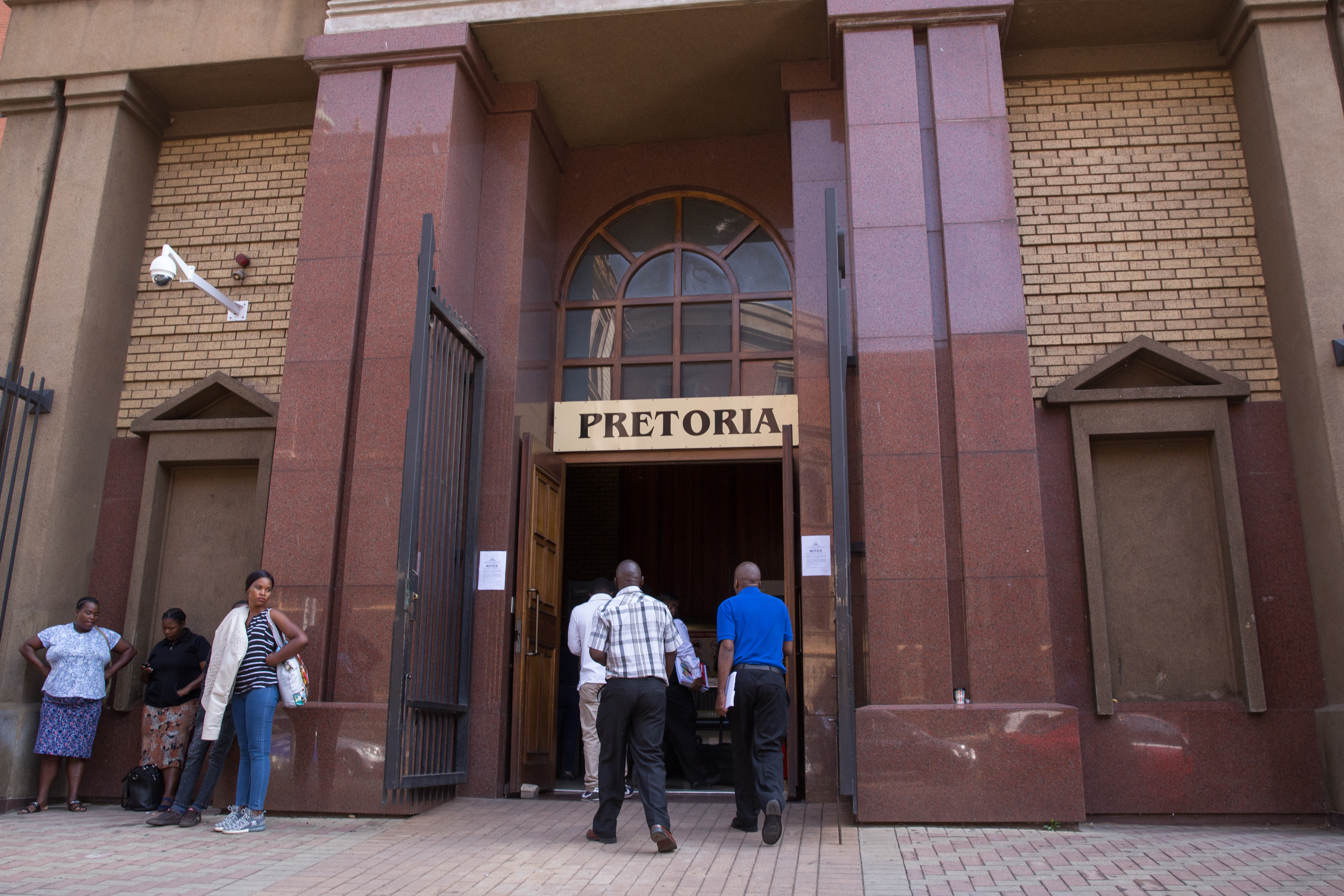
The Gauteng High Court is hearing a case on whether “baby saving boxes” are legal. Archive photo: Ashraf Hendricks
- The Gauteng High Court in Pretoria is hearing a case on whether “baby saving boxes” are legal. The Minister of Social Development is arguing that parents who place infants in them are guilty of abandonment under the Children’s Act.
- The Centre for Child Law argues the act is unconstitutional because it does not provide a safe, no-fault pathway for mothers to relinquish newborns.
- About 3,000 infants are unsafely abandoned each year, while the baby box system has reportedly saved 580 lives.
A mother who cannot keep her child alive does not abandon the child by placing them where someone else can care for them. Rather, it is an act of unconditional love; the choice that the child should live and prosper at the mother’s cost of never knowing them. This was the submission by the Centre for Child Law (CCL) in a landmark case, heard in the Gauteng High Court in Pretoria this week.
Baby Savers South Africa and Door of Hope Children’s Mission are in a legal dispute with the Minister of Social Development over the legality of “baby saving boxes”. The minister says parents who place their infants in the boxes are “dumping them” and committing a crime.
But the CCL, which is one of three organisations admitted as amicus curiae (friends of the court) in the case, says the issue goes beyond baby saving boxes.

In its written argument, it says mothers facing extreme conditions have across centuries and continents placed their infants at the doors of churches, monasteries, hospitals and fire stations.
Under the minister’s interpretation of the Children’s Act, this would also constitute the crime of abandonment.
The CCL argues that the minister says the government has provided various legal ways in which caregivers can give up their unwanted infants, but none had been identified.
About 3,000 infants were unsafely abandoned every year. The Baby Box system has reportedly saved about 580 lives to date.
“If the lawful pathways the department invoked had existed and been available, those figures would not be what they are,” the CCL says.
The CCL disagrees that the act, properly interpreted, criminalised the safe relinquishment of a child. But in any event, the act is inconsistent with the Constitution because it provides no pathway for safe relinquishment where a mother has concluded that she cannot care for her newborn.
What was missing, it argued, was a no-fault gateway through which a mother may, of her own accord, place her newborn within a protective system without the system needing to identify wrongdoing.
The CCL cited the examples of two single university students, who had been forced to go to court, after the department had persistently blocked their attempts to put their babies up for adoption.
The judge in that matter found the department’s conduct evidenced bias against mothers, “a deliberate stratagem to discriminate and punish” them for wanting their babies to be adopted.
Those mothers had used the only mechanism the act provided.
The CCL cited a host of rights for both mothers and children that are affected by the silence in the act.
The CCL said it supported the applicants’ bid for an order declaring that the act does not criminalise the safe relinquishment of a child.
The CCL further called on the court to declare the act to be inconsistent with the Constitution to the extent that it fails to provide a lawful pathway for the safe relinquishment of a child and that Parliament remedy the defect within 24 months.
The Centre for Human Rights (CHR), represented by Lawyers for Human Rights, was also admitted as an amicus curiae. It says the law must draw a clear distinction between unsafe abandonment and safe placement relinquishment, and that where a caregiver takes steps to ensure a child’s safety, the law should recognise that act for what it is, not a crime but protecting a life.
Criminalising relinquishment risks that caregivers, fearing arrest and prosecution, may resort to unsafe options putting the infant’s lives at risk.
In its written submissions, the third amicus, the Women’s Legal Centre Trust, said on reading the affidavits filed in the matter, it was glaringly apparent that women and young girls were criminalised while men were let off the hook. Even though the provision (in the act) does not mention women “its real world-impact is borne almost entirely by them”. That constituted indirect discrimination.
It also punished women for the state’s own failures to provide adequate social services, transforming systematic problems into individual blame.
Minister calls baby saving boxes “absurd”
Lawyers for the minister said in written argument, “Whilst this is not a morality court, the temptation to say that what is sought by the Baby Savers is immoral cannot be avoided because they facilitate and promote the dumping of infants into unattended boxes hoping that each of every dumped infant would be found alive.
“This is unlawful and cannot on any stretch of the Constitution be held to be in the best interests of infants, their mothers and the public interest. There is no basis to suggest that the public interest benefits from the dumping of infants.
“A court order to that effect would send shock waves throughout the whole of the Republic because the Constitution cannot be read to authorise such an absurd situation.”
They said a mother was entitled upfront to inform the authorities that she wished to relinquish the infant in hospital after which the child-care system would take over. The fact that this did not occur in certain instances was no reason to change the law.
They called for the application to be dismissed, with costs.
The matter was argued this week before Judges Ronel Tolmay, Brenda Neukircher and Nkosigiphile Mazibuko. Judgment is expected to be reserved.
Support independent journalism
Donate using Payfast

Don't miss out on the latest news
We respect your privacy, and promise we won't spam you.
Next: Why rail matters for Cape Town’s traffic congestion
Previous: Sunday World journalists were offered money to bring in advertising
© 2026 GroundUp. This article is published under the GroundUp Republication Licence Version 1.0. Email [email protected] to request permission to republish.