
Stellenbosch residents oppose new luxury estate
Jamestown strawberry farmers fear the loss of a rich heritage
 Add GroundUp on Google
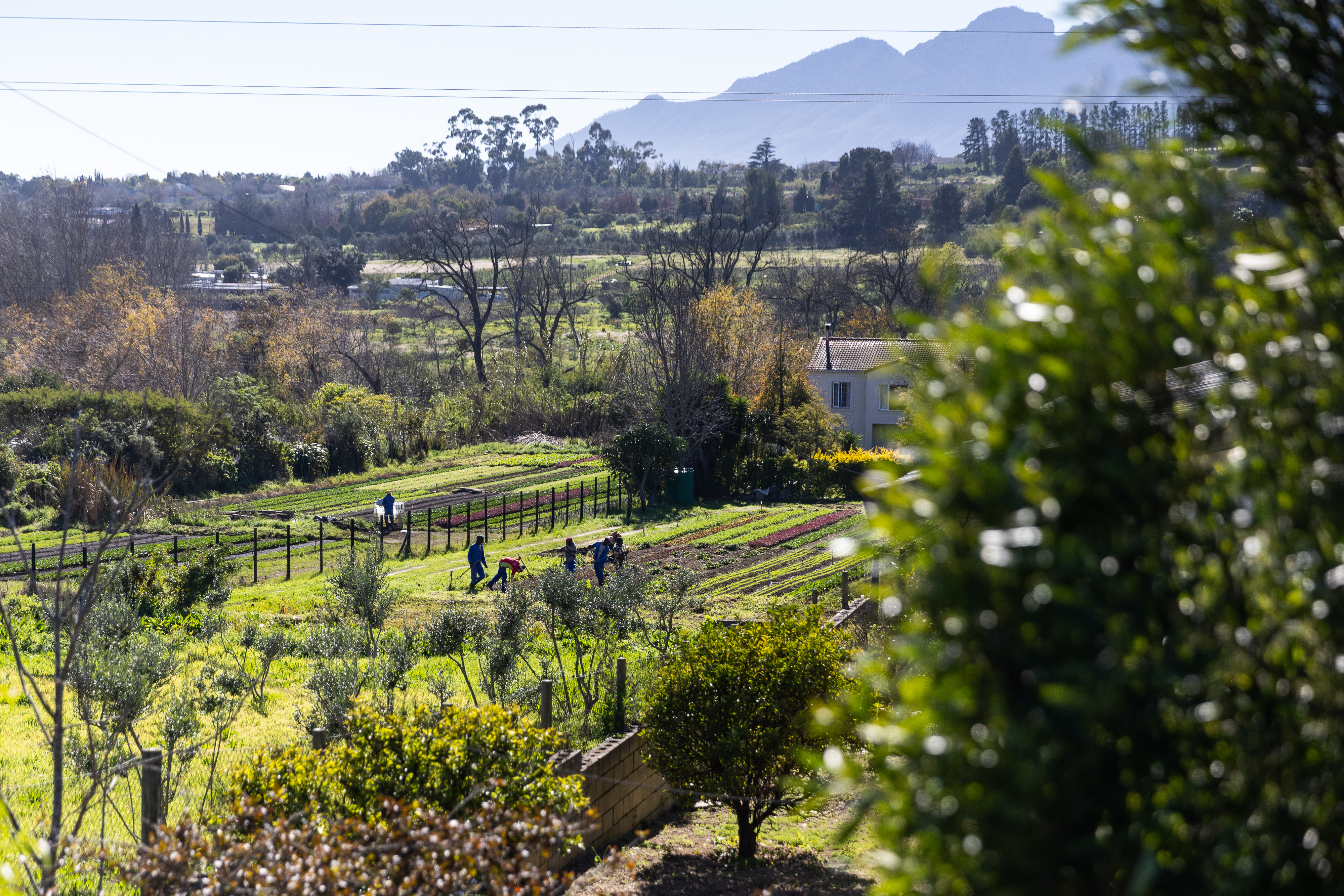
About 40 smallholder farmers depend on a historic “leivoor” to irrigate their crops. Residents are concerned that a new development may threaten this water supply.
- Jamestown has historically been home to small-scale strawberry farmers — a heritage that is celebrated at the annual Strawberry Festival.
- But the town’s proximity to Stellenbosch means the area is popular among developers.
- Some residents have opposed a development application for the Blaauwbosch Estate.
Residents of Jamestown, a quiet town on the outskirts of Stellenbosch, are concerned about the impact new developments may have on the community’s character and heritage.
Some families have been in Jamestown for generations, farming strawberries on small farms. This heritage is celebrated with the annual Strawberry Festival, which is being revived next year after a hiatus forced by the covid pandemic.
The area’s proximity to Stellenbosch has made it attractive to developers. Aan De Weber, a gated estate with 102 houses, was built on the edge of Jamestown in 2014, and a new development is planned on the urban edge, which some residents have opposed.
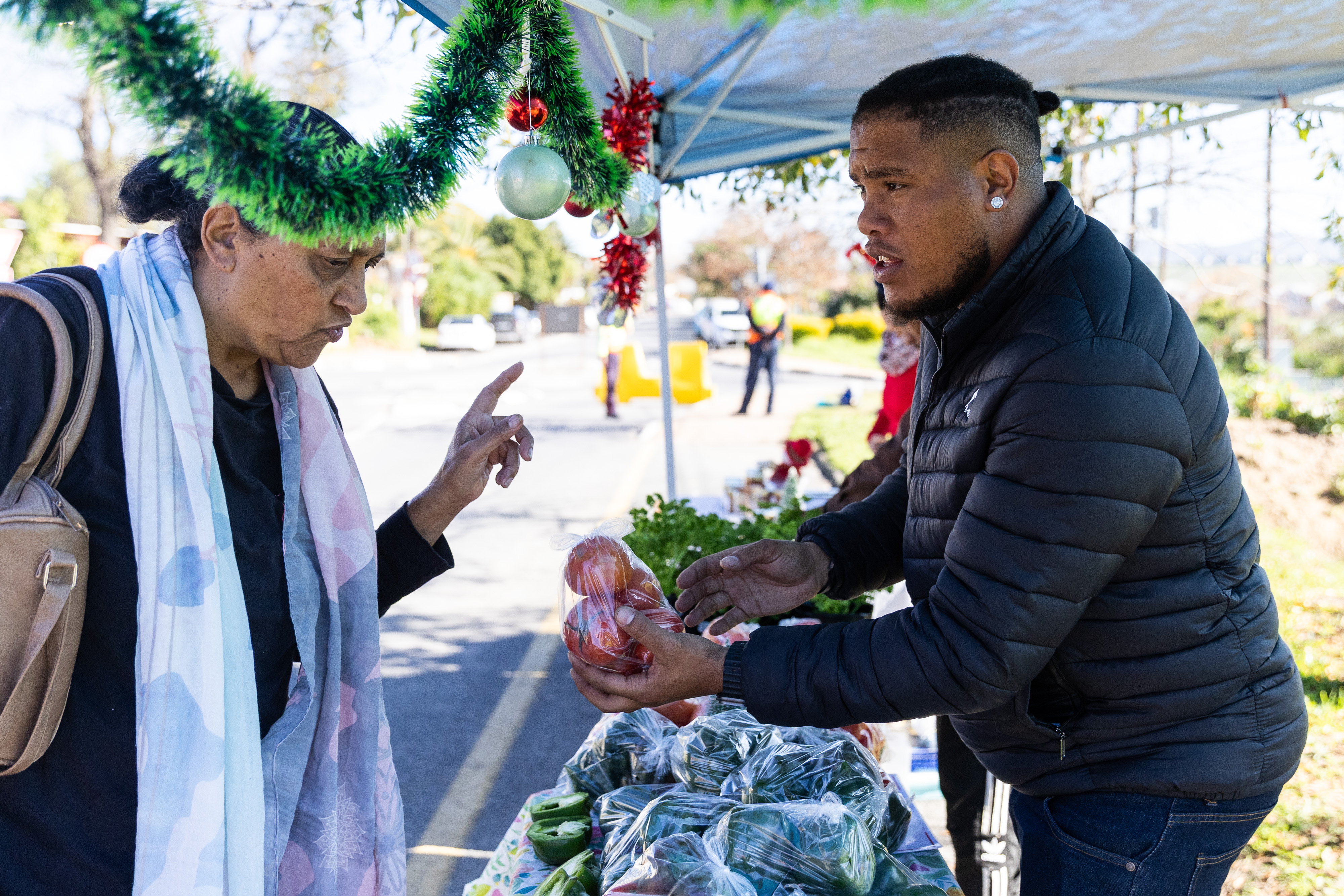
Anrico Kerspuy sells fresh produce at the Jamestown Street Market, grown at the local high school for its agricultural programme.
A monthly street market brings together neighbours and local farmers offering fresh vegetables and herbs, homemade food, and other handmade goods.
“We wanted to give the people who are planting an opportunity to showcase their produce,” said Dale Simons, chair of the Jamestown Trust, which organises the market and the annual festival. “To create awareness that we have an agricultural heritage that is still alive.”

Simons said the market has been popular with residents. “We learned that people are after community, engaging, and connecting,” he said.
The trust was set up “to make Jamestown safe, healthy, and to protect our heritage,” he said.
“A lot of gated communities are going up, around Stellenbosch, and saying this is the better alternative — it’s not,” said Simons.
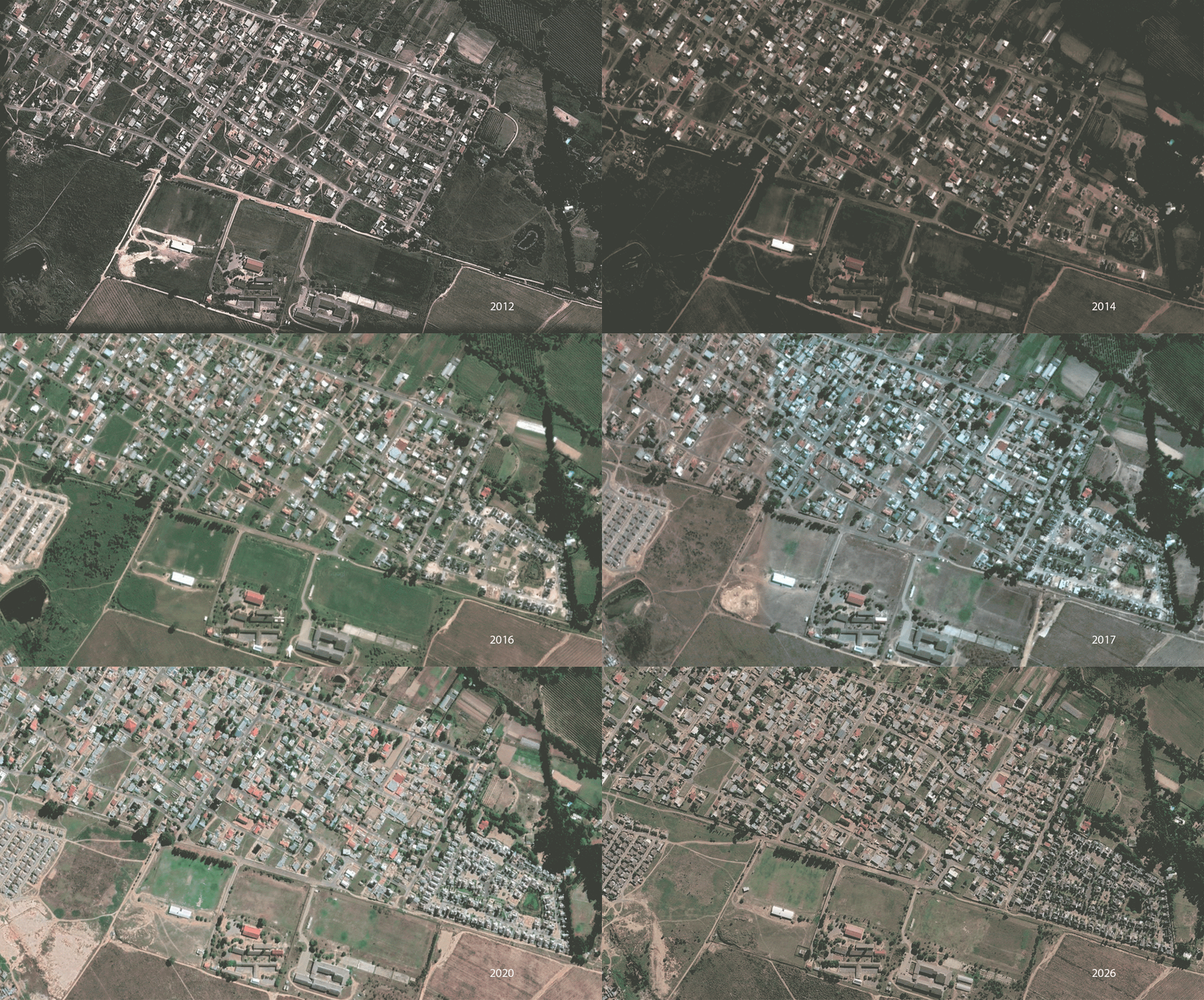
Satellite imagery shows how Jamestown has changed since 2012. The Aan de Weber estate was built in the bottom right corner. The new Blaauwklip Estate is planned just above it. Images from Google Earth.
Jamestown resident Amy Levendal, whose family has lived and farmed in Jamestown for generations, said it is important that the community remains both “close-knit” and “diverse”, and that new developments should not change the community’s character.
“A lot of changes are being made. We don’t want to lose that culture and the essence of the community,” she said.
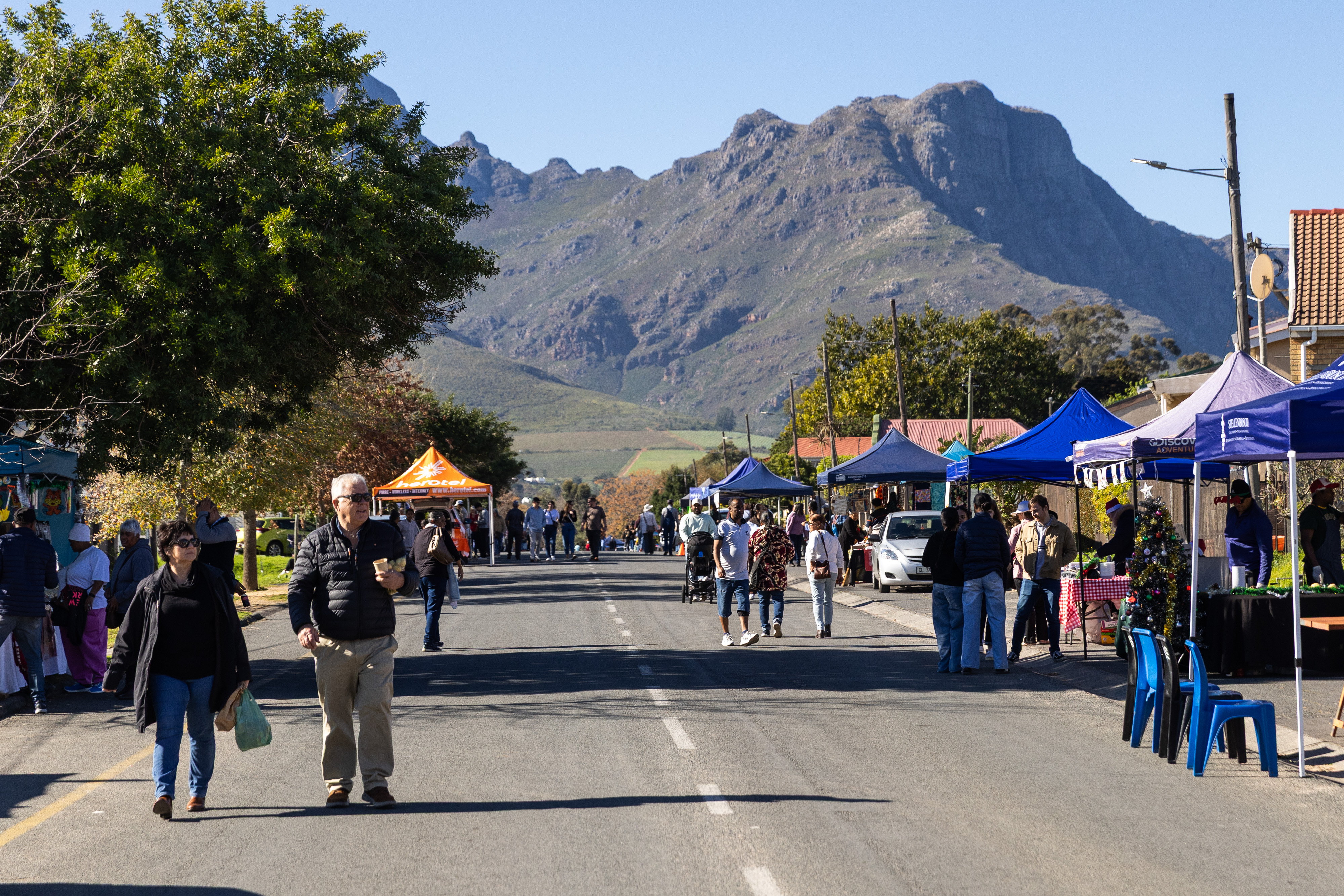
The Jamestown Street Market takes place on the last Saturday of every month.
Over generations, members of the same family purchased several properties in a street, and today they still live next to or opposite each other. This has started to change as property becomes more attractive to outsiders.
Residents are worried about plans for a new gated estate, which is set to be built along an irrigation furrow (“leivoor”) that supplies water to about 40 small-scale farms.
“If they put [the furrow] to a stop in any way, all these farmers will be without water,” said Jamestown resident René van Rooyen.
The development application by First Plan Town and Regional Planners is for the Blaauwbosch Estate to be subdivided into 19 portions, including 15 residential houses, two agricultural zones for “rural living”, and two private open spaces.
According to the application the development “is not expected to have a negative impact on heritage resources, as the site does not contain any structures or features of cultural or historical significance”.
The development would be designed in “harmony with the character of Jamestown and the retention of two agriculture/rural portions help preserve the area’s rural landscape, which forms part of the broader cultural setting”.
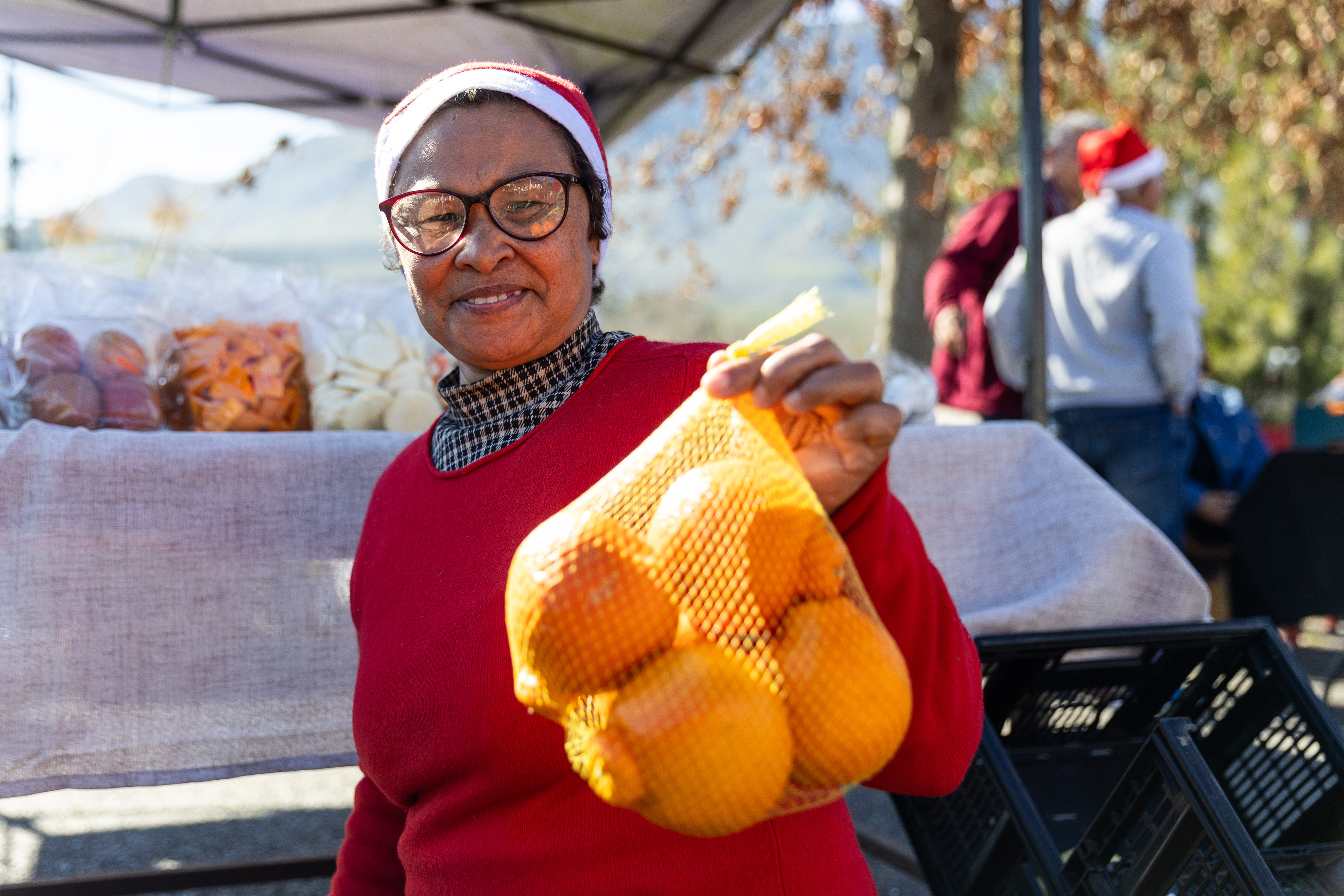
Small-scale farmer Naomi Linders sells fresh produce like herbs, vegetables and fruit at the Jamestown Street market.
The assessment notes that the furrow crosses the two rural plots in the development, and that it is “protected in terms of the Architectural/Design Guidelines and Site/Building Control Plan”.
But in a submission objecting to the development, Van Rooyen said the application did not give a “clear plan” on how it would mitigate sewage or stormwater contamination of the leivoor.
Van Rooyen said the concern is that a stormwater attenuation pond and sewer pump station will be built next to the leivoor.
“Any disruption, however small, could have devastating financial consequences for the river-erf farmers who depend on this water,” she said in the submission.
The public participation period for the application closed on 27 July. Stellenbosch municipality spokesperson Stuart Grobbelaar said the municipality would “carefully consider” heritage matters and submissions from residents before a decision is made.
“The municipality manages all land use and development applications strictly in accordance with the applicable legislation and prescribed statutory processes. These processes require extensive public participation and provide affected parties and stakeholders with ample opportunity to submit comments, objections or representations,” said Grobbelaar.
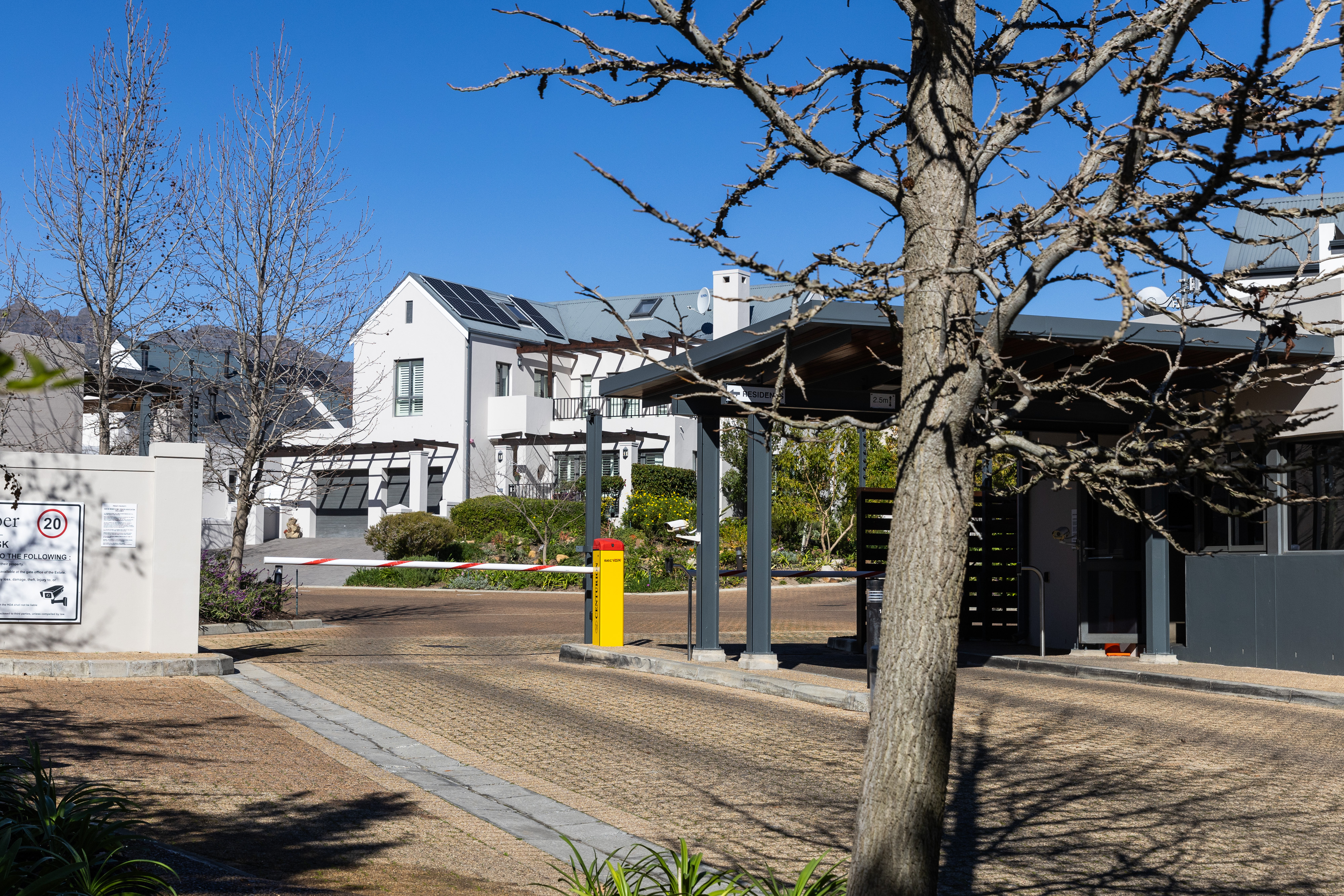
The Aan de Weber Estate was built on the urban edge of Jamestown in 2014.
Support independent journalism
Donate using Payfast

Don't miss out on the latest news
We respect your privacy, and promise we won't spam you.
Letters
© 2026 GroundUp. This article is published under the GroundUp Republication Licence Version 1.0. Email [email protected] to request permission to republish.