
Housing activist group wants to bid for R87-million property
The City of Cape Town has announced that the old Woodstock hospital, which has been occupied by hundreds of people since 2017, will be sold
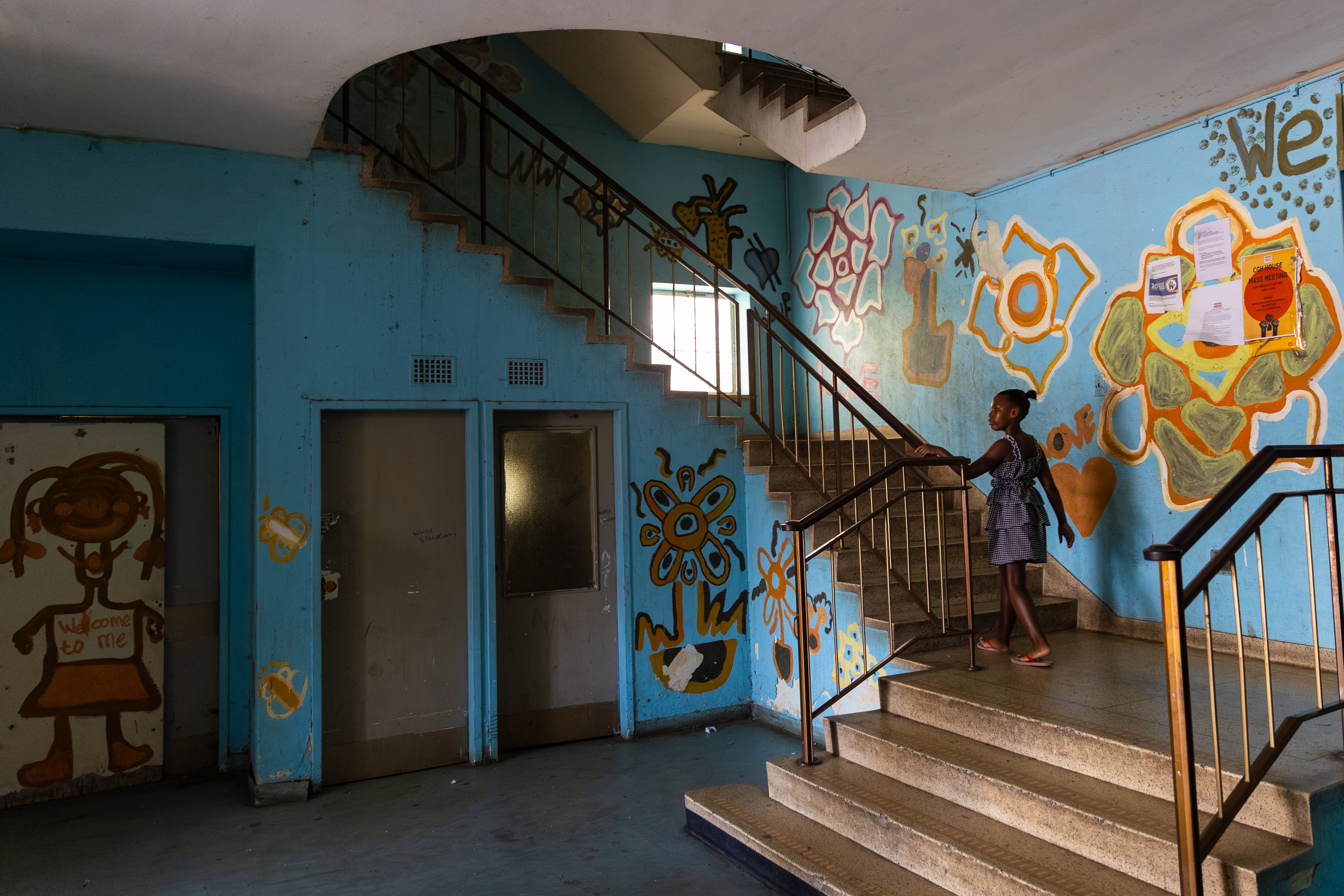
Inside the old Woodstock Hospital building, where occupiers have been living, some since 2017. They renamed it Cissie Gool House. Housing movement Reclaim the City has announced plans to put in a bid to develop the site. Photos: Ashraf Hendricks
- Housing movement Reclaim the City has confirmed its intention to put in a bid for the old Woodstock Hospital.
- The move follows an announcement by the City of Cape Town that the site is to be sold.
- Reclaim the City hopes to attract investment by putting out a prospectus.
- The City has valued the property at R87-million.
Housing movement Reclaim the City has confirmed that it is preparing to bid for the occupied Woodstock Hospital building. Leaders of the movement say they are in talks with architects and surveyors.
This follows a decision by the City of Cape Town council to sell the site for the development of at least 500 housing units, including affordable housing. The City has valued the property at R87-million.
The former hospital has been occupied since 2017. Activists moved into the then vacant, government-owned building to highlight the need for affordable housing in the inner city. Residents renamed the site Cissie Gool House.
Many of the residents were evicted from their homes in surrounding suburbs, such as Woodstock, Salt River and Observatory, which have undergone rapid gentrification.
We recently visited the people living in the building to find out how life there has been.
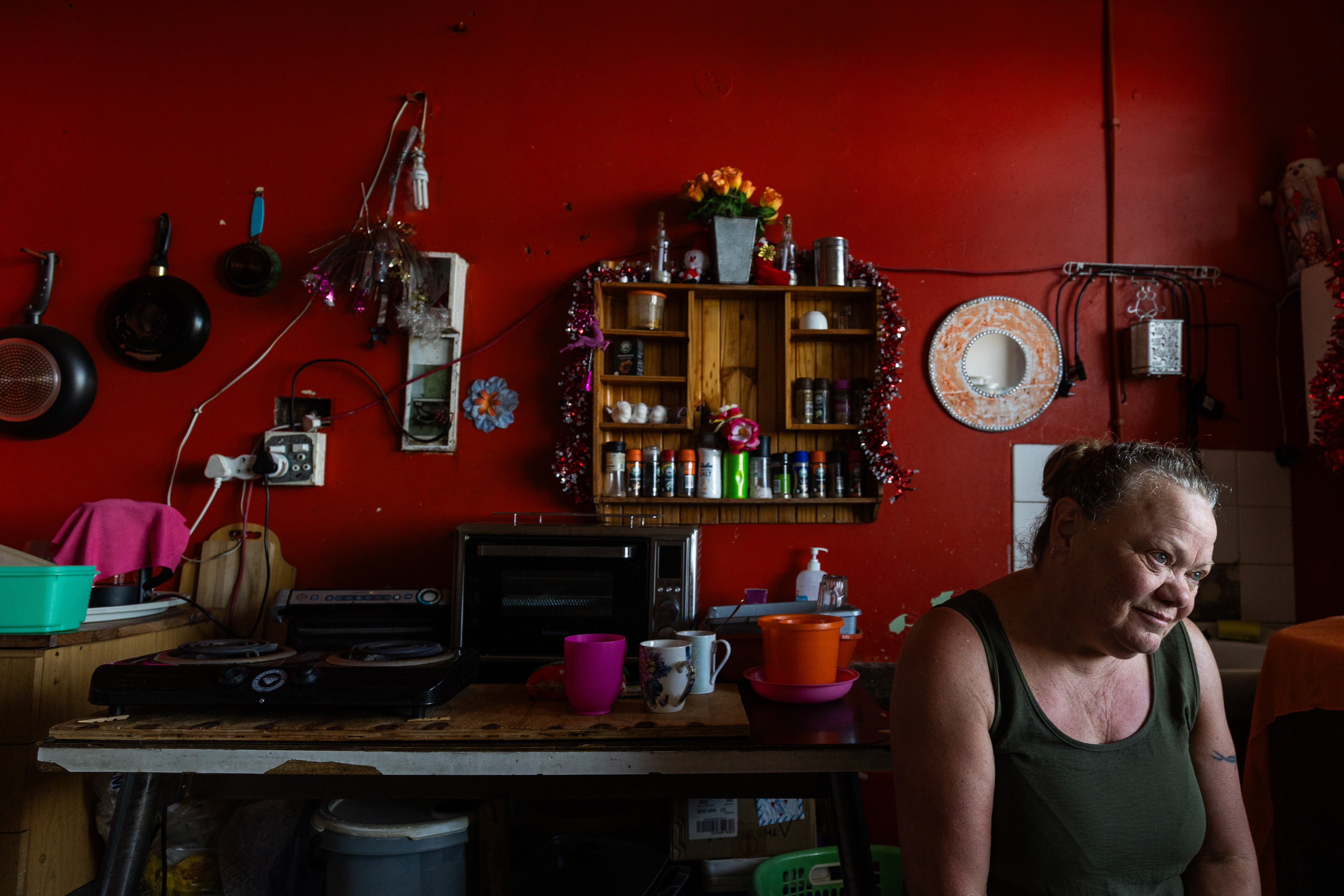
Occupier Amanda Gericke says she is particularly concerned about the pensioners living at the old Woodstock Hospital. Gericke herself is turning 60 next year. “This became my home,” she says.
For people, not profit
While discussions are still underway, Reclaim the City says it has a vision for developing the site. It wants no evictions, affordable long-term rentals, and a project that is “co-designed” with the current residents to ensure it is well-managed, maintained, safe for women and children, and suitable for communal living.
Reclaim the City says it hopes to attract investment from a range of social partners and philanthropists. To run the project, the movement says it would need to establish a legal entity to manage the redevelopment and the site, should its bid be successful.
One of the movement’s leaders, Karen Hendricks, said that if the building were sold to a social housing company, few of the current residents would qualify for units.
“It’s a concern for us,” she said. “Occupiers have been managing the building for the past eight years. Occupiers know best how to manage the space.”
Hendricks said any tender process for the sale of the site should include the current residents.
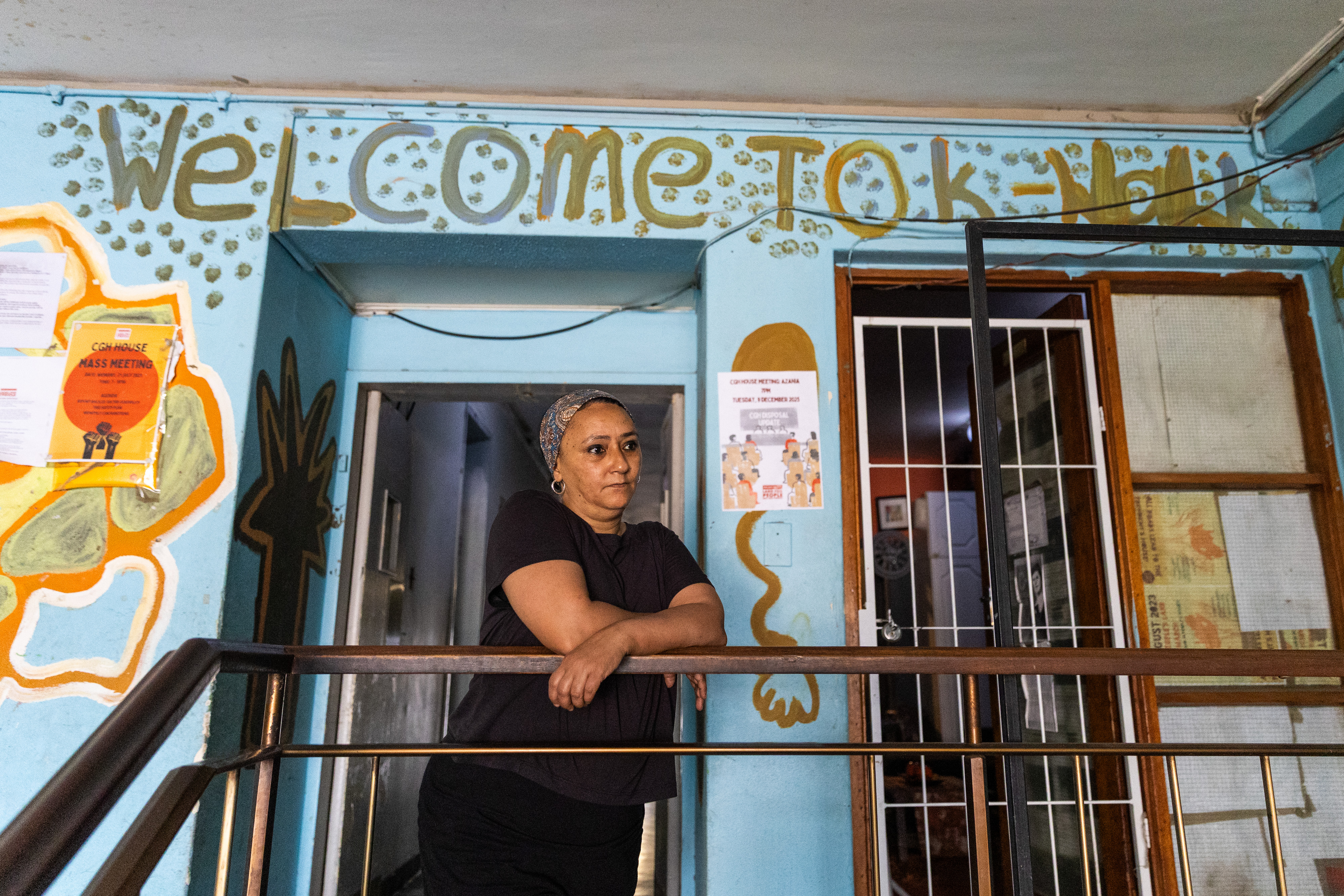
Karen Hendricks, a Reclaim the City leader, says any tender process for the sale of the site should include the current residents.
Intent on staying
Jameelah Davids, 56, has been living in the Woodstock occupation for eight years. She worries that a different developer would disregard the existing residents. “A property developer is not going to come in here and consider the people. They are going to look to cash in. They do not care about us as people,” she said.
Davids moved to the occupation with her son when he was seven. He is now a teenager. He was diagnosed with autism and attends the nearby Alpha School for Learners with Autism. “If I lived anywhere else, I would not have been able to get him that kind of help. In one year, he learned to read and write at that school. If I had not been here, he would not have flourished the way he has,” she said.
According to Hendricks, the occupation, while not perfect, had gone some way to unify a community fractured by gentrification. “Cissie Gool House captures the social heritage of Woodstock … We brought the communities together again,” said Hendricks.
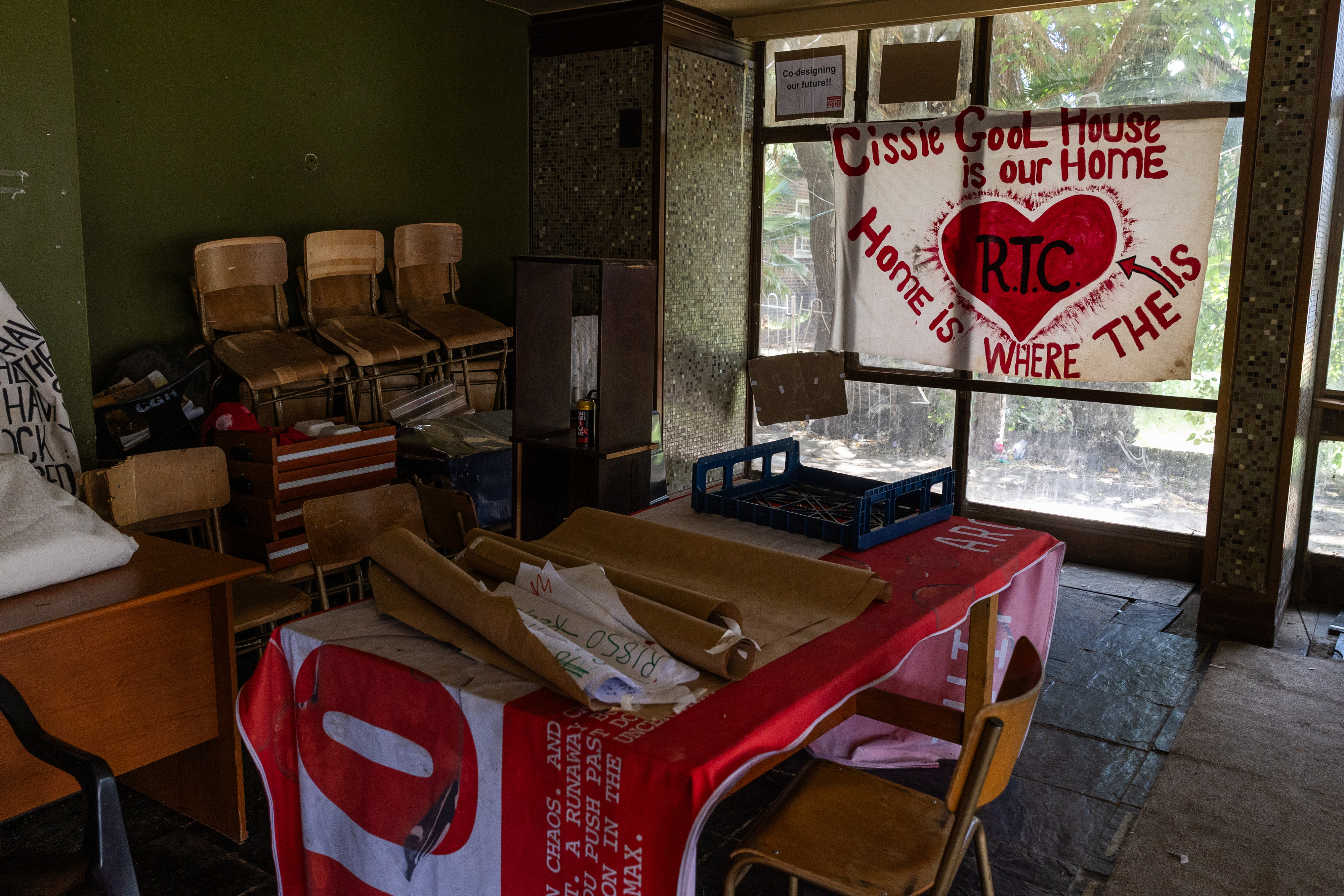
One of the convening spaces in what occupiers have called Cissie Gool House.
To run the occupation with 364 households and over 900 people, Reclaim the City has a governance structure with monitors who report issues that arise to the leadership. Occupiers pay R100 per month towards maintaining the building.
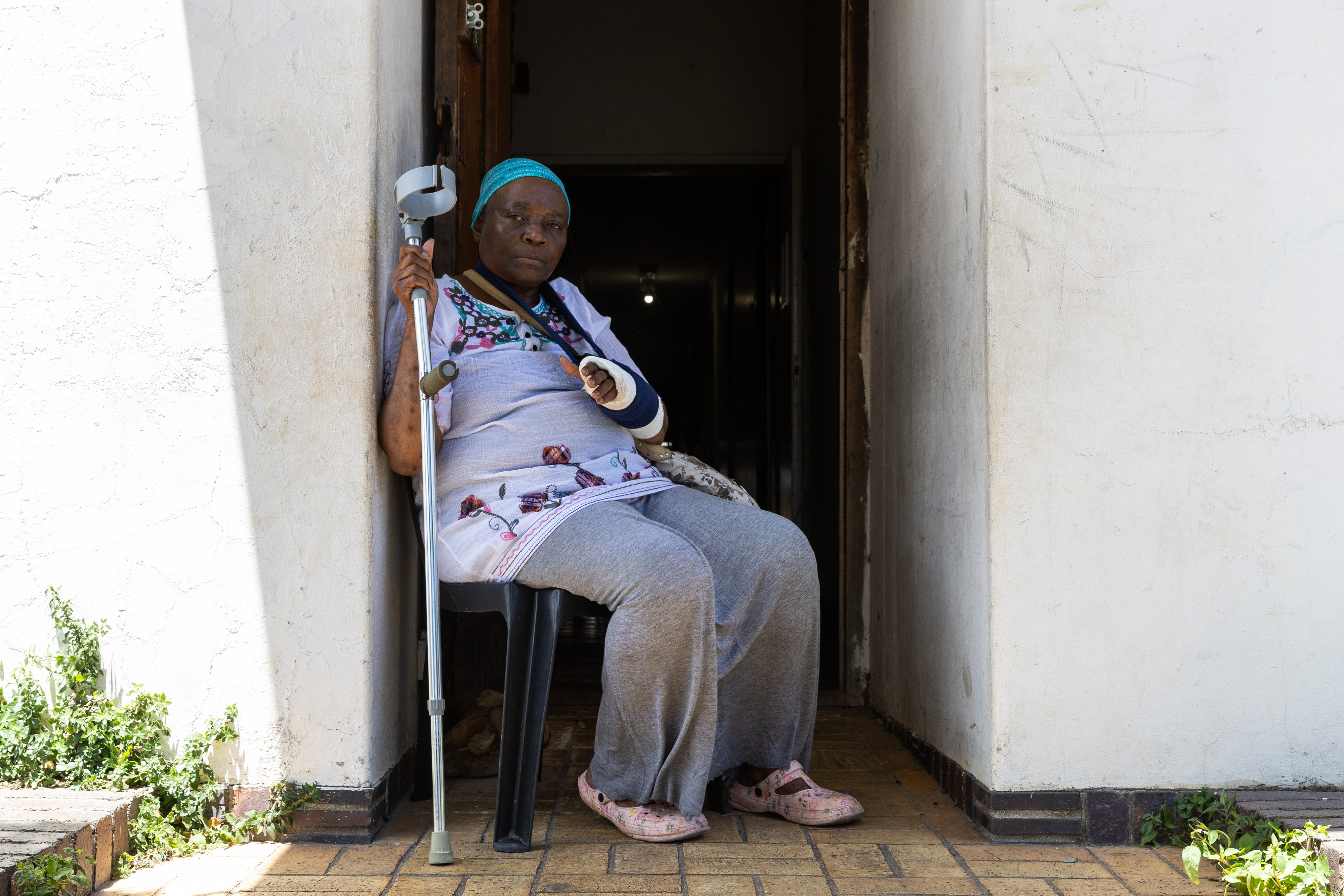
Rosemary Damons moved into the building in 2018 after being evicted “many times”. She says they have worked very hard to clean the space and make it their own.
Resident Amanda Gericke said she joined the occupation after her landlord hiked her rent from R3,000 a month to R12,000.
“I feel that it’s very important for us to fix up this building, paint, and make it look nice, so the City can see that we can manage this place. We don’t want anybody to leave who has been living here for years.”
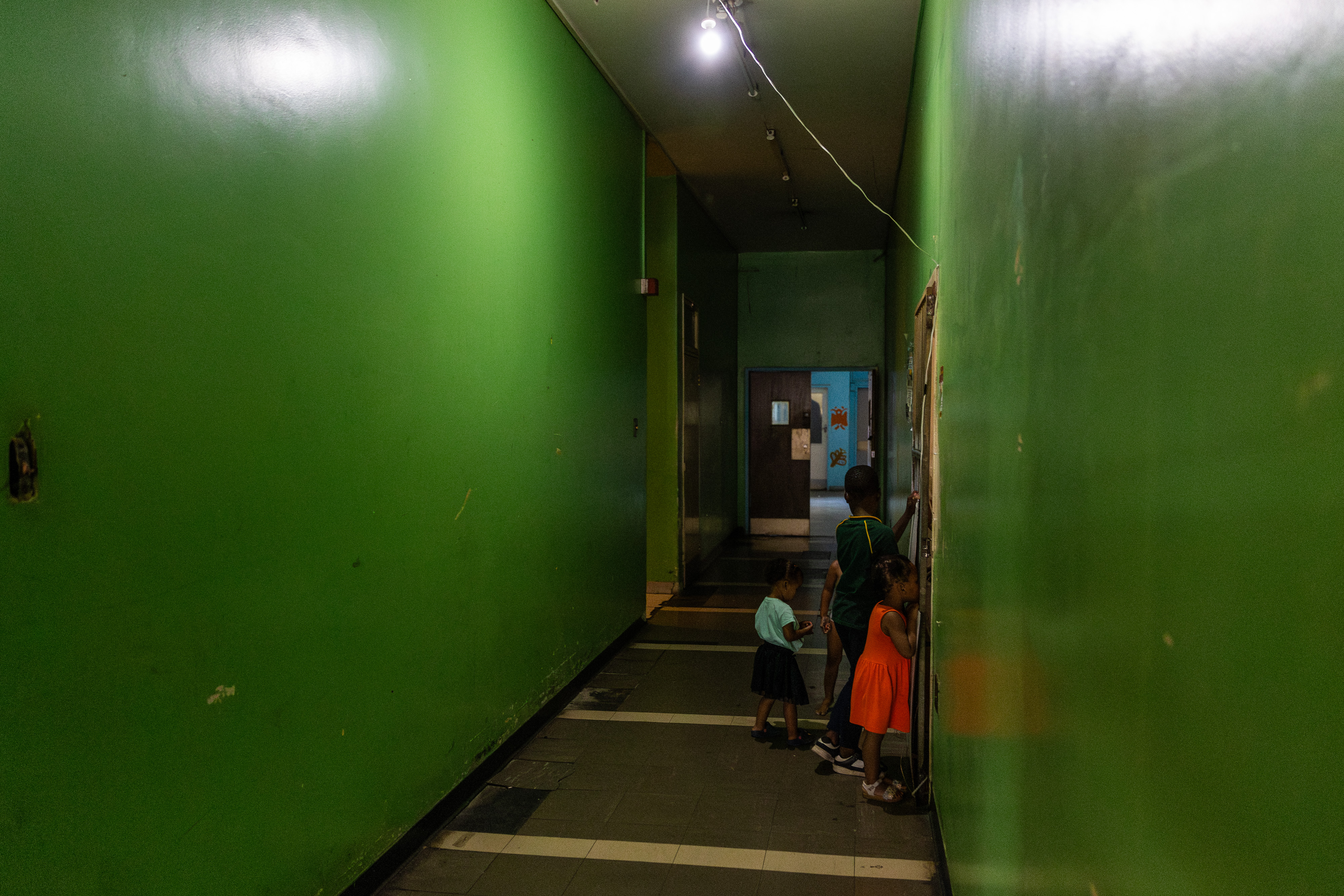
According to Reclaim the City, more than 900 people live in the old Woodstock Hospital building. Many of its residents faced eviction and homelessness from surrounding areas.
In a statement earlier this month, the City’s Mayco member for human settlements, Carl Pophaim, said the City envisions the new development to be a mixed-use model.
He said the City continues “to look at feasible options for the Woodstock Hospital occupiers”. A factual analysis of the status of each resident was needed to determine which human settlements programme they qualified for.
Pophaim said there had been “immense progress” in the release of land between July 2022 and August 2025. These included Salt River Market, Fruit and Veg, Newmarket, and Pickwick properties.
“These alone are expected to deliver over 4,500 residential opportunities, including affordable housing units. The appointed developers are taking the properties through various planning and funding application processes to ensure the realisation of the planned developments,” he said.
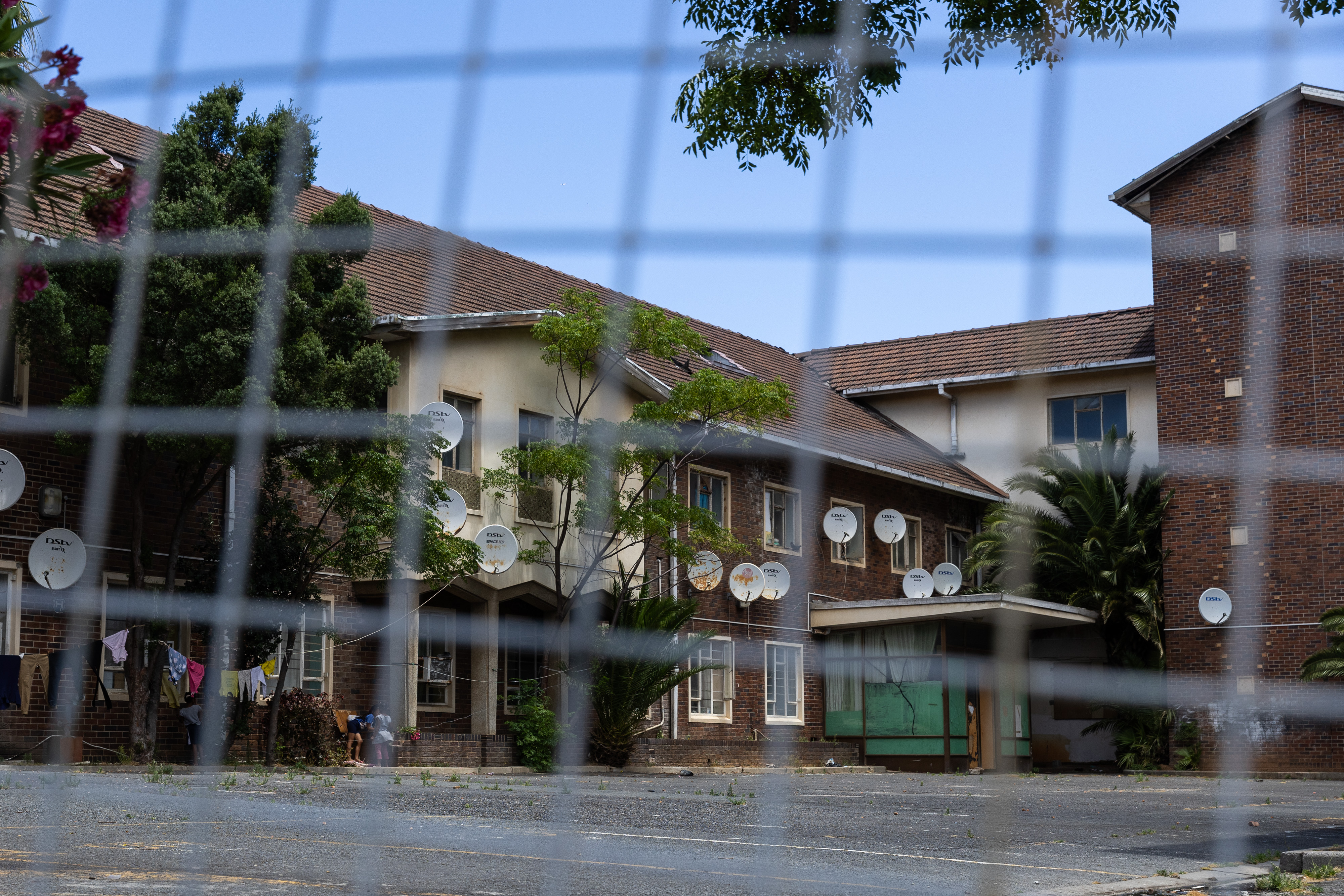
The City of Cape Town has valued the Woodstock Hospital site at R87-million. More details on the sale process are expected early next year.
Support independent journalism
Donate using Payfast

Don't miss out on the latest news
We respect your privacy, and promise we won't spam you.
Next: How a cycling group is trying to make Cape Town’s roads safer
Previous: SA doctor in the firing line for stand on Palestine
© 2025 GroundUp. This article is licensed under a Creative Commons Attribution-NoDerivatives 4.0 International License.
You may republish this article, so long as you credit the authors and GroundUp, and do not change the text. Please include a link back to the original article.
We put an invisible pixel in the article so that we can count traffic to republishers. All analytics tools are solely on our servers. We do not give our logs to any third party. Logs are deleted after two weeks. We do not use any IP address identifying information except to count regional traffic. We are solely interested in counting hits, not tracking users. If you republish, please do not delete the invisible pixel.