
Judiciary fails to report on late judgments
Most recent list published, October 2025, reflected the status of late judgments from nearly a year ago.
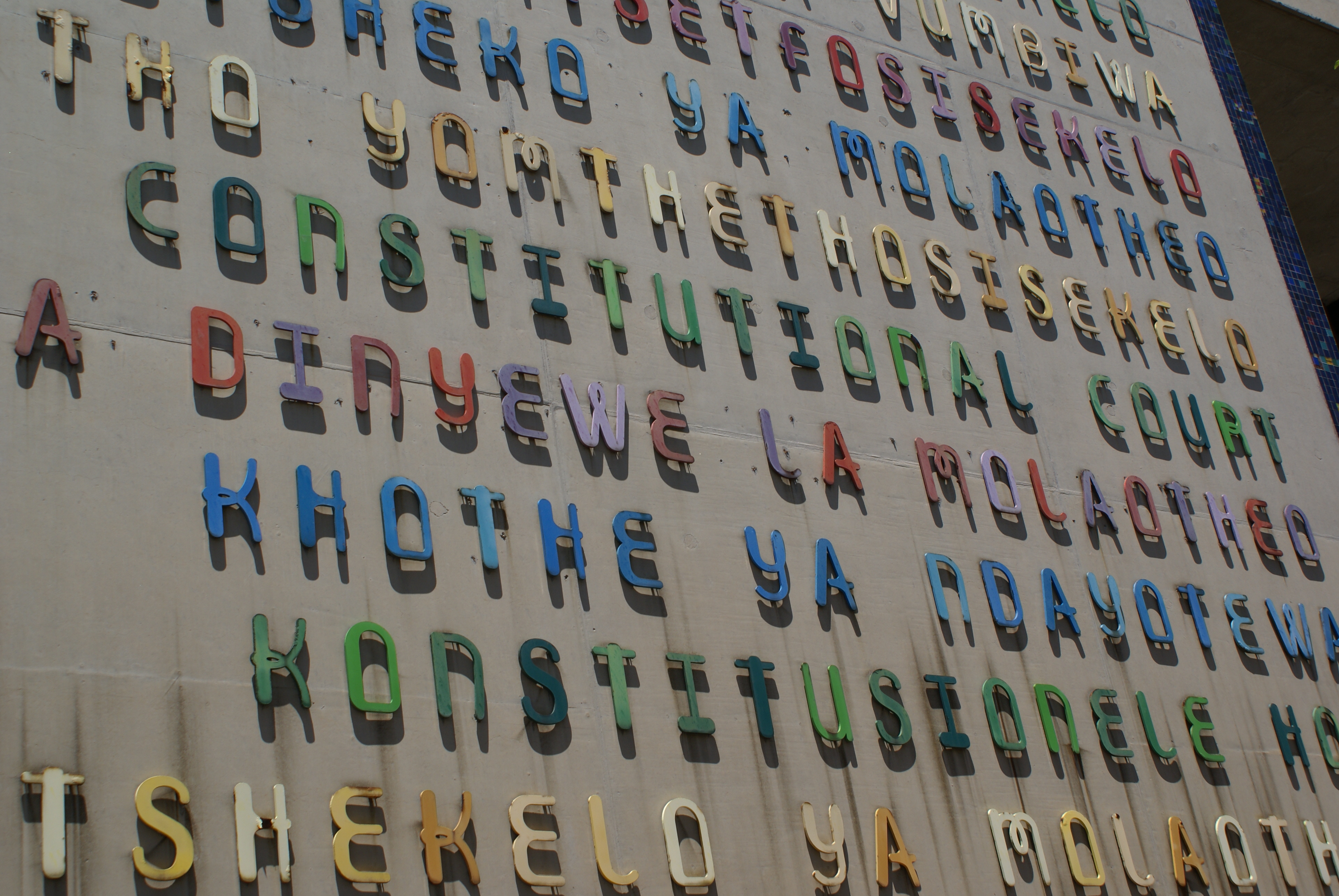
Archive photo taken at the Constitutional Court: Ciaran Ryan
It has been more than five months since the last reserved judgments list was published. The most recent list reflects the status of late judgments from the second term of 2025 – nearly a year ago. The list, published on 9 October 2025 on the judiciary’s website, covered the start of term 2 in 2025, which began on 14 April or 1 May, depending on the court.
Instead of delivering judgment immediately or soon after a hearing or trial finishes, a court may reserve judgment. Judicial norms and standards state that judgments should be handed down within three months. In its reports, GroundUp has used a more lenient six-month benchmark. The Office of the Chief Justice (OCJ) has also recently used a six-month benchmark to determine whether an outstanding judgment is late.

GroundUp has been publishing reports on late judgments since 2017. We requested an updated list of late judgments from the OCJ on 12 December 2025. At the time, the OCJ said the reserved judgment report “is currently in progress. It will be published once all required processes have been finalised.”
GroundUp sent follow-up requests on 3, 9 and 16 March but received no response.
Reserved judgments reports were previously published three or four times a year. But publication of the reports has become irregular.
The first term for all courts ends at the end of March this year, yet the lists for the third and fourth terms of last year have still not been published.
In the last report, 279 judgments had been outstanding nationally for six months or more, out of 1,568 judgments in total.
The Johannesburg Labour Court had the highest number of late judgments, with 53 matters outstanding for longer than six months. This was followed by the Gauteng High Court in Pretoria and the Durban Labour Court, with 42 and 26 late judgments respectively.
Without updated reports, it is impossible to determine whether the number of late judgments across the courts has improved or worsened.
Support independent journalism
Donate using Payfast

Don't miss out on the latest news
We respect your privacy, and promise we won't spam you.
© 2026 GroundUp. This article is licensed under a Creative Commons Attribution-NoDerivatives 4.0 International License.
You may republish this article, so long as you credit the authors and GroundUp, and do not change the text. Please include a link back to the original article.
We put an invisible pixel in the article so that we can count traffic to republishers. All analytics tools are solely on our servers. We do not give our logs to any third party. Logs are deleted after two weeks. We do not use any IP address identifying information except to count regional traffic. We are solely interested in counting hits, not tracking users. If you republish, please do not delete the invisible pixel.