
Sewage treatment collapsing in Tshwane
The Department of Water and Sanitation has given the City 60 days from 31 March to come up with a plan
 Add GroundUp on Google
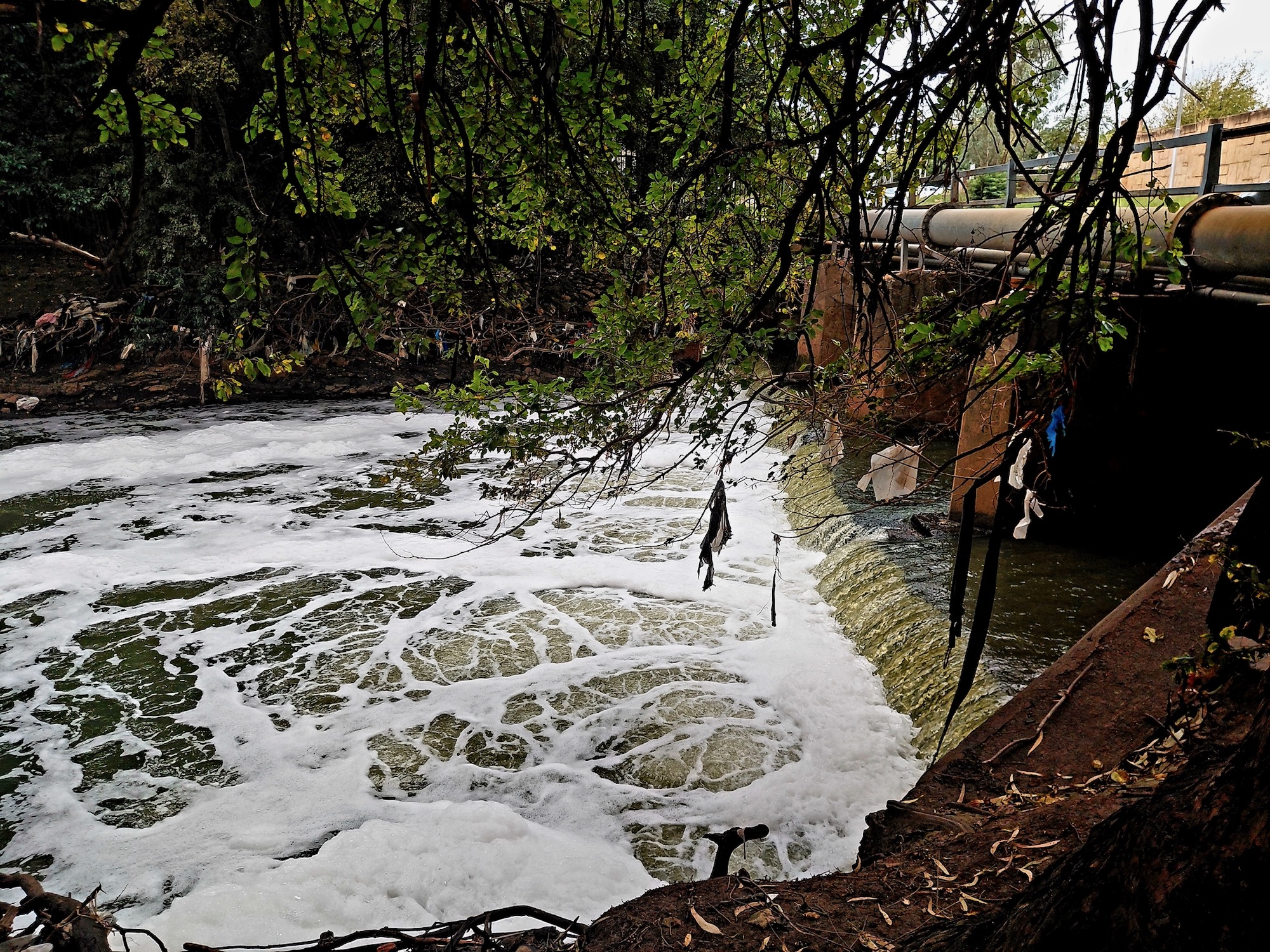
Tshwane’s Green Drop waste water treatment score has fallen from 82% in 2013 to 33.8%, just above the threshold that triggers regulatory intervention. Photos: Seth Thorne
- Sewage treatment plants are collapsing in Tshwane.
- Six of the city’s 16 sewage plants scored 30% or below in a report by the Department of Water and Sanitation, triggering regulatory intervention.
- The Department has now given the City of Tshwane 60 days from 31 March to submit a plan to fix the problem.
- The report reveals an alarming average microbiological compliance score of just 4% for the city.
The Department of Water and Sanitation has given the City of Tshwane 60 days from 31 March to say what it plans to do to fix collapsing sewage treatment plants.
The department’s 2025 Green Drop Report reveals a sanitation system in steep decline, placing communities and ecosystems at risk.
Scores of 90% are considered excellent, while scores below 31% are rated critical and trigger regulatory intervention. Once a strong performer with a score of 82% in 2013, Tshwane’s score has plunged to under 34%, placing the metro firmly in the “poor performance” category.
 Once a strong performer with a score of 82% in 2013, Tshwane’s score has plunged to under 34%, placing the metro firmly in the “poor performance” category.
As a result, the department has placed the municipality under regulatory surveillance in accordance with the Water Services Act, a status that signifies a “systemic operational, governance, and compliance failure” requiring urgent stabilisation.
The City has to submit a detailed plan outlining specific measures and time-bound milestones to restore functionality and compliance.
The report, published by the department on 31 March 2026, is the country’s main audit of waste water services. It evaluates operational capacity, environmental performance, financial management, technical skills, and compliance with effluent and sludge standards.
Tarryn Johnston, a water activist and director of environmental services firm Living Wisdom Strategic Solutions, says: “The score is not a revelation; it is an overdue acknowledgement of a collapse that has been visible, measurable, and escalating in real time.”
Six treatment plants disqualified
The report reveals an alarming average microbiological compliance score of just 4% for Tshwane’s sewage treatment works. None of the 16 systems met the satisfactory threshold and 15 fell below the critical 30% level, putting public health, rivers, groundwater, ecosystems, and agriculture at risk.
Six of Tshwane’s 16 waste water treatment works had a general score of 30% or below.
Bronkhorstspruit (Godrich) dropped from 61% in 2021 to 30%, Ekangala from 55% to just under 23%, Rooiwal Eastern Works fell from 69% to 30%, Rooiwal Northern Works from 67% to under 24%, Rietgat dropped from 63% to 28.5% and Klipgat stayed more or less the same, at 30% compared to 29%.
These plants triggered penalties due to exceeding capacity, persistent effluent failures, and non-compliance with regulatory directives.
Eight other treatment works scored between 30% and 50%, all in decline since 2021. Zeekoegat fell from 61% to 44%, Sunderland Ridge from 66% to 35%, Babelegi from 56% to 35%, Baviaanspoort from 57% to just under 35%, Sandspruit from 54% to just under 35%, Rayton from 49% to 32.5%, Refilwe from 53% to just under 32%, and Temba from 64% to about 32%.
The department said a criminal case had been lodged with the National Prosecuting Authority (NPA) for prosecution and an investigation involving SAPS was underway.
Capacity and other challenges
Tshwane reported using only 103,040 kL/day of its 506,400 kL/day wastewater treatment capacity. But this is misleading as 14 of the 16 plants did not submit flow data, and much sewage may be leaking or spilling into the environment before reaching treatment works.
Among the few plants that did submit data, Daspoort is operating under severe strain at more than double its design capacity.
The City of Tshwane was flagged for poor management, which complicates risk assessment and planning, as it was unable to provide the total length of its sewer network.
Long-term under-investment, theft and vandalism have contributed to recurring pollution incidents. Engineering capacity is “significantly below” requirements, with less than three qualified staff per plant on average, compared to more than eight in Johannesburg. Operational staff training levels are among the lowest in the province.
Financial mismanagement has exacerbated the situation, with the metro underspending its operations and maintenance budget by more than 20%.
DWS has classified Tshwane as a “regulatory concern”, noting that past investment has not translated into improved performance or accountability.
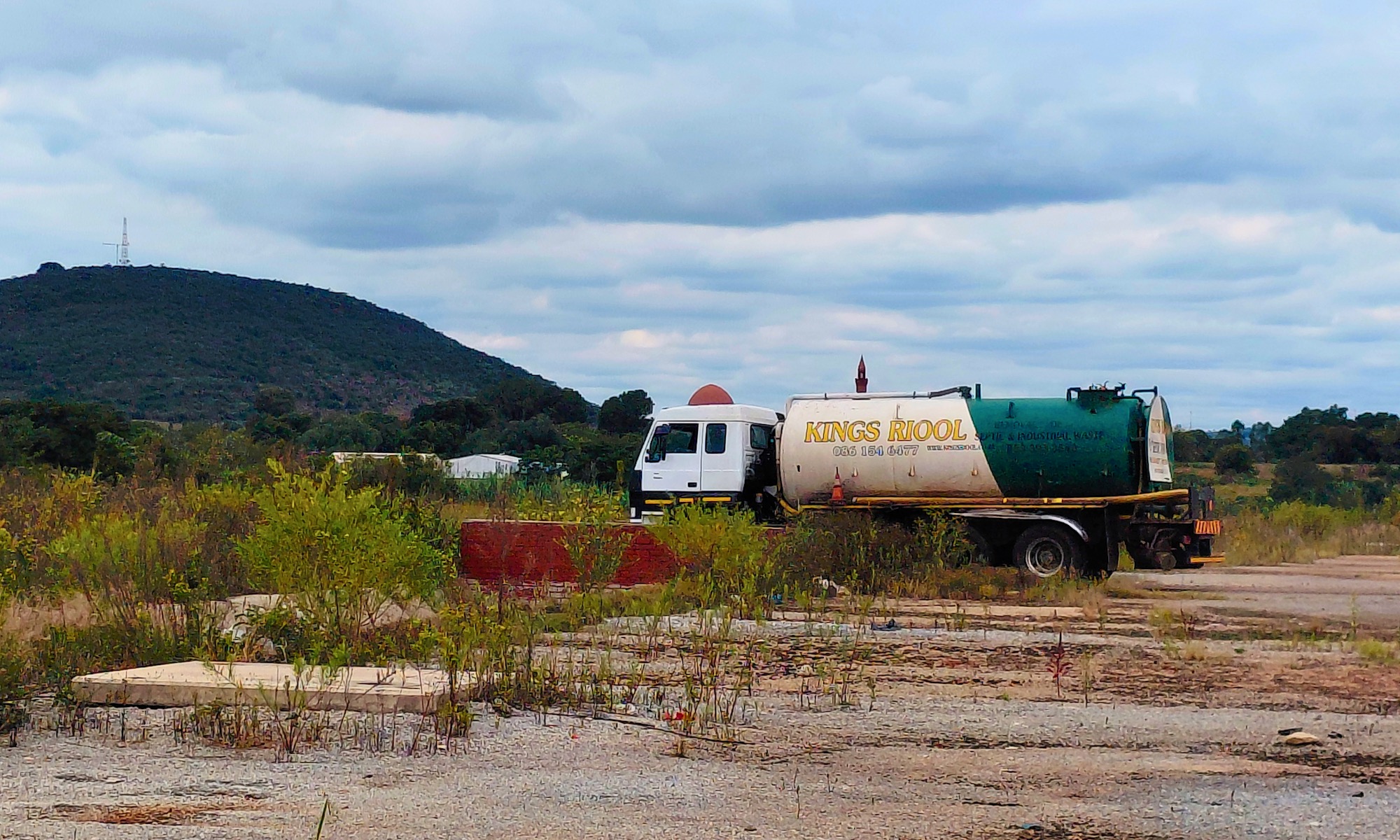
A private “honey sucker” arrives at the Sunderland Ridge works.
Calls for systemic intervention and City plans
Johnston said reversing the decline requires stabilising failing plants, rehabilitating key treatment processes, restoring technical expertise, protecting upstream infrastructure, enforcing compliance, and coordinating action across the river systems.
Without such interventions, she warned of serious public health risks, environmental degradation, and rising economic costs linked to water treatment, agriculture and long-term water security.
The City of Tshwane acknowledged receipt of our questions sent a week ago but has not responded to GroundUp.
However, Tshwane’s draft 2026/27 Integrated Development Plan (IDP) strives for 90% Green Drop compliance. Initiatives include fast-tracking the Rooiwal Waste Water Treatment Works upgrade, maintaining and refurbishing critical assets, expanding the “War on Leaks” programme, and building in-house technical capacity.
The metro’s water and sanitation budget will rise from R721-million in 2026/27 to R1.37-billion by 2028/29. Key allocations cover Rooiwal, Ekangala, Sunderland Ridge, and Baviaanspoort waste water treatment works, as well as sewer replacement and pump station upgrades.
Long-term projects include a R530-million full upgrade of Rooiwal, R759-million for Magalies and Klipdrift plants, and R8.5-billion for a new waste water treatment system started in 2015 and expected to be completed in 2029. But 11 years later it still has not moved beyond feasibility studies.
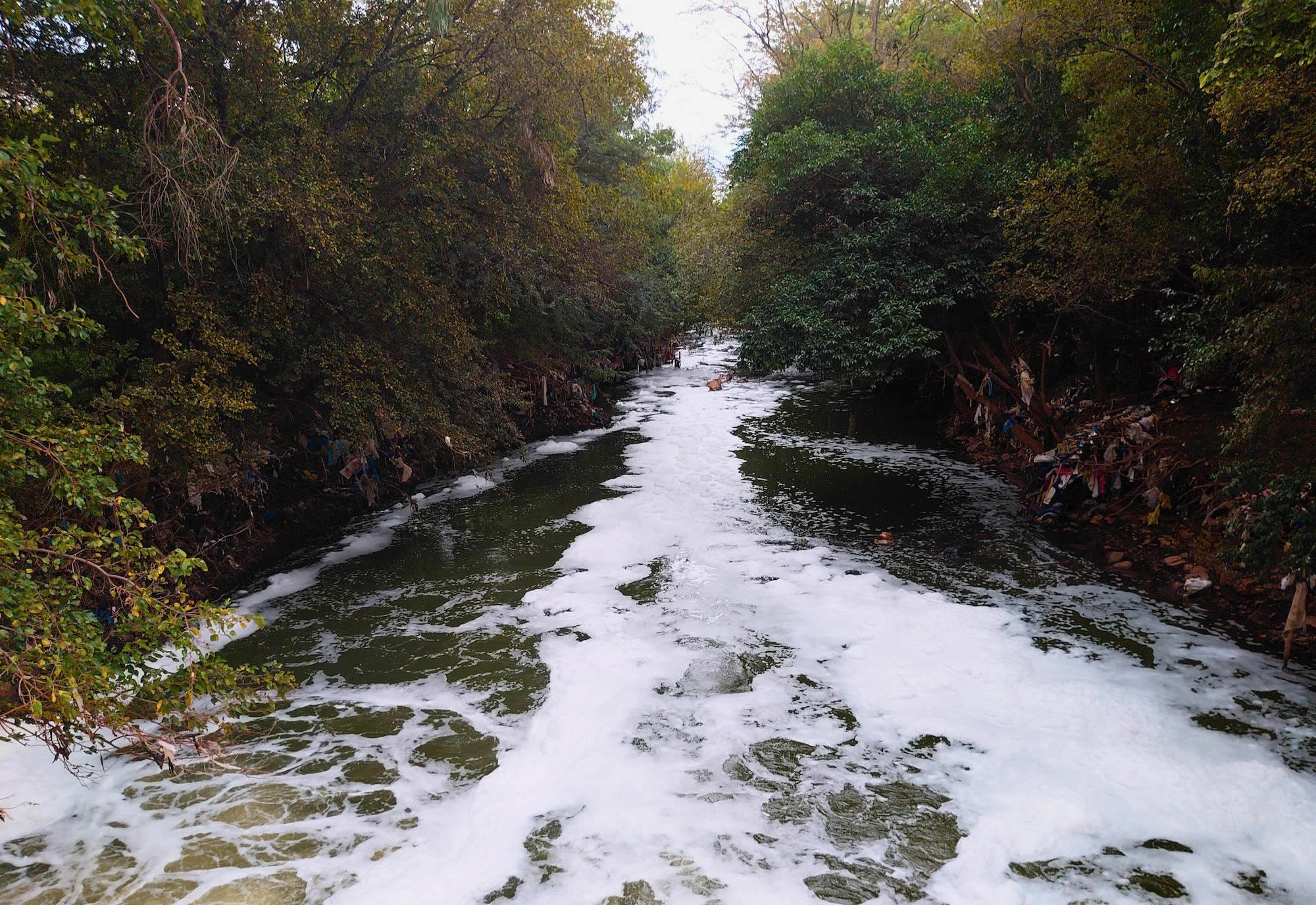
The foaming Hennops River, polluted by poorly or untreated sewage from the Sunderland Ridge treatment works.
Support independent journalism
Donate using Payfast

Don't miss out on the latest news
We respect your privacy, and promise we won't spam you.
Next: Dipuo Peters pays R190k to stop sheriff from taking her car
Previous: SA’s only state transgender surgery clinic can help just four patients a year
© 2026 GroundUp. This article is published under the GroundUp Republication Licence Version 1.0. Email [email protected] to request permission to republish.