
Organisation forced to halt free sanitary pad project
Code Red Initiative, which distributed period kits in Masiphumelele, Ocean View and Red Hill, is in need of funding
 Add GroundUp on Google
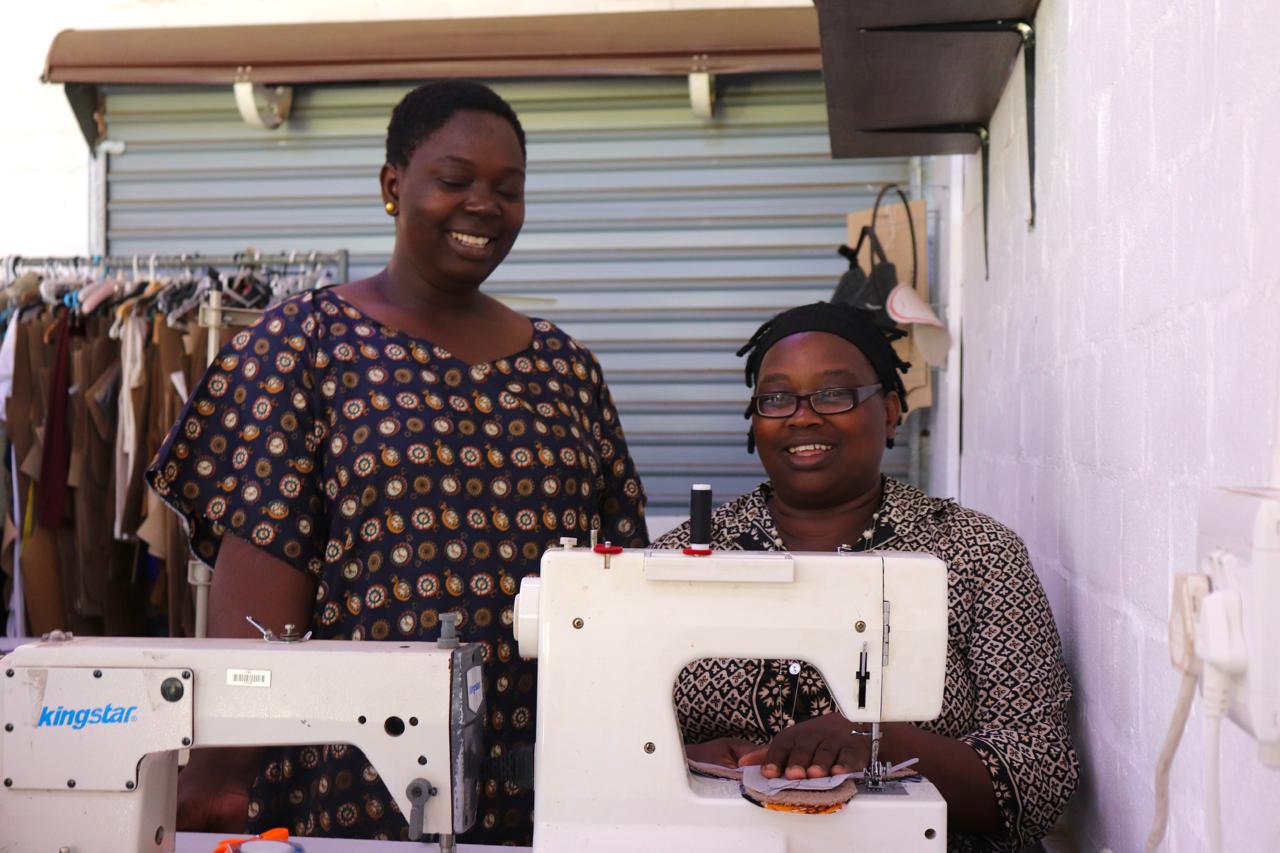
Seamstresses Abigail Mugoni (left) and Bianca Wadi (right) were part of the Code Red Initiative training programme. Mugoni says it took her two hours to finish sewing 20 washable sanitary pads. Photos supplied
- The Code Red Initiative was started in 2020 to make sanitary products more accessible in vulnerable communities during the covid pandemic.
- Due to funding constraints, the project was forced to temporarily stop operations and could no longer pay the seamstresses they had hired from Masiphumemlele to make the washable sanitary pad kits.
- The kits consisted of a small black bucket, with eight pads (five medium and three large), laundry detergent, pegs, cleaning instructions and a drawstring bag.
Abigail Mugoni from Masiphumelele was one of a dozen women employed by the Code Red Initiative (CRI) to make reusable sanitary pads until the project was forced to temporarily close in December last year.
The Code Red Initiative was started in 2020 to respond to the inaccessibility of sanitary products in vulnerable communities during the covid pandemic. They distributed washable, reusable sanitary pads in areas like Masiphumelele, Ocean View and Red Hill.
Seamstresses like Mugoni were trained through a series of sewing workshops and went on to contribute to the production of washable sanitary pads.

Beyond supporting the project itself, the training was designed to provide participants with skills that could create future employment and entrepreneurial opportunities, says Tara Bird, co-founder and director of Code Red Initiative.
The project was forced to halt operations after losing funding at the end of last year.
Not only has it been a loss to the many learners and other women who had received the CRI’s period kits, but the streamstresses have had to find alternative jobs which pay less. Some are still unemployed.
The kits consisted of a small black bucket, with eight pads (five medium and three large), soap or laundry detergent, pegs, cleaning instructions and a drawstring bag.
Mugoni joined CRI in 2020 and said she earned a decent living making the period kits because it would take her about two hours to finish sewing 20 pads. She earned about R100 per completed kit.
The materials used for the sanitary pads were mostly from a supplier, but some companies donated cuts of cotton and towelling, she said.
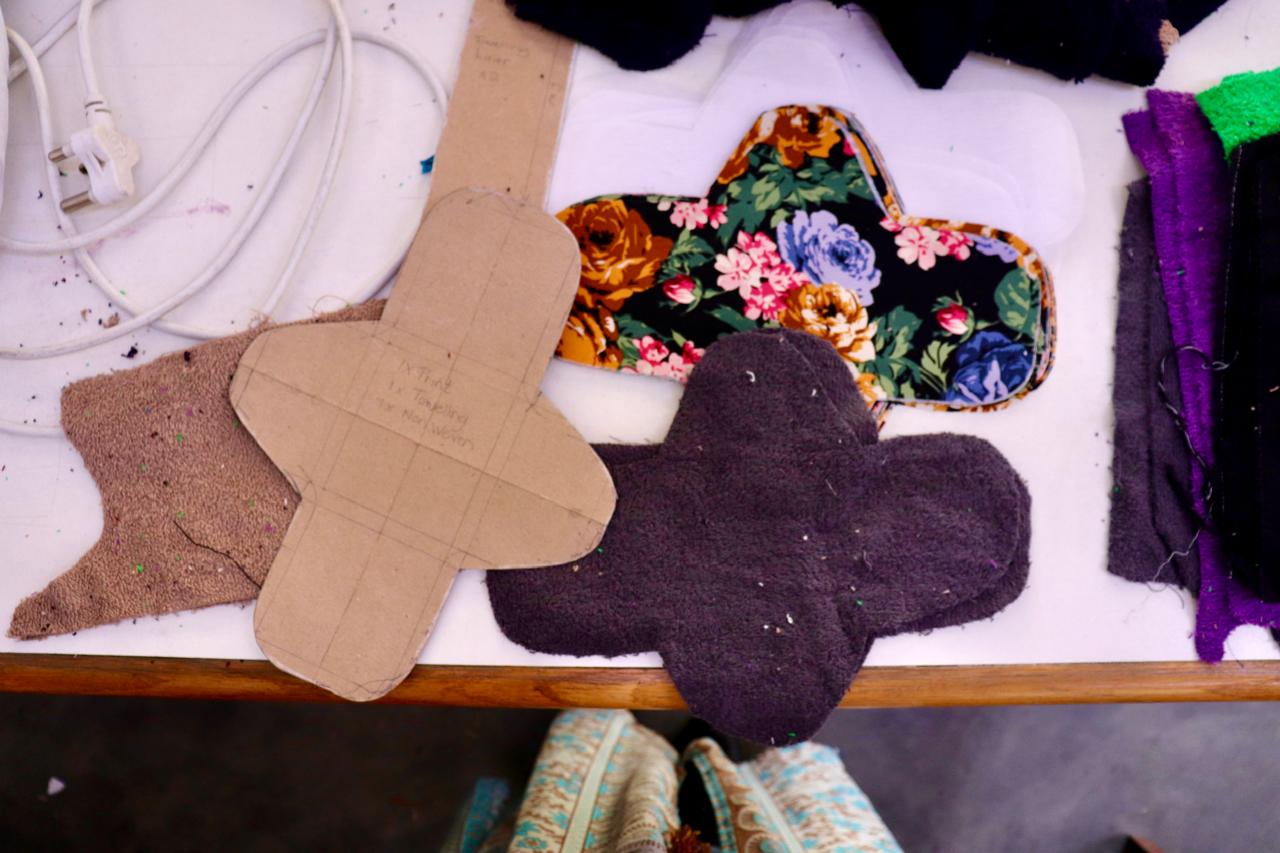
The washable, reusable sanitary pads are made with three layers of cotton fabric.
Mugoni, who also uses the washable pads herself, said each pad was made to last about five years. “You can wash them normally like you would wash your underwear, it is just important that you are hygiene-conscious.”
Since the project ended, Mugoni has been selling vegetables and secondhand clothing from her home. “I was making more money when I was part of the project because we were getting paid according to how many sets of the sanitary pad kits you had made.”
“My family and I are surviving, but business tends to be a little slow now that it is winter.”
According to Bird, the project was unable to secure enough funding for 2026. “Once our 2025 funds were exhausted, we were unable to continue operations at the same scale, resulting in the project being placed on hold.”
Bird said they had ten women from Masiphumelele who received income from making the kits, which also allowed them to address menstrual challenges within the community.
To identify recipients, the organisation partnered with community leaders who work with girls and their families. “This ensured that distribution was conducted in a respectful, accessible, and community-led manner. We occasionally had schools reach out, asking if we had any kits to donate,” said Bird.
“Our washable sanitary pads were generally well received, whereas alternative products such as menstrual cups and tampons were often met with hesitation, largely due to unfamiliarity and cultural preferences.”
The project also hosted educational talks around periods and sexual health. “The girls who participated in our programmes were eager to learn and engage these topics,” said Bird.
Until additional funding is secured, Bird said, “Our intention is to restart the project when funding and capacity allow. The future timeline remains uncertain, as we are heavily reliant on external funding and community support”.
Support independent journalism
Donate using Payfast

Don't miss out on the latest news
We respect your privacy, and promise we won't spam you.
© 2026 GroundUp. This article is published under the GroundUp Republication Licence Version 1.0. Email [email protected] to request permission to republish.