
NUMSA wins bid to block liquidation of diamond mine
Court puts Kimberley’s Ekapa mine under business rescue – but choice of diamond dealer raises questions
 Add GroundUp on Google
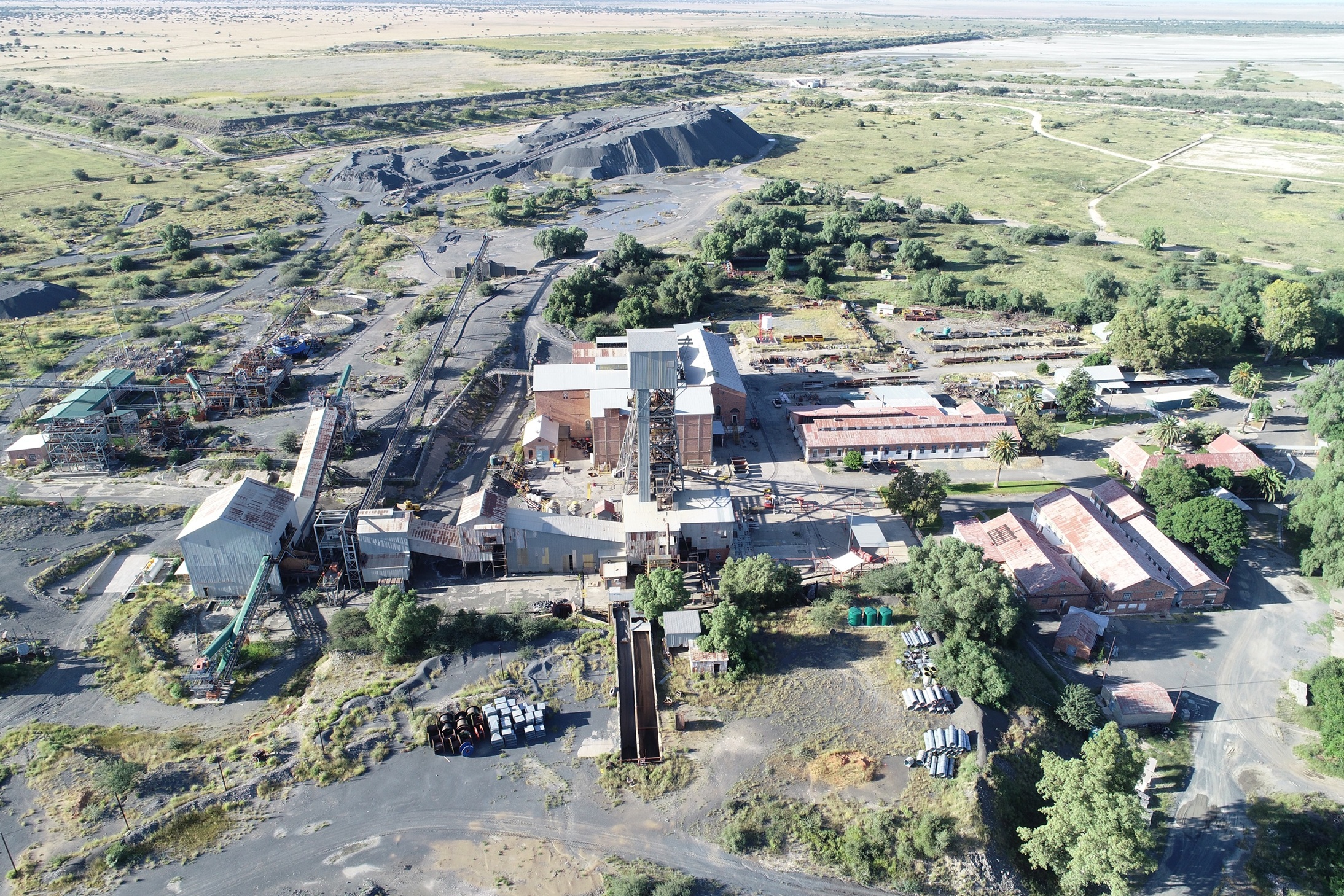
Ekapa Minerals’ diamond mine in Kimberly has been placed into business rescue after a court challenge by NUMSA. Photo supplied
- The Northern Cape High Court has set aside the liquidation of Ekapa Minerals and placed it into business rescue.
- This comes after NUMSA challenged the liquidation and proposed a rescue plan that includes a R25-million deal with controversial diamond dealing company Hall of Diamonds.
- The provisional liquidators of the mine have disputed the feasibility of the rescue plan and say the judgment has put the mine’s assets and infrastructure and the environment at risk.
The National Union of Metalworkers of South Africa (NUMSA) has stopped the liquidation of Kimberley’s Ekapa diamond mine, after persuading the Northern Cape High Court to place the company under business rescue instead.
If the rescue succeeds, about half of the mine’s 1,030 jobs could be saved.
Ekapa Minerals was placed into provisional liquidation on 3 March, days after a mud rush claimed the lives of five workers and production came to a halt. The ruling in the Northern Cape High Court on 27 July suspends the liquidation and allows an independent business rescue practitioner (BRP) to investigate whether the mine can continue to operate.
The union’s business rescue plan includes a R25-million deal with diamond trading company Hall of Diamonds. The company and its director have been linked in several reports to illegal diamond transactions.
Saving jobs
NUMSA argued in court that liquidation would destroy jobs and that parts of the mine were still viable after the mud rush. The company disagreed, saying repairs would cost more than R800-million and take between ten and 18 months.

But acting Judge T. Tyuthuza found that NUMSA had established a reasonable prospect that business rescue could either rescue the company or produce a better outcome for workers and creditors than liquidation.
For workers who have gone months without wages, the judgment offers the first prospect that the mine might resume operations.
“After the news about the judgment, the workers were very happy,” said NUMSA worker representative steward Bongani Mbambo.
“When the company decided to liquidate after the disaster in February, workers were simply told to leave. No one was paid. Many workers had moved to Kimberley for these jobs; they were part of the community. Suddenly, they couldn’t pay rent or support their families and had to go back home.”
GroundUp asked Ekapa Minerals for comment but has not received a response at the time of publication.
In a statement this week, the joint provisional liquidators said that although the judgment is appealable, it would take too long for the matter to be resolved.
The judgment has left an “impasse” which puts the mine’s infrastructure, remaining assets, and the environment at risk, the liquidators said.
Due to outstanding bills, which the liquidators cannot pay due to the impasse, Eskom plans to cut the power to the mine, which “would stop the boreholes and shaft pumps that keep the underground workings dry” and could flood the mine.
“Insolvency matters are recognised to be extremely urgent. Arguments were heard on 18 June in the high court in Kimberley. The time elapsed during the legal proceedings exhausted the remaining cash reserves required for care and maintenance, at a rate of approximately R400,000 per day.”
The judgment follows years of conflict between workers and Ekapa’s management.
In 2023, workers embarked on a prolonged strike over wages and working conditions. In September 2025, NUMSA protested against the mine laying off and retrenching workers it said without consultation.
Challenge
Ekapa Minerals, described as the largest privately owned diamond mining operation in the world, owns and operates three diamond mines: Du Toitspan, Bultfontein and Wesselton.
According to court papers, the company had been battling a decline in diamond prices but a turnaround strategy had begun to bear fruit in early 2026.
But on 17 February 2026, operations at Ekapa Minerals’ Du Toitspan and Bultfontein mines were immediately halted following the catastrophic mud rush and production at Ekapa Minerals came to a complete halt. On 3 March, the company was placed under provisional liquidation.
NUMSA legal officer Tshepiso Mochabela said the union decided to challenge the liquidation after examining the company’s liquidation application.
“The documents submitted for liquidation just didn’t make sense. It didn’t make sense to have to close the mine.”
“We held discussions with the members of NUMSA at the mine to understand the day-to-day operations and how the mine functions. They told us that other underground areas and surface mining were still viable and could be operational. Having that information helped us and the business practitioner. With it we were also able to secure funding.”
Working with business rescue practitioner Marius van Tonder, NUMSA developed an alternative proposal. It argued that the company retained movable assets worth about R141-million, had substantial debts that could potentially be recovered, and NUMSA and the BRP had secured R25-million in post-commencement finance from Hall of Diamonds in exchange for exclusive rights to diamonds mined during the business rescue period. NUMSA said this would preserve about 500 of the 1,030 jobs at the mine.
The union said the flooding from the mud rush was limited and “the mine remains capable of continuing operations”.
Ekapa Minerals and the provisional liquidators opposed the application. They argued that the rescue proposal was unrealistic, that restoring the mine would require about R800-million, that the finance offer of R25-million was “not enough to attend to the business of Ekapa Minerals for even the first month of operations”, and that liquidation was the “only viable option”.
Judge Tyuthuza rejected these arguments. He found that the proposed rescue plan established a reasonable prospect of achieving its objectives. He said liquidation would cause the company’s mining right to lapse, destroying one of its most valuable assets. Continuing operations through business rescue, he said, offered a better prospect for workers, creditors and the Kimberley economy than immediate liquidation.
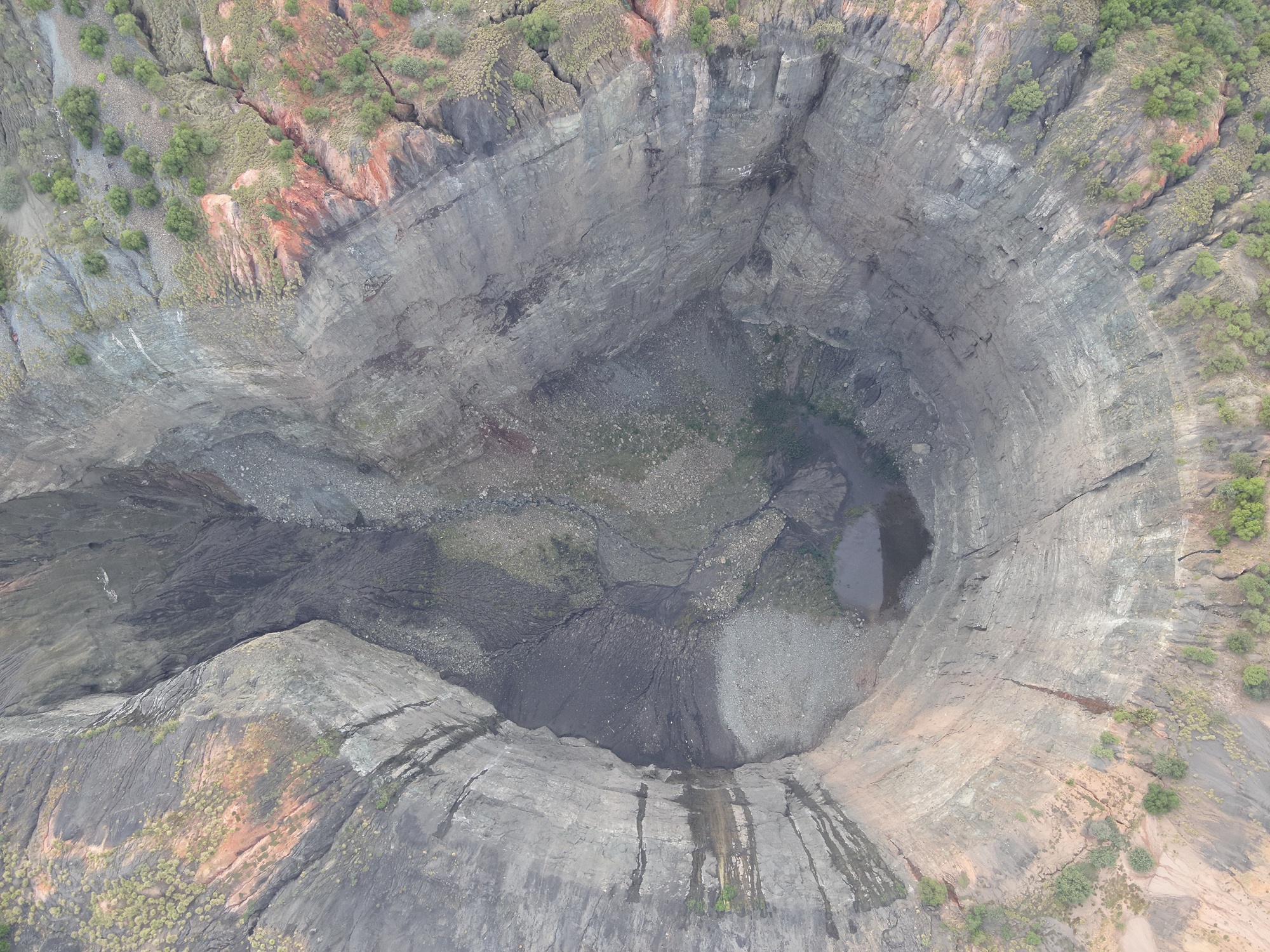
The mine’s provisional liquidators say the judgment has created an impasse that puts the mine’s assets, infrastructure and the environment at risk. Photo supplied
A lesson for unions
Mochabela believes the judgment has implications beyond Ekapa.
“This is a significant case because when unions are faced with liquidation, even NUMSA would generally just take it as a done deal, submit documents for severance pay and allow the process to unfold.”
“This case sets the tone for us as a union and probably for other unions as well, to say that whenever we are faced with liquidation processes we shouldn’t just fold our arms.”
The BRP will now investigate the company’s affairs and prepare a business rescue plan for creditors, workers and other affected parties.
Mochabela said NUMSA would participate in the process.
“We will allow the business practitioner to take charge and turn the mine around and make it fully operational again. We don’t have any formal non-negotiable demands. We just need to ensure that some of our members previously employed by Ekapa get their jobs back. Because a town like Kimberly is mostly dependent on such mines,” he said.
“We are going to allow Mr van Tonder to run his process without us interfering. We will be comfortable with whatever decisions he comes up with, with regards to saving the mine.”
“Workers need assurances about the safety of the remaining parts of the mine before starting work again,” said Mbambo. “Before the mud rush, the underground conditions were not fine.”
The company did not respond to these allegations.
Support independent journalism
Donate using Payfast

Don't miss out on the latest news
We respect your privacy, and promise we won't spam you.
Next: What happens when a shack appears in a gated community?
Previous: South Africa’s fruit canning industry under threat as Premier Foods plans closure
© 2026 GroundUp. This article is published under the GroundUp Republication Licence Version 1.0. Email [email protected] to request permission to republish.