
Lesotho families take Lesotho Highlands Development Authority to court
The Seinoli Trust wants the high court to compel the LHDA to release data on communities affected by the water project
 Add GroundUp on Google
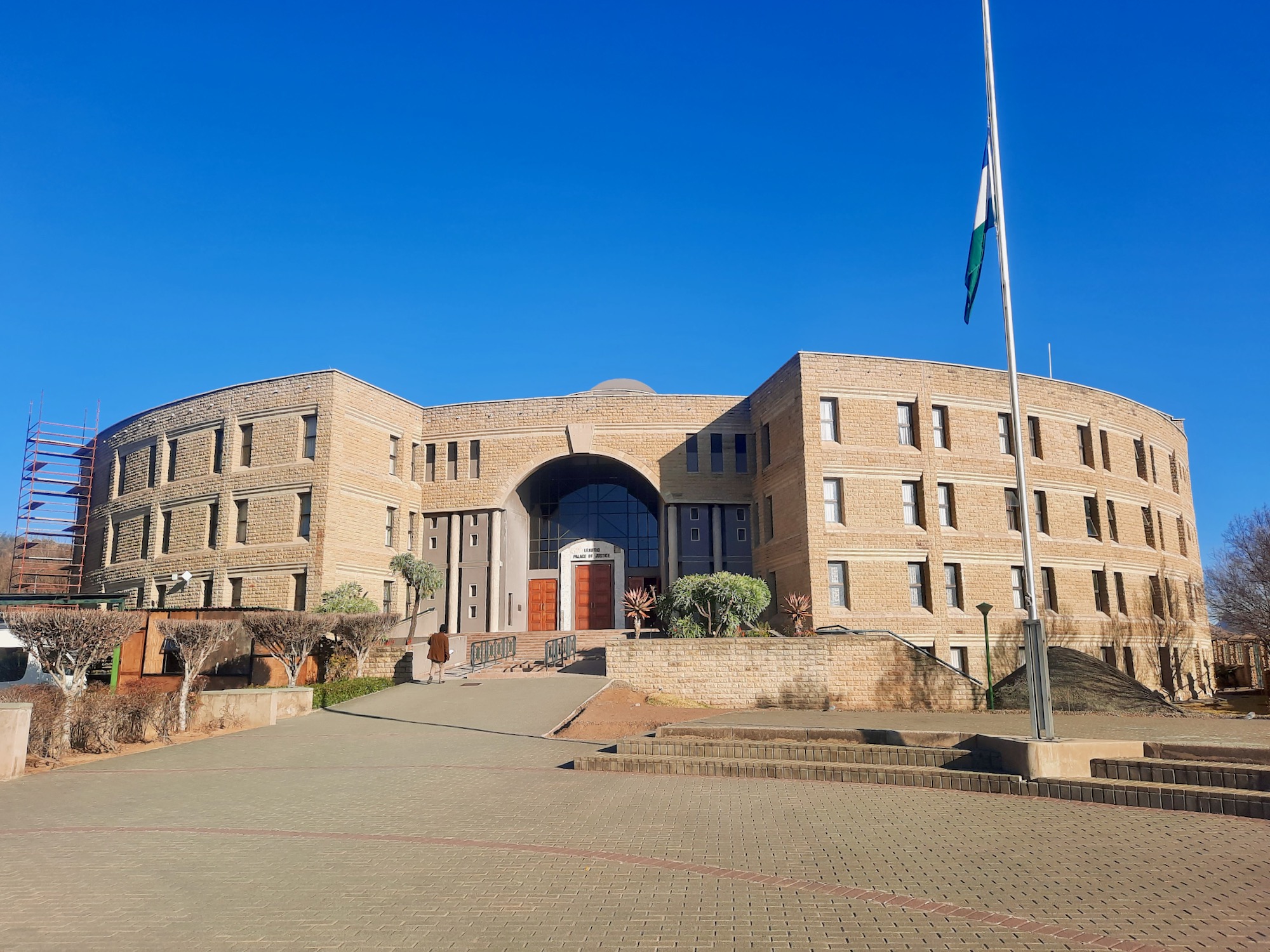
The high court in Lesotho is to be asked to order the Lesotho Highlands Development Authority to release data on communities affected by the Lesotho Highlands Water Project. Archive photo: Sechaba Mokhethi
- The high court in Lesotho is to hear a bid to force the Lesotho Highlands Development Authority (LHDA) to release information on communities affected by the Lesotho Highlands Water Project, which includes the Katse Dam.
- The Seinoli Trust, representing those affected, says it first tried to get the data in 2023.
- The LHDA says that the data was not available because LHDA was still undertaking the survey.
The Lesotho High Court will, on Tuesday, be asked to compel the Lesotho Highlands Development Authority (LHDA) to release data needed to determine whether communities near the Lesotho Highlands Water Project have been left worse off by it.
In September 2023, the Seinoli Trust, representing the communities, approached the court seeking to overturn a refusal by the LHDA to share the information. Seinoli argued that the data is critical to determining whether the families have been adequately compensated under the treaty signed by Lesotho and South Africa.
In her founding affidavit, Reitumetse Nkoti-Mabula, executive director of Seinoli’s operations arm, Seinoli Legal Centre, said the organisation wrote to the LHDA on 28 March 2023 requesting the information within 14 working days. When the LHDA failed to furnish the information, Seinoli wrote another letter on 26 April 2023.
The LHDA only responded on 22 June 2023, saying that the information was the intellectual property of LHDA and could not be shared with any third parties. LHDA chief executive Tente Tente said releasing the information would also violate data protection laws.
Nkoti-Mabula said the refusal made it impossible to evaluate whether the LHDA had met its obligations to the communities affected by the water project.
She said the requested information included completed census and socio-economic survey data about everyone affected by the project, as well as land and asset inventories, maps and photographs identifying the location and size of agricultural land. It also included information on improvements such as houses, livestock, rangelands, fruit trees, medicinal plants and graves.
Seinoli also wanted the LHDA to disclose valuation amounts, compensation offers, signed agreements, grievance documents and an overview of cash and in-kind compensation paid to those affected.
Battle heads to court
Nkoti-Mabula said the organisation wanted the court to declare the LHDA’s refusal to share the information unlawful and illegal. The LHDA had violated its own policies and legal commitments, she said. In its environmental policy dated May 2016, the LHDA had undertaken to “regularly provide to stakeholders, accurate environmental information and reports based on the outcome of monitoring and evaluation activities”.
The refusal also violated Seinoli’s right to access information under Lesotho’s constitution and the Environmental Act, Nkoti-Mabula said.
Tente denied that the refusal was unlawful, saying the LHDA’s decision complied with the Data Protection Act of 2011, which prohibits the release of beneficiaries’ private information without their authorisation. “The fact that [Seinoli] is a public interest law centre does not grant it a blank cheque to receive personal and private information without the consent of the affected third parties,” Tente said.
Nkoti-Mabula said Seinoli had consulted individuals, households and communities affected by Phase 1A of the water project, covering the Katse Dam and Muela Reservoir. During these consultations, in 2021 and 2022, some people had complained that they had not received full compensation for losses suffered because of the project.
“About 100 individuals, households and communities complained that life has become more difficult for them ever since the project,” she said, adding that the communities had requested Seinoli’s intervention. She cited an ombudsman report, stating that as of 31 December 2025, arrears in compensation for Phase 1 stood at more than M142-million (R142-million).
Why this data matters
According to Nkoti-Mabula, access to this data would enable Seinoli to compare the circumstances of affected households and communities before and after the project, and assess whether the LHDA had met its obligations.
“In the view of the Seinoli Legal Centre, the failures of the LHDA in discharging its domestic and international obligations as a local instrument implementing the Lesotho Highlands Water Project, deleteriously impacted on the protected rights and interests of the vulnerable affected communities,” she said.
But Tente said that the socio-economic data requested by Seinoli had not been available at the time because LHDA had still been undertaking the survey. He said failure to provide information that was still being collected could not be considered a breach of its policy.
Support independent journalism
Donate using Payfast

Don't miss out on the latest news
We respect your privacy, and promise we won't spam you.
© 2026 GroundUp. This article is published under the GroundUp Republication Licence Version 1.0. Email [email protected] to request permission to republish.