
Has the army deployment in Cape Town made communities safer?
Parliament gears up for inquiry into gang violence next month
 Add GroundUp on Google
Avril Andrews, from Hanover Park on the Cape Flats, lost her son, Alcardo, shot dead near their home by gangsters in 2015. She now runs a programme to support mothers in the community. Photos: Ashraf Hendricks
Avril Andrews has lived in Hanover Park on the Cape Flats for most of her adult life. In October 2015, her son, Alcardo, aged 27, was shot dead near their home by gangsters.
“He was a good son,” she says.
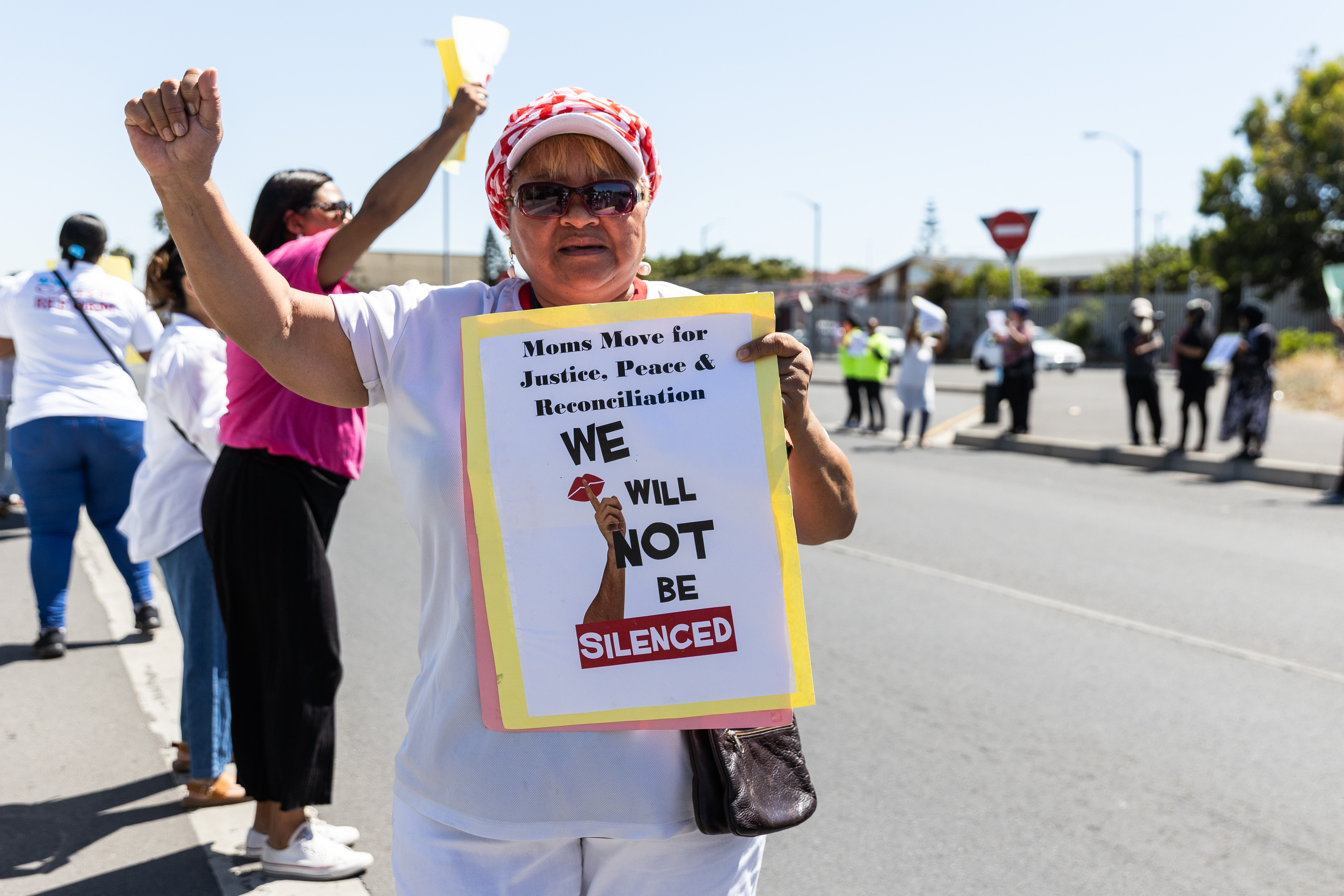
Determined to keep his memory alive, she started she started the Alcardo Andrews Foundation. One of its programmes is Moms Move for Justice, supporting mothers who have lost their children through crime and gangsterism.
Video: Ashraf Hendricks

Hanover Park is considered one of the most dangerous communities in the Western Cape. The recent quarterly crime statistics reflect this.
The quarterly crime statistics state there were 983 murders in the province between January and March 2026, though not all were linked to gang violence.
According to police, there are 29 detectives servicing about 69,000 people in the Philippi precinct, which includes Hanover Park.
A recent Global Initiative report says factional splits in gangs are the main driver of unrest in Hanover Park.
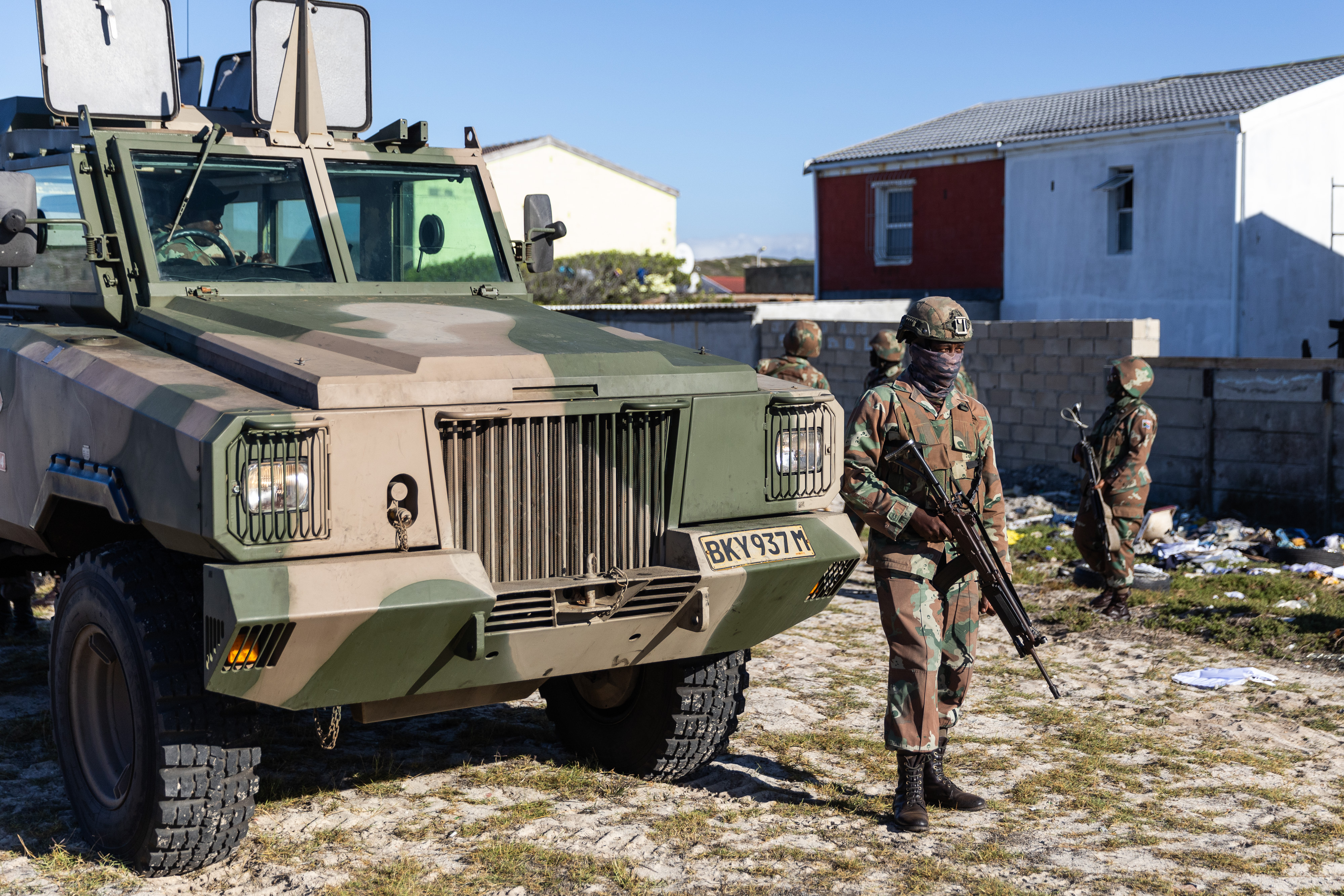
SANDF members in Mitchells Plain earlier this year as part of Operation Prosper conducted with SAPS and other law enforcement agencies.
‘Operation Prosper’
Earlier this year, President Cyril Ramaphosa announced that South African National Defence Force (SANDF) soldiers would be deployed to serve alongside the South African Police Service (SAPS). The deployment, named Operation Prosper, is set to cost more than R800-million and last a year.
This isn’t the first time the army has been called in to help SAPS quell gang violence in Cape Town.
Responding to questions earlier this year about the deployment, acting police minister Firoz Cachalia said the police would use the support of soldiers to stabilise crime-ridden areas.
However, since the deployment in April, the operation has been met with criticism from communities, activists and members of Parliament.

Avril Andrews started the Alcardo Andrews Foundation and later Moms Move for Justice after her son was murdered by gangsters in 2015.
Andrews, and other mothers whose sons have been gunned down, say the army’s 2019 deployment in several Cape Flats areas made little to no impact on their safety. They are concerned that this is happening again.
She said gang shootings in the area remain a regular occurrence and she does not feel safer since soldiers and SAPS conducted operations this year.
“Personally, I’m disappointed. There’s no communication from the South African Police to the community. What’s their strategy? Are they just coming to drive up and down the houses?” said Andrews.
Noleen Barnes, whose 30-year-old son, Nathan, was murdered by gangsters in 2019, said police need to spend more time working with community leaders. Wednesday would have been her son’s 37th birthday.
“Our lives are at risk. Our children’s lives are at risk. The police don’t play their part …”
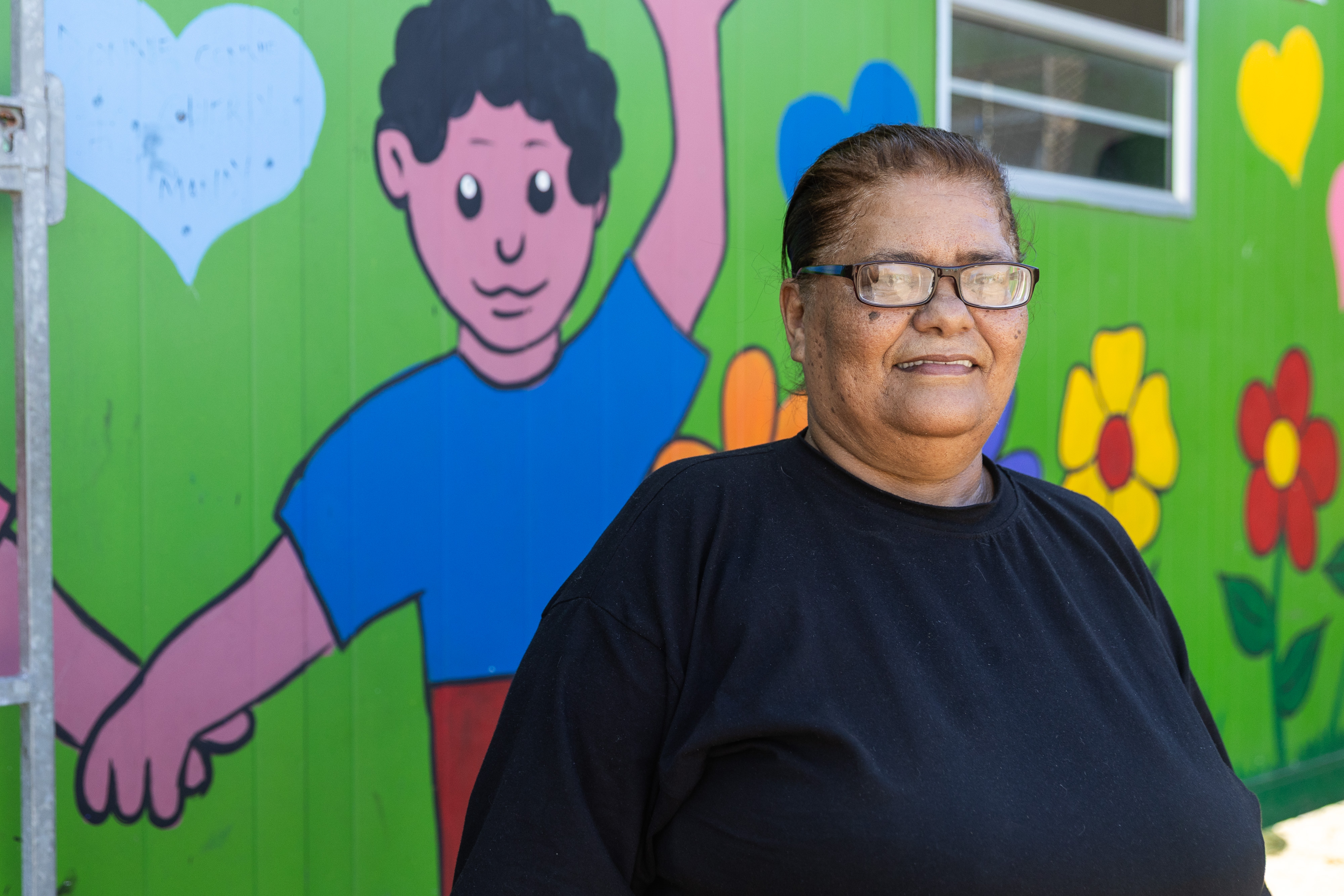
Noleen Barnes’ 30-year-old son, Nathan, was murdered by gangsters in 2019.
Parliament is set to hold an inquiry into gangsterism on the Cape Flats next month. It will include public hearings, and meetings with community groups, police forums and neighbourhood watches. A report with findings, legislative proposals, and recommendations will be submitted to the National Assembly.
Ian Cameron, chairperson of Parliament’s police committee, said the response to gang violence would require far more than soldiers on the ground. He said more SAPS detectives were urgently need.
“Detectives are generally burnt out. They’re completely overburdened,” he says. Ideally, a detective should never have more than 20 case dockets, “but the average in the country is between 100 and 200 dockets per detective,” he told GroundUp.
He also suggested an “integrity audit” of SAPS top management. “We need to clean up completely.”
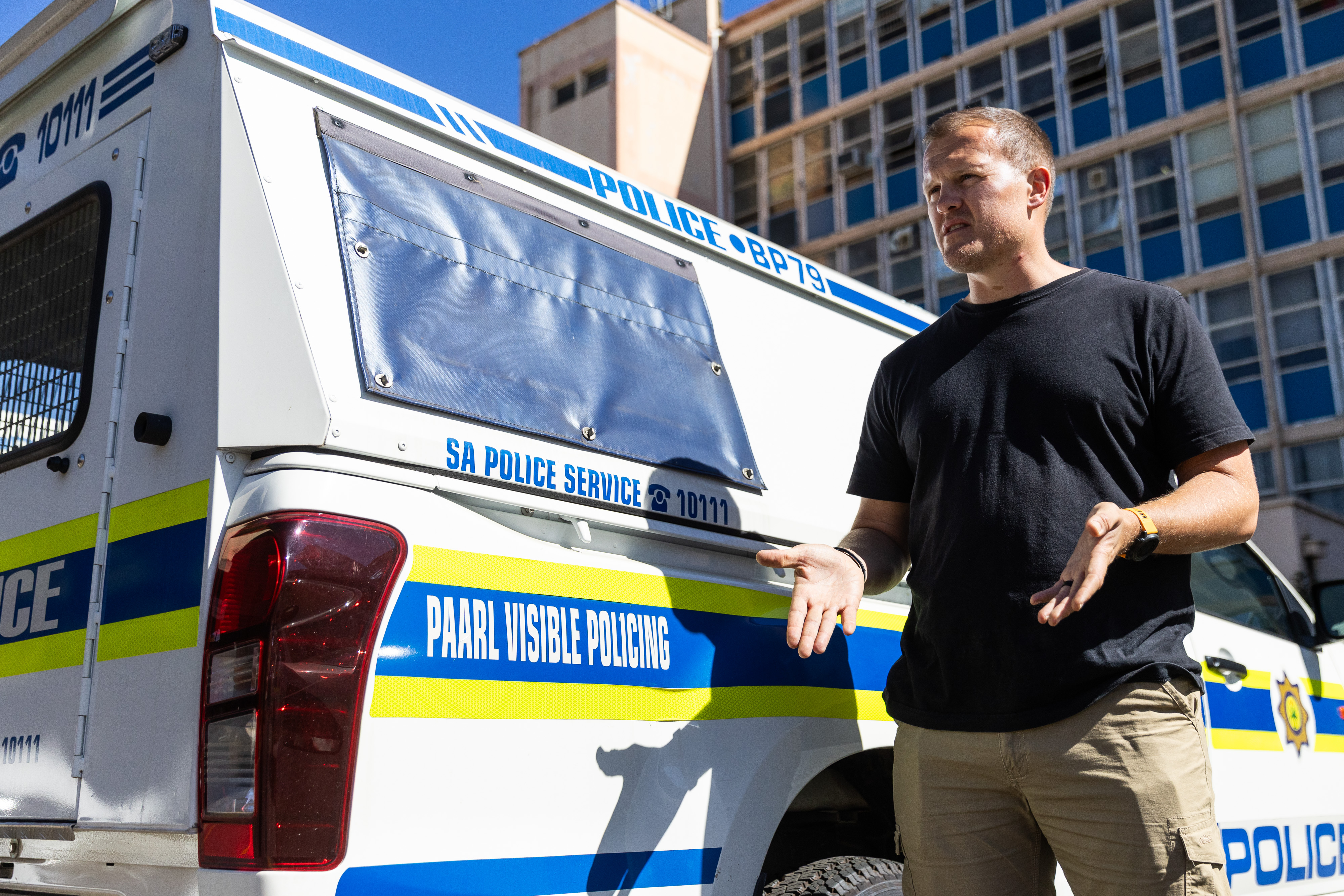
Chairperson of Parliament’s portfolio committee on police, Ian Cameron, says the police’s response to gang violence requires a comprehensive response from various spheres of government.
“We can’t win an arms race with gangsters”
Colonel Andrè Traut, spokesperson for Western Cape SAPS, said Philippi SAPS (which includes Hanover Park) currently has 29 detectives.
“While staffing may from time to time be influenced by factors such as retirements, sick leave, training commitments and annual leave, these are normal operational considerations that are not unique to Philippi SAPS.
“The available resources at Philippi SAPS are sufficiently applied to support service delivery, crime prevention initiatives and investigative work in the community,” he said.
According to SAPS, since the commencement of Operation Prosper on 1 April 2026, 1,601 arrests have been made across the Western Cape. Of these, 100 were made within the Philippi policing precinct.
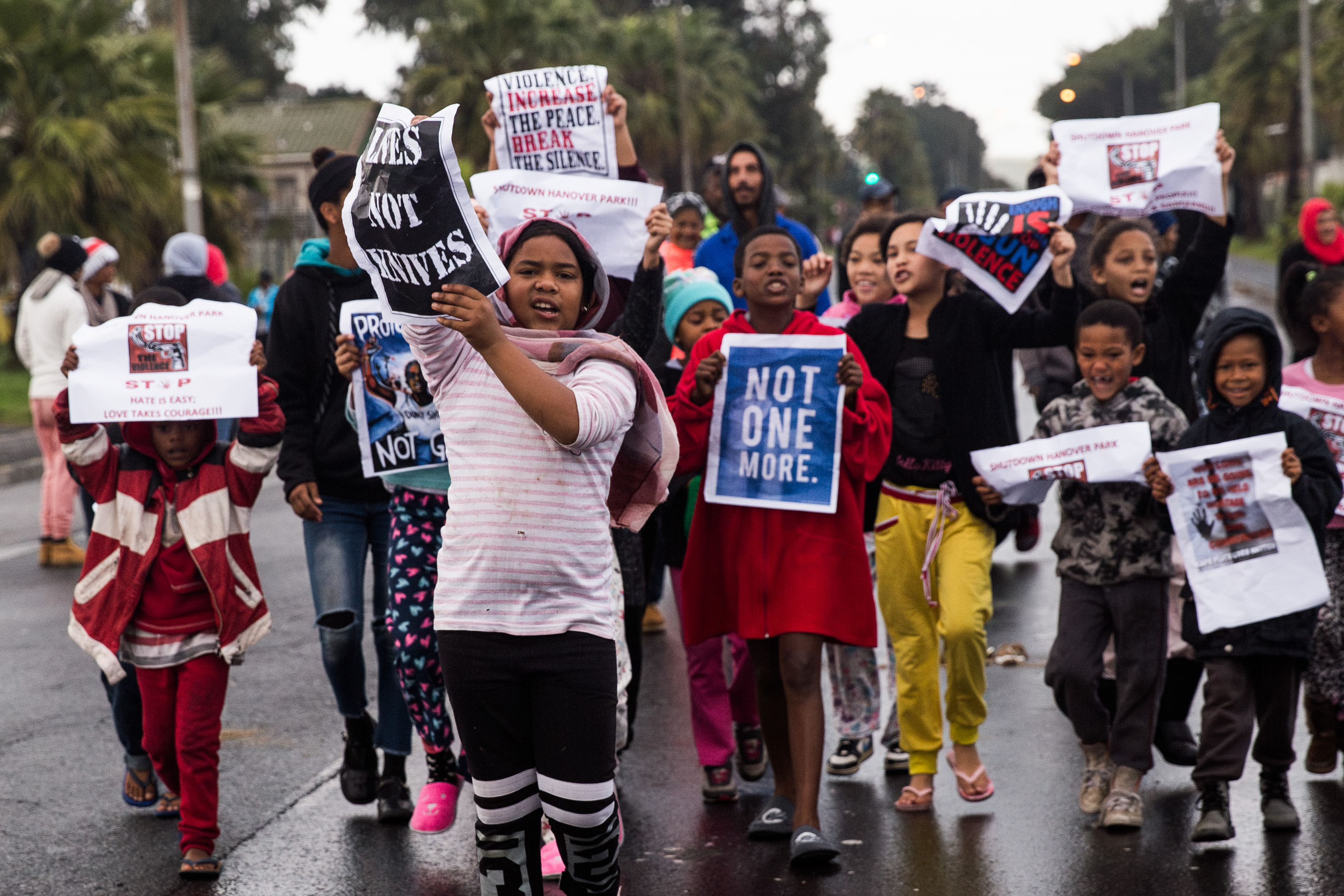
Children in Hanover Park led a march against crime and gangsterism in 2019. Archive photo: Ashraf Hendricks
“SAPS is unable to disclose the number of murders recorded in the Western Cape or in Hanover Park since the inception of Operation Prosper, as these figures form part of the official crime statistics reporting framework,” said Traut. News24 reported that more than 250 murders were recorded in the province since the deployment began.
“The success of the operation is measured through a range of indicators, including arrests, the confiscation of firearms and ammunition, the recovery of stolen property, the disruption of criminal activities, and enhanced police visibility … Operation Prosper continues to contribute significantly to stabilisation efforts in affected areas,” said Traut.
Cameron is sceptical of the police’s “haphazard” approach. “They are very often raiding the wrong houses,” he said.
“It seems that intelligence-based policing is not happening the way that it should.”
Retired SAPS major-general Jeremy Vearey says rooting out gang violence needs investment in community structures such as policing forums and neighbourhood watches. He said it was a myth “throwing numbers in uniform and making them look dangerous” would solve gang violence. “We can’t win an arms race with gangsters.”
Vearey has also called for gang violence to be classified as a state of disaster.
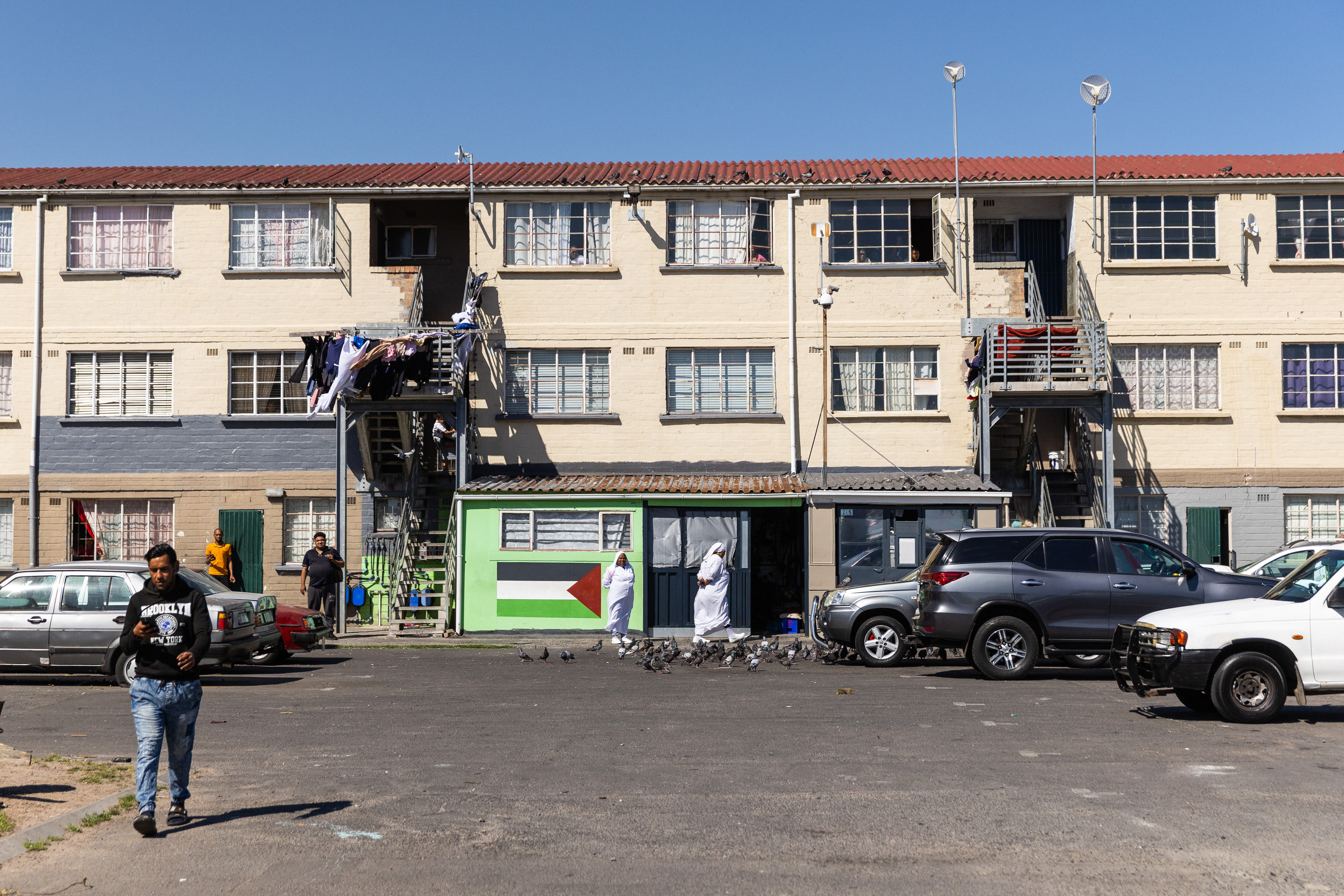
Hanover Park is considered one of the dangerous areas in Cape Town.
Support independent journalism
Donate using Payfast

Don't miss out on the latest news
We respect your privacy, and promise we won't spam you.
Next: Xenophobia: what the government should have done - and can still do
Previous: Mitchells Plain families desperate for housing left in limbo
© 2026 GroundUp. This article is published under the GroundUp Republication Licence Version 1.0. Email [email protected] to request permission to republish.