
Dial-a-Ride and MyCiTi commuters hit by major hike in fares
The City of Cape Town says rising fuel and operating costs made fare increases unavoidable
 Add GroundUp on Google
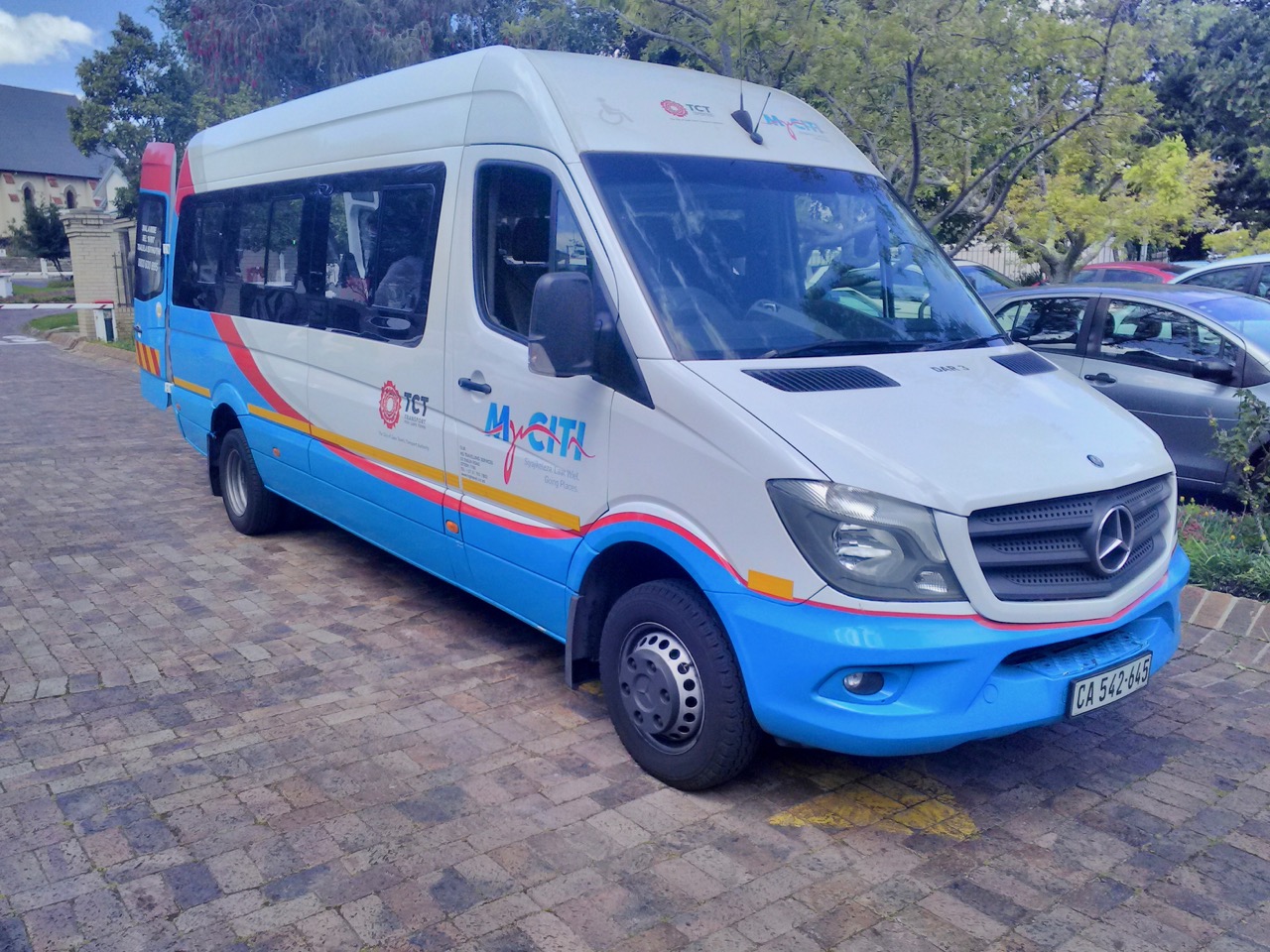
Commuters and disability groups say the latest Dial-a-Ride and MyCiti increases will make essential travel less affordable. Archive photo: Will Yoder.
- Commuters and disability groups say the latest Dial-a-Ride and MyCiti increases will make essential travel less affordable.
- Dial-a-Ride and MyCiTi fares increased on Wednesday, 1 July.
- The City of Cape Town says rising fuel and operating costs made the increases necessary.
Single mother and wheelchair user Debbie Bedien says Cape Town’s latest Dial-a-Ride fare increase will make it even harder for people with disabilities to afford essential travel.

Bedien, who has used the service since 1999, relies on her monthly disability grant of R2,390. She uses Dial-a-Ride to travel to physiotherapy and clinic appointments, the gym, shops and social engagements.
On Wednesday, 1 July, Dial-a-Ride fares increased after what the City of Cape Town said were “significant, ongoing increases in global fuel prices”. A trip of less than 5km will now cost R17, up from R12, while journeys of more than 60km were increased from R37 to R50.
Bedien described the increase as “inappropriately high” and said the City was trying to achieve through higher fares what it “couldn’t get right through the Dial-A-Ride realignment process”.
She was referring to the City’s proposal to limit the service to wheelchair users and people with severe walking impairments. This would exclude users with visual or cognitive impairments, many elderly passengers, and organisations transporting people with disabilities. The proposal was put on hold after disability organisations challenged it in court.
Nontsasa Mteza, coordinator of Disability Revolution, said, “We feel that the City is continuing to undermine people living with disabilities by taking decisions without consulting the end users. Seemingly, the City does not care about practising public participation.”
Advocacy group #UniteBehind, which is part of the court challenge, said the legal matter is continuing. Senior researcher Adam Narain said the City and other respondents still need to file their answering affidavits. But he said the dispute went beyond the court case and that Disability Revolution and #UniteBehind would continue highlighting what they see as the City’s failure to maintain and expand the service.
He said the matter reflected “both a budgetary failure and a democratic failure”, arguing that the City had approved an expansion of Dial-a-Ride but then decided to cut the service “without meaningful consultation with those most affected”.
Mayco member for urban mobility Rob Quintas said the City had absorbed rising fuel costs for four months before increasing fares.
“The wholesale diesel price increased sharply from approximately R17,59 in January 2026 to a peak of approximately R30,30 in May 2026. Even after the most recent decrease, the diesel price remains materially higher than it was at the start of the year,” Quintas said.
He said this had cost the City about R36-million over four months and could not continue indefinitely without putting preasure on the service.
Quintas said diesel was not the only pressure on the budget, citing rising maintenance, parts, tyre and fleet-operating costs.
MyCiti fares up
MyCiTi commuters are also unhappy with fare increases that took effect on 1 July.
Hout Bay resident Roscoe Jacobs started a petition opposing the increases, particularly the rise in the monthly pass from R1,000 to R1,500. The petition has received nearly 6,000 signatures, and Jacobs handed a copy to Quintas on Monday.
Jacobs said the increases amounted to a “fare shock” rather than inflation-linked adjustments and that commuters who relied on public transport to get to work, school, clinics and other destinations were being unfairly penalised.
“The monthly pass was R890 in 2022/23. It rose to R990, then R1,000, then stayed flat. Now, in a single year, it jumps to R1,500. That is not financial management. That is a punishment,” said Jacobs.
Quintas said the City looked at different measures to reduce cost pressure over time and keep MyCiTi affordable and reliable.
He said the City was introducing electric buses and would continue offering discounted off-peak fares and monthly passes while trying to keep the service affordable and financially sustainable. For now, he said, no further fare adjustments are planned beyond the 1 July increase.
Support independent journalism
Donate using Payfast

Don't miss out on the latest news
We respect your privacy, and promise we won't spam you.
Next: MPs slam Limpopo education department over missed deadline to fix school toilets
Previous: Huge court victory in battle for affordable housing in Cape Town
© 2026 GroundUp. This article is published under the GroundUp Republication Licence Version 1.0. Email [email protected] to request permission to republish.