
Our water is full of sewage. Today we can vote to fix it
The lost years of local government must end
 Add GroundUp on Google
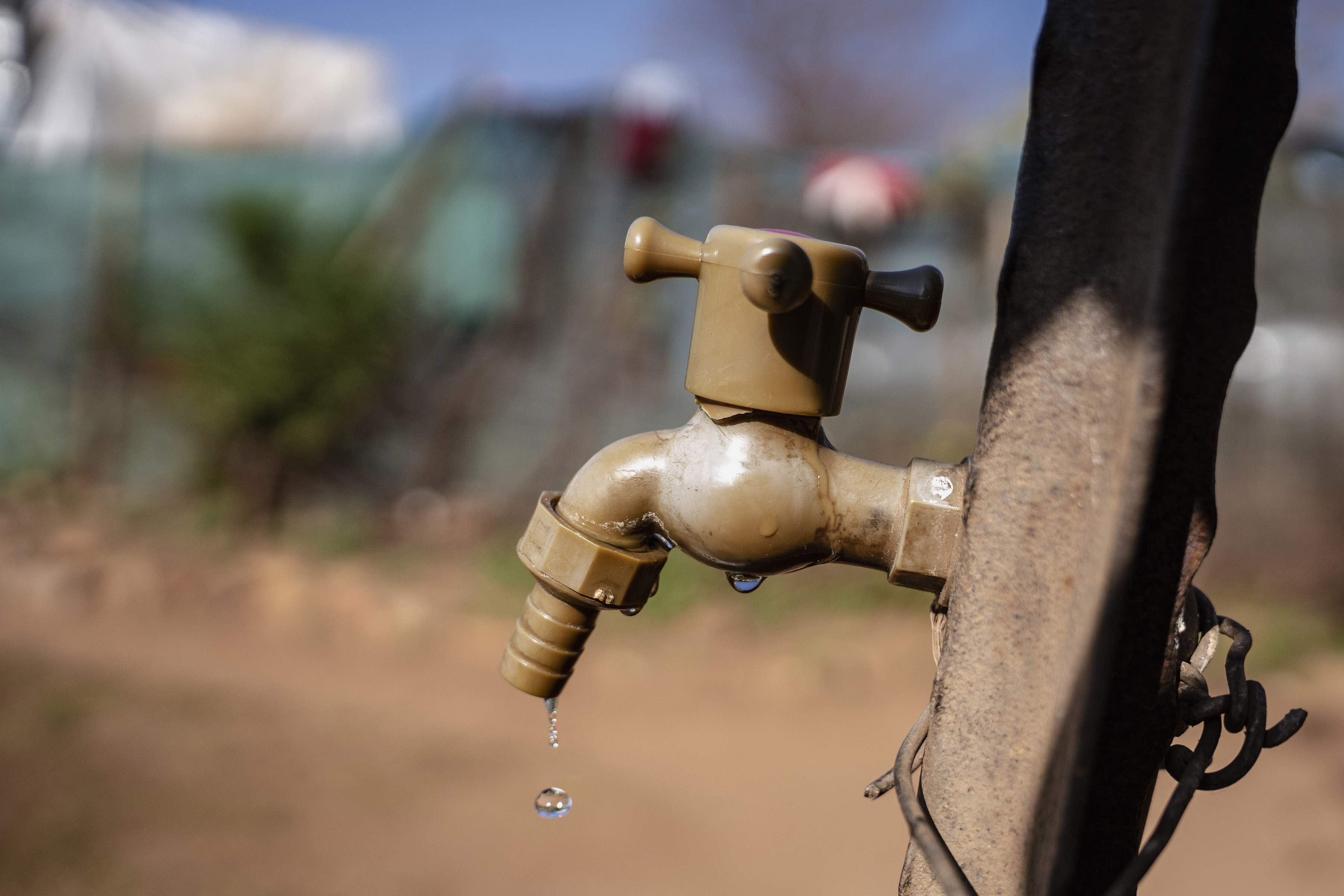
A communal standpipe in Johannesburg. Archive photo: Ihsaan Haffejee
Today, South Africans have an opportunity to wipe out mismanagement and corruption in local government.
Since June last year, we have reported from 28 municipalities in all nine provinces. The same problems crop up again and again: finances in disarray, unfinished infrastructure projects and roads in decay. But the starkest findings of our election series relate to water and sewage.
In more than half of municipalities that treat their own water, drinking water is rated poor or bad, or the municipality doesn’t test for compliance. In 78% of municipalities, treated sewage fails E. coli standards or isn’t reported on.
In many municipalities, raw or partially treated sewage flows into oceans and into the rivers and dams from which drinking water is drawn. Drinking water treatment works are not designed to cope with this level of pollution.
Some municipalities have clean water but fail to deliver it reliably, losing much of it to leaks and leaving residents without water for days at a time.
Arguably, national government has begun to turn the tide after the lost decade under Jacob Zuma (although much work still needs to be done to end corruption and rebuild state institutions). But the lost years of local government have yet to end.
Only 15% of municipalities received clean audits for 2024/25 Where there has been improvement over the past few years, it has been limited, inconsistent and far too slow.
In 2024/25, 116 municipalities had unfunded budgets. Many are unable to collect revenue for the services they provide. Residents and businesses owe municipalities R485-billion, much of which will never be collected. Municipalities in turn owe creditors R185-billion; Eskom alone is owed R111-billion.
Communities and economies cannot thrive in cities and towns run like this.
National government has started to become stricter on municipalities, withholding grants that are not properly spent. Some conditional grants, such as those for public transport and housing, are being paused or phased out because of municipalities’ failure to deliver.
But the decay will not stop unless the politics on the ground improve.
Some municipalities have been destabilised by poorly managed coalition governments and disingenuous small parties.
Others have been ruined by corrupt politicians who see the municipal budget as something to be plundered for themselves and friends or political allies. The violence in the run-up to the elections - 20 people have been murdered in political violence - shows how high the stakes are for those who want to get their hands on municipal power and funding.
We need politicians who will appoint competent people to run municipalities, and who will hold those guilty of mismanagement and corruption to account.
Wednesday’s local election matters a great deal. It is at the local level that elected officials can make the biggest difference to people’s lives.
We cannot tell you whom to vote for. But we implore you to vote for the candidate most likely to improve your neighbourhood and town.
Support independent journalism
Donate using Payfast

Don't miss out on the latest news
We respect your privacy, and promise we won't spam you.
Next: Asylum seekers could lose Tshwane refugee office
Previous: GroundUp calls on police to protect journalists covering anti-immigrant protests
© 2026 GroundUp. This article is published under the GroundUp Republication Licence Version 1.0. Email [email protected] to request permission to republish.