
In photos: Not your usual ballroom dance
“To celebrate queerness in its entirety … is something very special.”
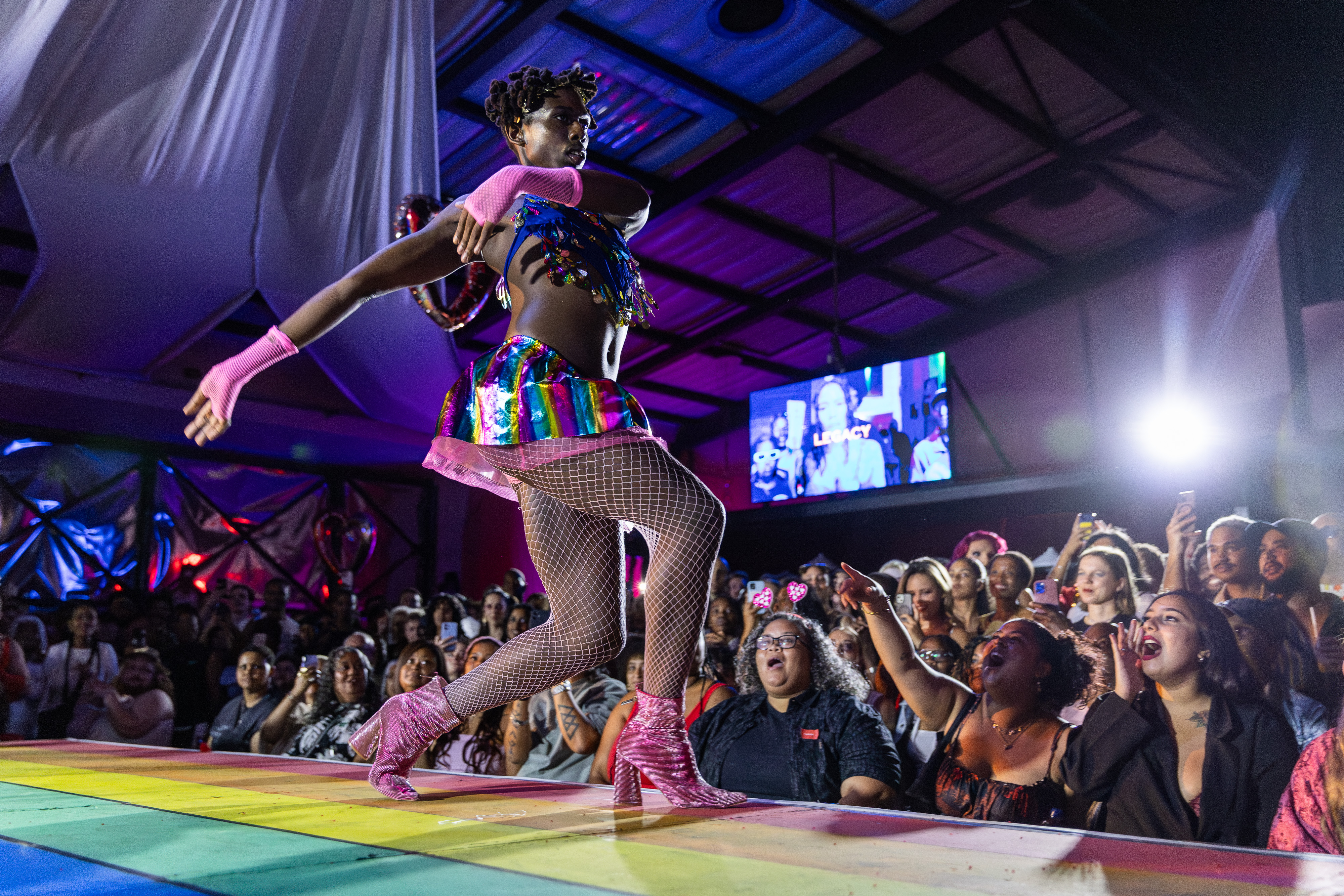
Tebogo Ninja competed in the Vogue Femme category at the LEGACY Love Pride Ball at the Old Biscuit Mill in Woodstock on Saturday.
The word “ballroom” may evoke images of people in evening wear dancing hand-in-hand. But a ballroom event in Cape Town on Saturday, 7 February, was nothing of the sort.
Ballroom culture in the queer community has its origins in the US, where it developed throughout the 20th century as an underground LGBT+ subculture in African-American and Latin communities.
The LEGACY Love Pride Ball at the Old Biscuit Mill in Woodstock saw people from different “houses” strutting their stuff on a runway in extravagant costumes. It is one of many ballroom events held throughout the year. There are LEGACY balls every two months.
There were no waltzes, tangos or foxtrots. Instead, participants competed before a panel of judges in categories such as Vogue Femme, a stylised and technical dance form; Face, in which the participant’s face becomes the main feature of the performance; and Sex Siren, where sex appeal, confidence and allure are on display.
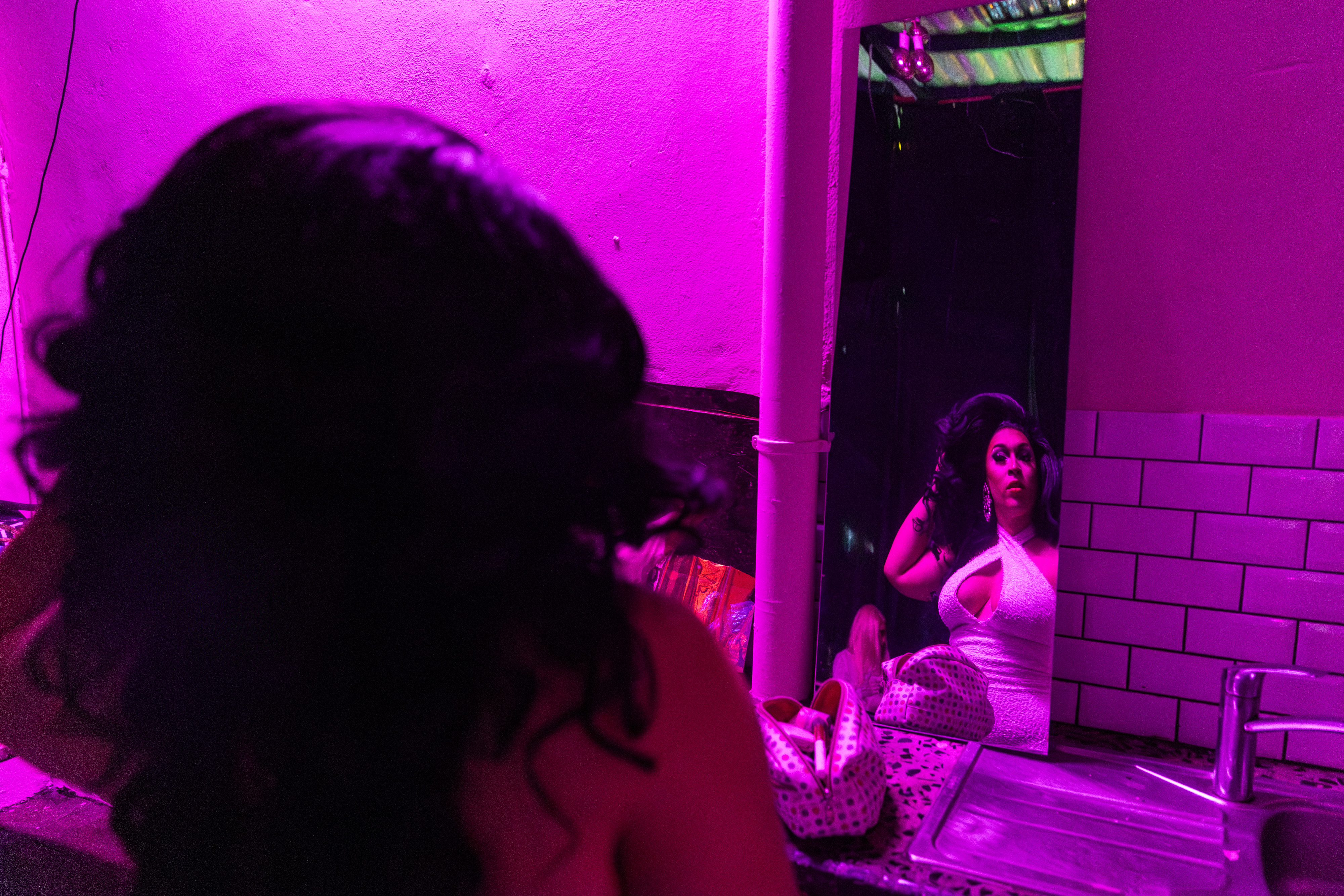
Maxine Wild touches up her hair and make-up.
“The ballroom community for me, it’s all about family … It’s [about] supporting one another [and] expressing yourself in whatever way you feel,” said Maxine Wild, a drag queen and trans woman.
She is also the mother of “The House of Wild”, one of the many houses in Cape Town’s ballroom scene. Although people compete individually, they are often members of houses, which are almost like sports teams, providing support with preparation for performances, including dance classes and workshops.
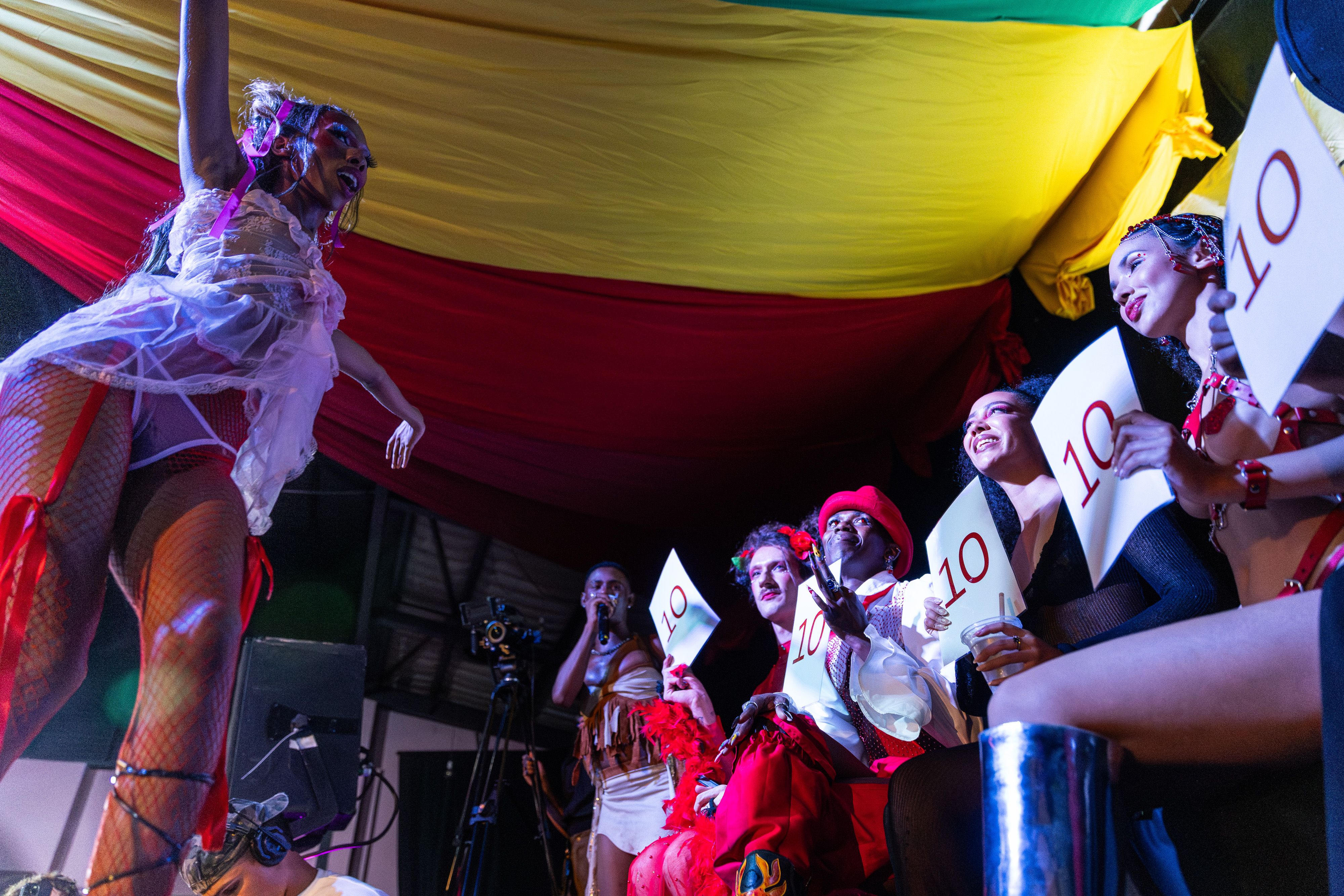
Cay Le Fay gets a perfect score in the Vogue Femme category. Judges either score contenders with a “10” (great) or an “X” (terrible) — there is no in between.
Houses are also seen as “chosen families” because of the social support they provide. Wild says many of the members of her house come from places where their queerness is shunned. Some have been kicked out by their families.
Ballroom creates a space where “you can create your own family, your chosen family,” said Wild. “Sometimes your chosen family means way more to you than your biological family.”
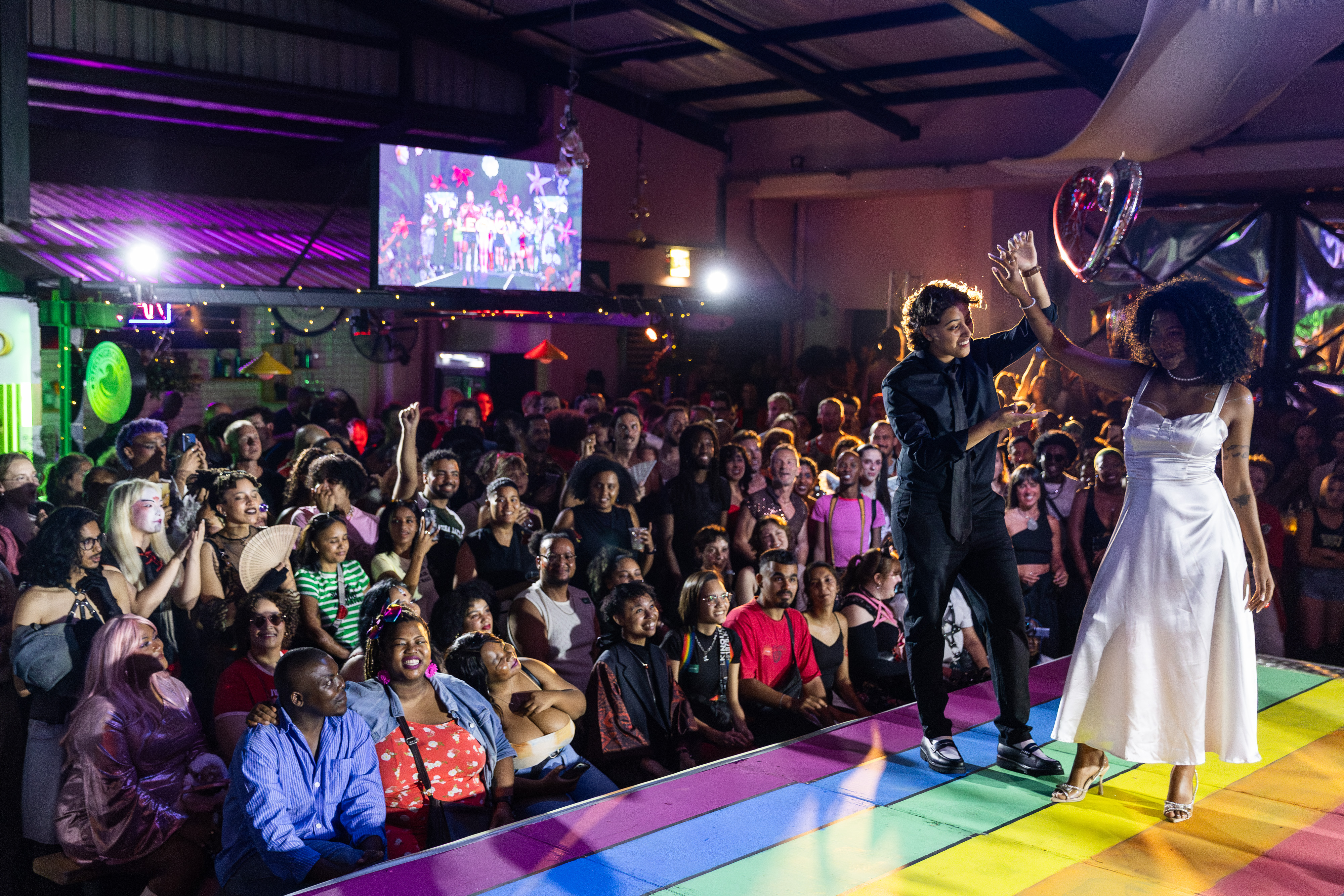
A couple walks during the “Realness” (couples) segment.
The LEGACY balls were started by Rori Bingham and Léa Debbah. The events are organised by Edition Events.
The first event was in 2021, but a ballroom culture has existed in Cape Town for more than eight years. There are also active ballroom scenes in Johannesburg and Gqeberha.
“There are various queer communities that are now coming together under one roof … to celebrate queerness in its entirety, and that is something very special,” says Bingham.
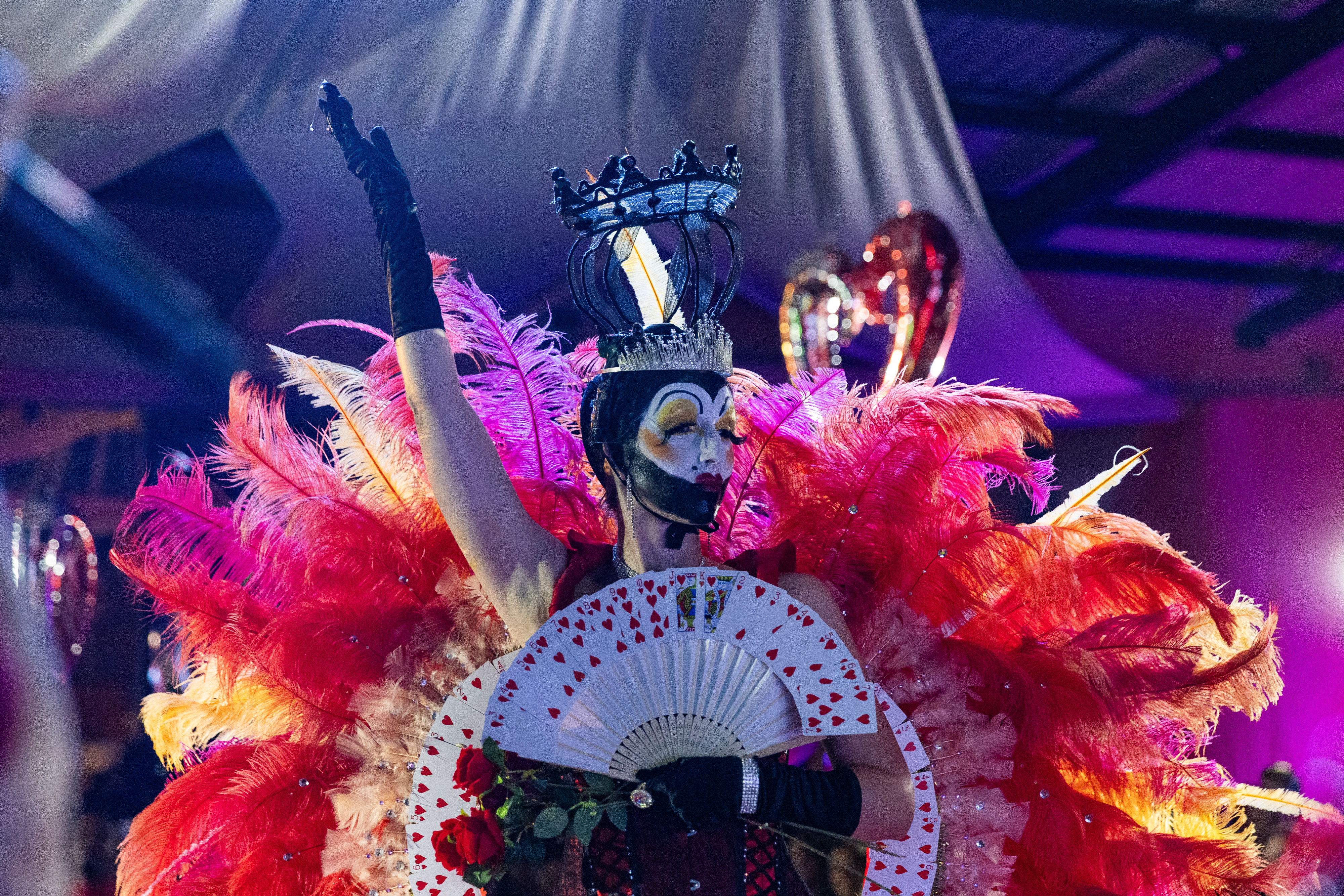
Drag queen Lady Angelica Macdeath in an elaborate costume for the “best dressed” category. For Saturday’s event, this category was themed “Drag King and Drag Queen of Hearts”.
Bingham says he started the event after the death of Kirvan Fortuin, a dancer, choreographer and LGBT+ activist who was murdered in 2020.
Fortuin was the founder of the House of Le Cap, of which Bingham was a member. After Fortuin’s murder, Bingham wanted to honour the legacy of his friend, so he called the event LEGACY.
Bingham’s dream is to connect queer communities across South Africa, bringing them together to participate in Legacy functions. He also wants to make ballroom classes and events more accessible for poorer communities.
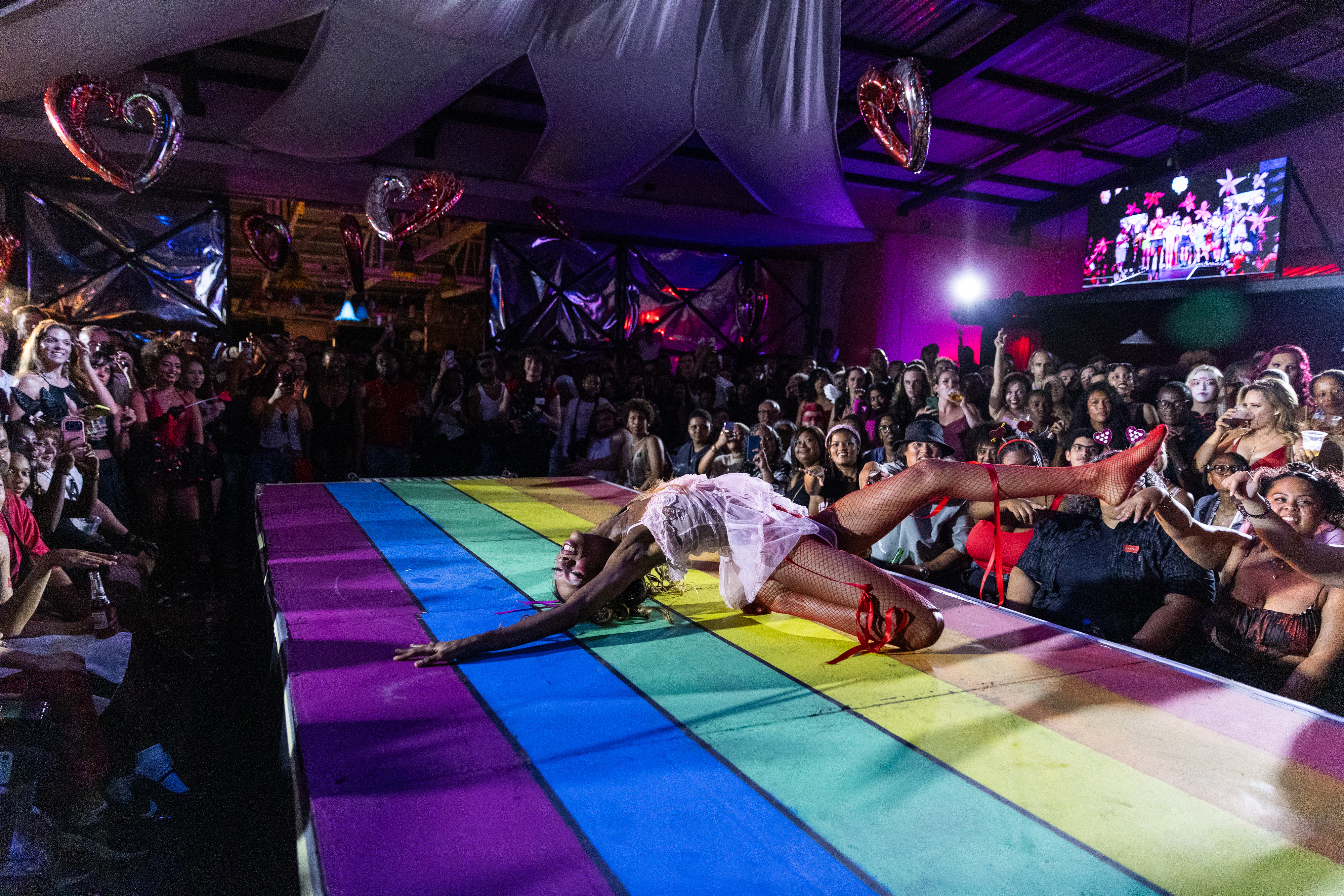
Cay Le Fay on the walkway during their Vogue Femme performance.
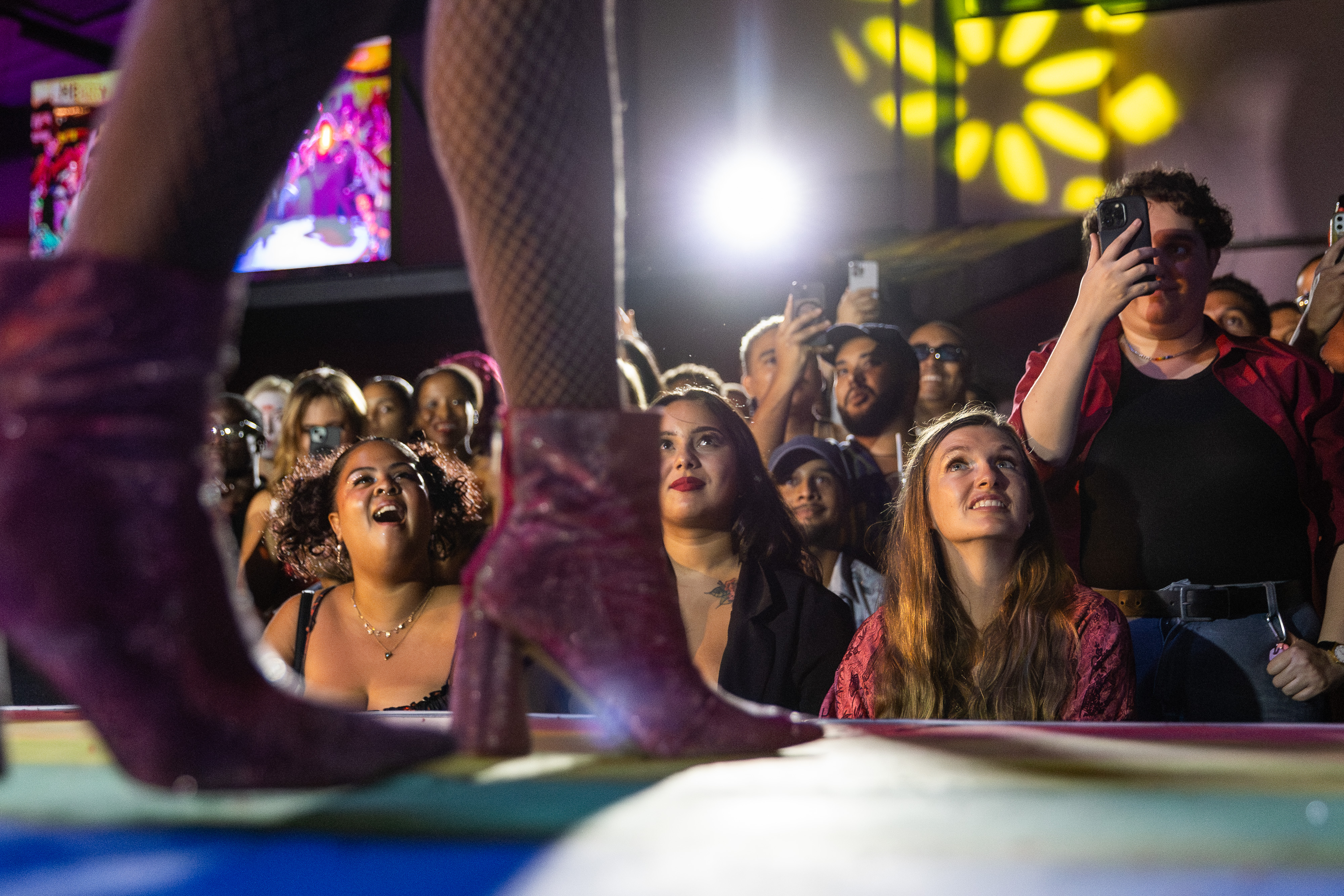
The crowd watches in awe as performers strut their stuff.
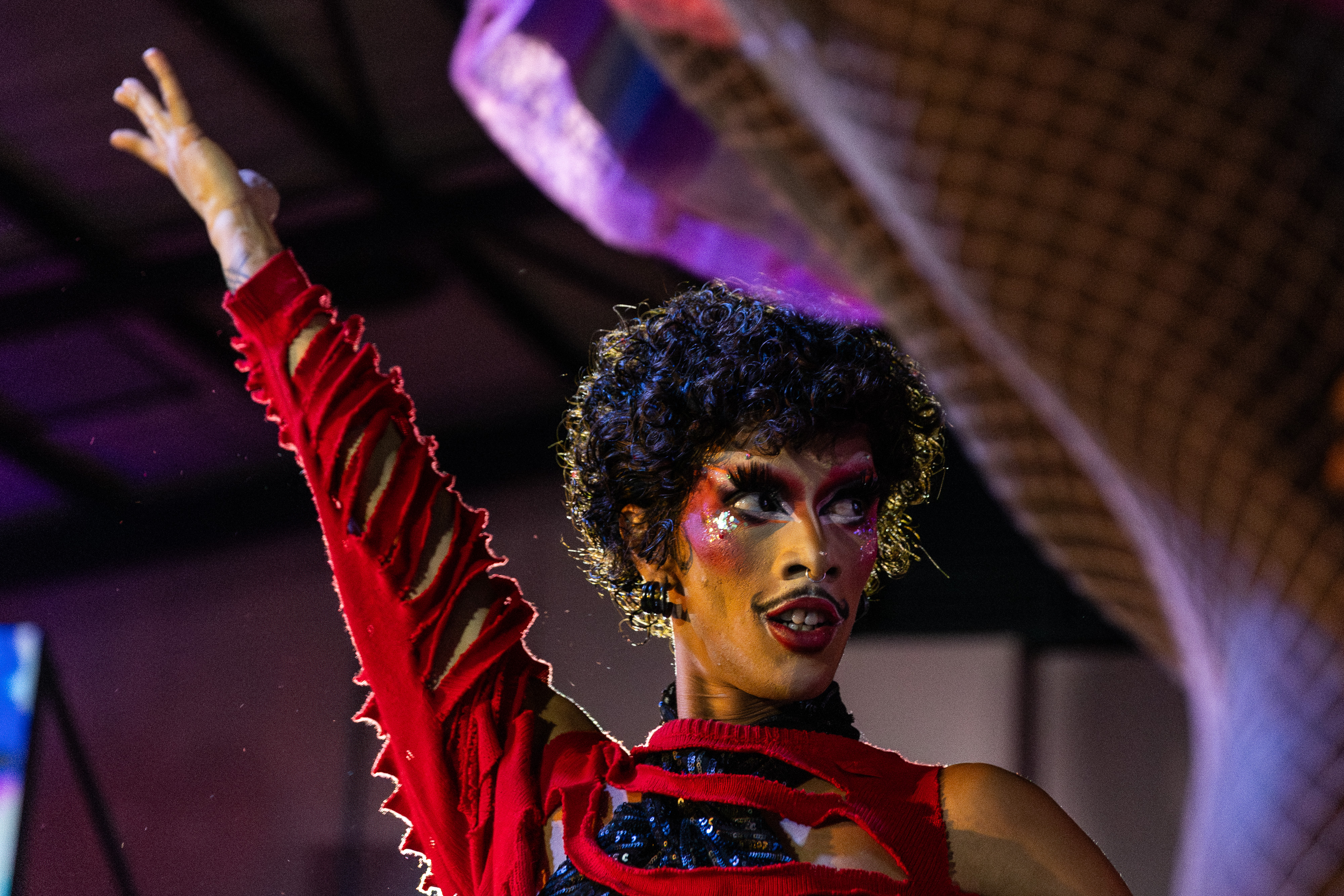
Drag performer Ina Propriette in the Vogue Femme category.
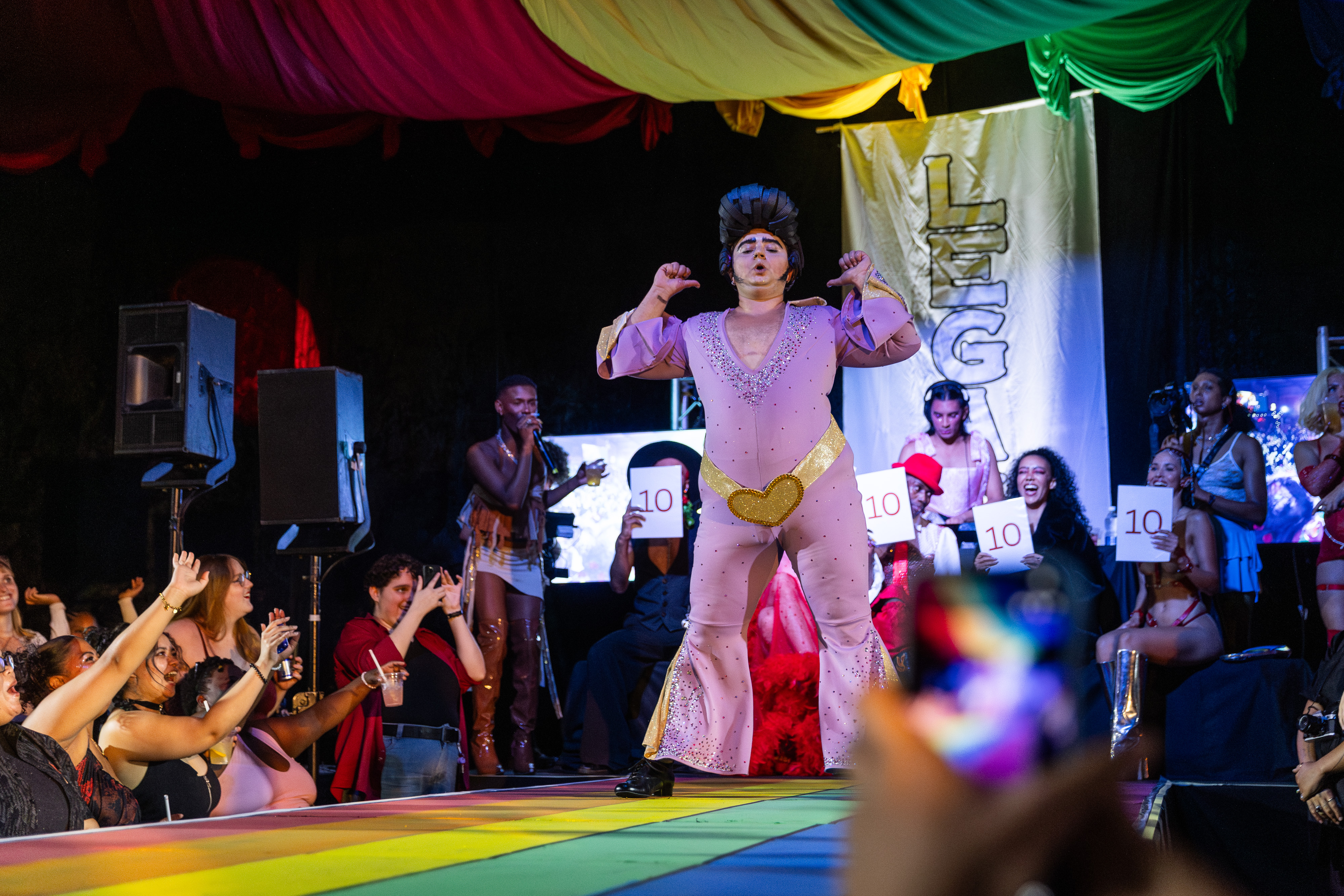
Drag king Forest Rose competes in the Best Dressed Category in an Elvis-inspired costume.
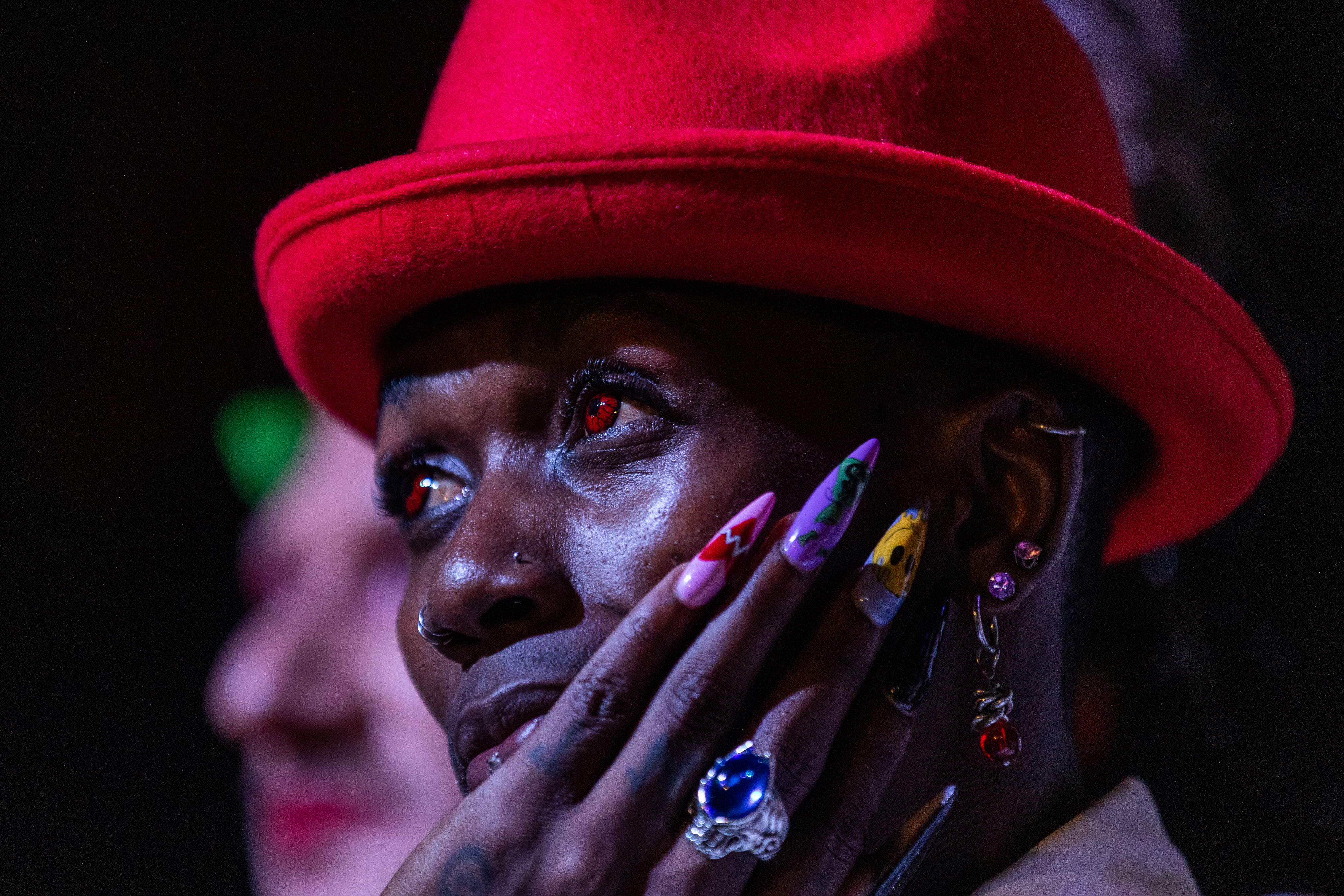
Tylor Spelman, one of the judges at the event, watches a performance closely.
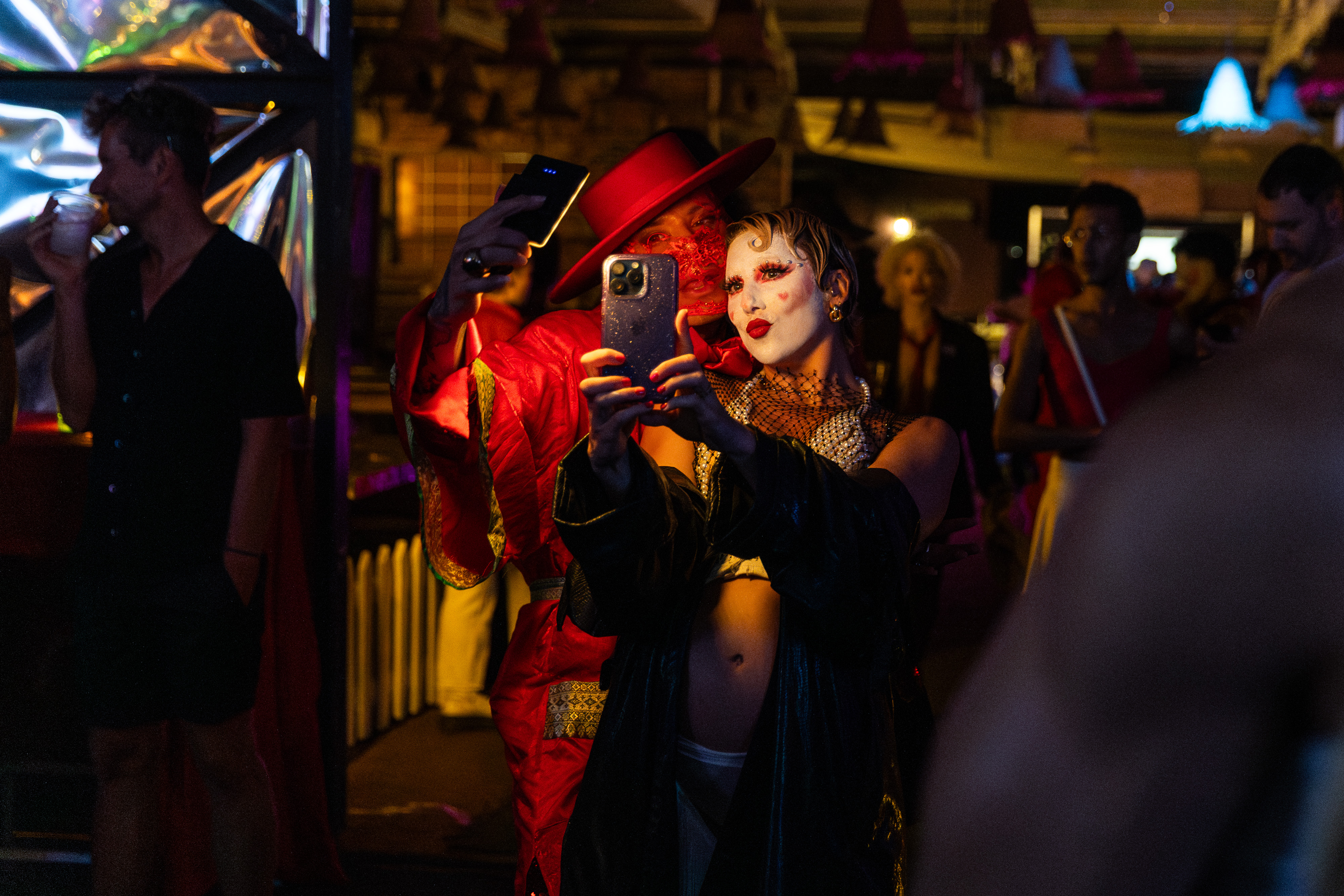
Hunter Blue and Daisy May take pictures in between performances.
Support independent journalism
Donate using Payfast

Don't miss out on the latest news
We respect your privacy, and promise we won't spam you.
© 2026 GroundUp. This article is licensed under a Creative Commons Attribution-NoDerivatives 4.0 International License.
You may republish this article, so long as you credit the authors and GroundUp, and do not change the text. Please include a link back to the original article.
We put an invisible pixel in the article so that we can count traffic to republishers. All analytics tools are solely on our servers. We do not give our logs to any third party. Logs are deleted after two weeks. We do not use any IP address identifying information except to count regional traffic. We are solely interested in counting hits, not tracking users. If you republish, please do not delete the invisible pixel.