
Exceptional El Niño puts southern Africa on drought alert
Pacific Ocean temperatures far above normal raise the risk of low summer rainfall, heatwaves and pressure on food production.
 Add GroundUp on Google
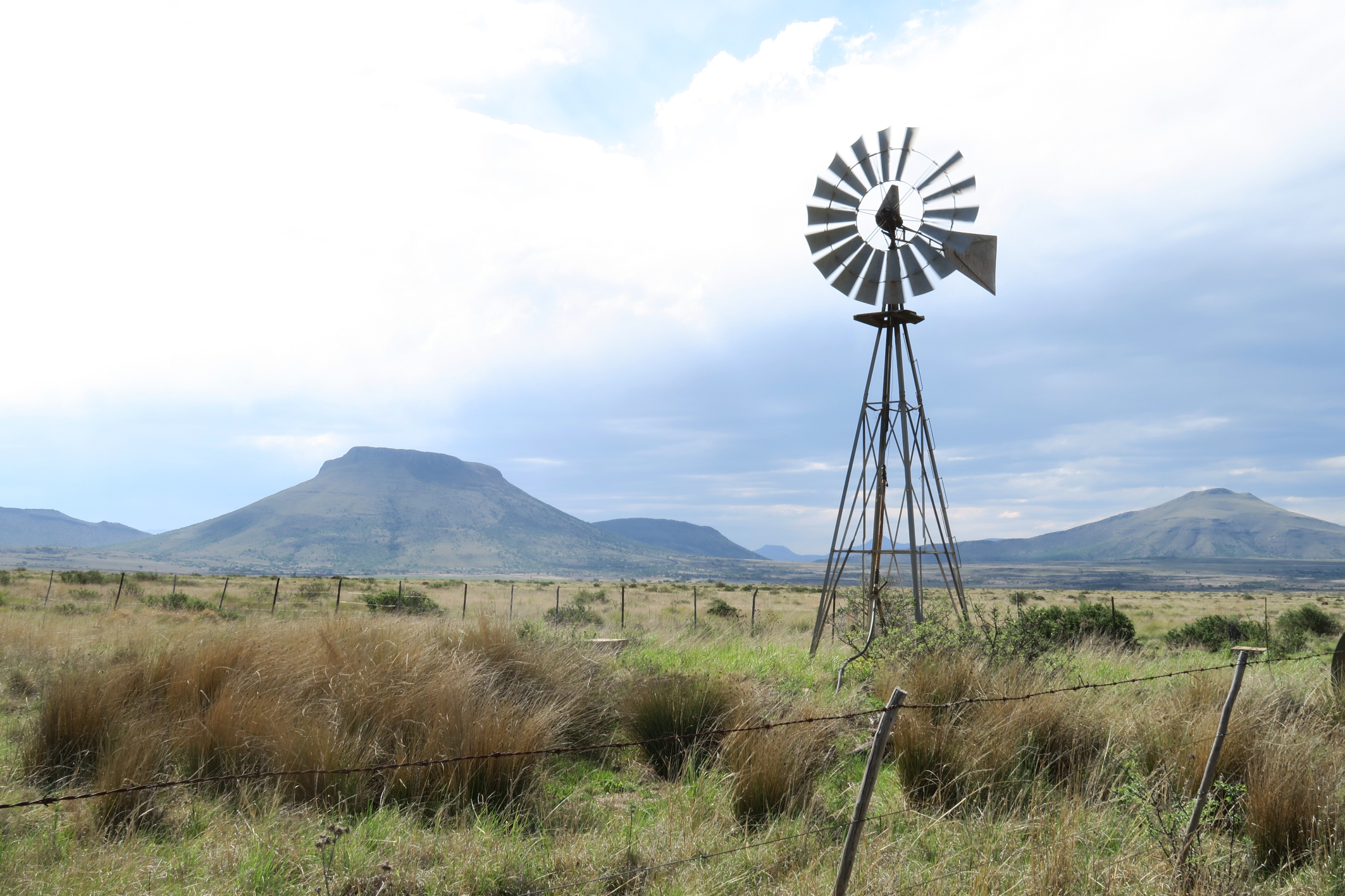
Water resources need to be conserved and protected as southern Africa braces for the likelihood of a dry, hot summer which may be unprecedented. Photo: Steve Kretzmann
The rate at which the Pacific Ocean surface waters are warming in the current El Niño cycle is “highly unusual”, the South African Weather Service has warned. Existing temperature records are being broken.
The El Niño-Southern Oscillation (ENSO) is a cyclical but irregular climate phenomenon caused by warming surface water in the Pacific Ocean. This impacts various parts of the globe differently, but it usually spells hotter and drier conditions in southern Africa’s summer rainfall areas.
In a press conference on Friday morning, climatologists were careful not to overstate how dry the coming summer could be, but the weather service noted this 2026/27 El Niño is “an exceptional event in both its timing and magnitude”.
Meteorology Professor at the University of Pretoria Willem Landman said the last El Niño over the summer of 2023/24 was classified as very strong, “but there were actually pockets where rain wasn’t too bad”.

Landman said that while an El Niño is highly predictable, the consequences are harder to predict. For instance, rainfall had remained normal in two of the last seven El Niño events.
But the strength and early onset of this El Niño were “really quite unique”.
He said an El Niño is considered moderate when Pacific surface temperatures are 1ºC above normal, and strong when 1.5ºC above normal. At 2ºC above normal, an El Niño is classified “very strong”.
In August and September, the surface temperature was 32ºC, up to 3.5ºC above normal.
Not only was this very hot, it was also very early in the cycle.
The weather service stated that “current observations and forecasts indicate that the event may reach a magnitude unprecedented in the instrumental record”. It is expected to peak late this year or early next year.
Weather service lead scientist Dr Christien Engelbrecht said there was an increased likelihood of below-normal rainfall from December to February, and heatwaves were highly likely.
Senior climate science researcher at the Agricultural Research Council Dr Johan Malherbe said maize yields commonly dropped in El Niño years, and grazing was also affected. This could see a “big jump” in the price of white maize, a staple food in southern Africa.
Malherbe said farmers should plant less maize to limit losses if drought sets in. Cattle farmers could sell stock before grazing deteriorates. Agricultural extension officers need to communicate with small-scale and subsistence farmers to plan mitigation.
Support independent journalism
Donate using Payfast

Don't miss out on the latest news
We respect your privacy, and promise we won't spam you.
Next: South African journalist Micah Reddy missing in Djibouti
Previous: Traders, taxi drivers welcome long-awaited Nyanga rank upgrade
© 2026 GroundUp. This article is published under the GroundUp Republication Licence Version 1.0. Email [email protected] to request permission to republish.