
Premier Foods factory closure: talks break down
CCMA to rule on union representation
 Add GroundUp on Google
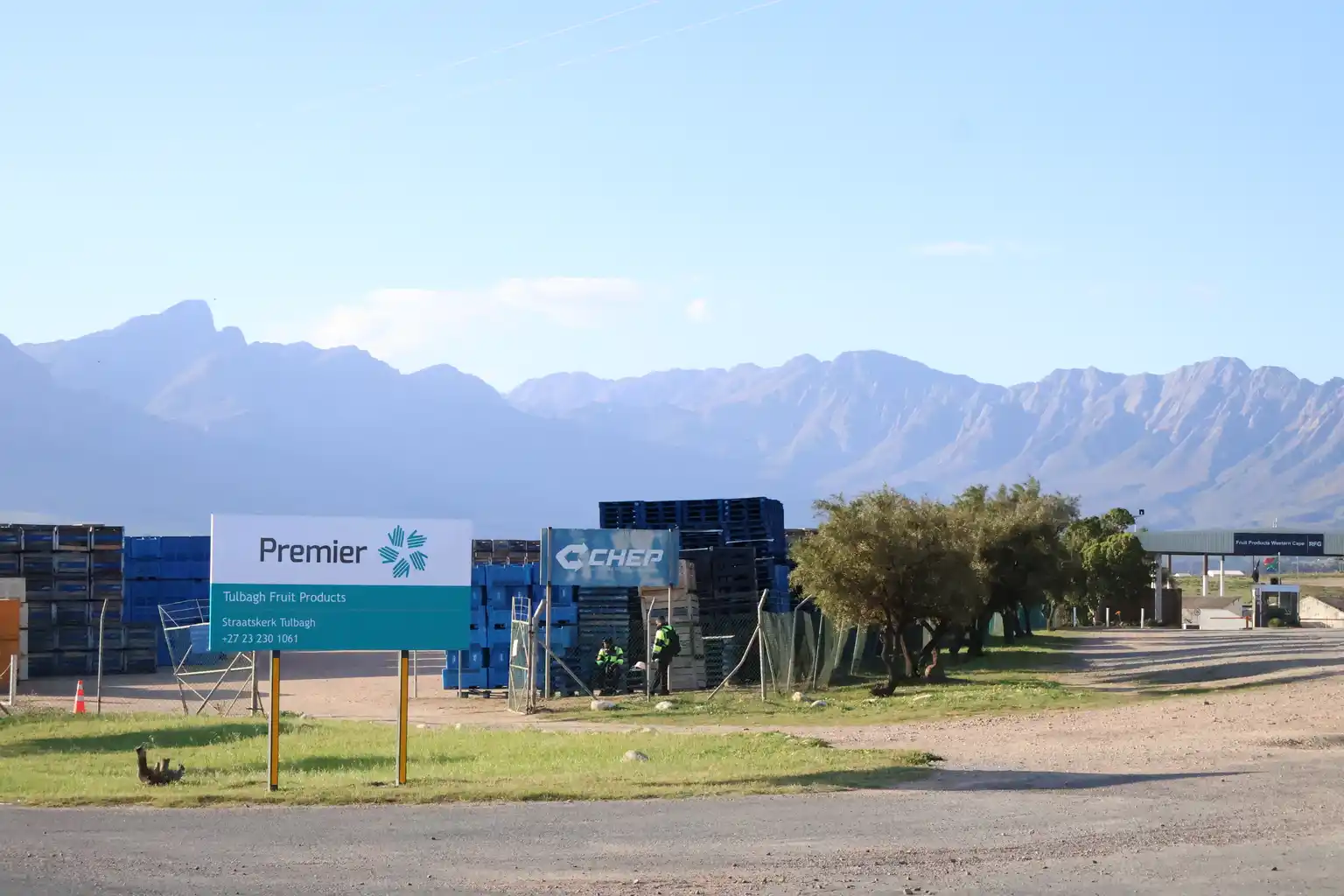
Talks between Premier Foods and unions over the planned closure of the fruit canning factory in Tulbagh, Western Cape, have broken down. Photo: Greg Dor
- Talks at the Commission for Conciliation, Mediation and Arbitration between Premier Foods and unions over the closure of the Tulbagh canning factory have broken down.
- Premier acquired the factory when it took over Rhodes Food Group in a merger approved by the Competition Tribunal in March.
- The unions have accused Premier of breaching the conditions of the merger set by the tribunal.
- The Competition Commission is investigating.
- The closure would affect 424 employees, according to Premier.

Talks at the Commission for Conciliation, Mediation and Arbitration (CCMA) over the proposed closure of the Premier Groups’ fruit canning factory in Tulbagh have broken down.
According to Agricultural, Food and Allied Democratic Workers’ Union (AFADWU) Western Cape provincial secretary Nyaniso Gqalaqha, who was part of the talks on 26 August, Premier objected to two of the worker representatives joining the talks.
The deadline for the end of the consultation period between Premier and the unions at the CCMA is 26 September.
Gqalaqha said Premier objected to the participation of the COSATU Western Cape provincial secretary Malvern de Bruyn, who had been part of the previous round of talks. The company also objected to the presence of one of the union’s shop stewards, arguing that he was a seasonal and not a permanent employee and could not participate in negotiations as an AFADWU representative.
The dispute was referred to the commissioner, who stopped the proceedings and is expected to rule on the matter before talks resume on 8 September.
In response to GroundUp, Premier said only that the consultation process over the closure of the factory “remains ongoing”. The company said that in order to “respect the integrity of the consultation process” it would not comment further.
“Premier remains committed to engaging in good faith,” the company said. It said it was exploring “practical solutions and opportunities for the future” of affected employees, farmers, suppliers, the community and the wider value chain. The closure of the factory would affect 246 permanent employees and 178 fixed-term employees – 424 workers in total, according to Premier.
Gqalaqha, however, said there had been no further discussions about alternatives to closure. He said even if a new buyer was found, it would be too late for the next apricot season, starting in November.
The union and COSATU, to which AFADWU is affiliated, have called for the closure process to be suspended for at least a year to allow time for alternatives to be investigated.
COSATU, with input from another of its affiliates, the Southern African Clothing and Textile Workers’ Union (SACTWU), is also querying Premier’s handling of the closure on competition law grounds.
On 6 March, the Competition Tribunal approved the merger of Premier and the Rhodes Food Group, which owned the Tulbagh plant. The approval was subject to conditions, including that no employee should be retrenched as a result of the merger during a three-year moratorium period. A clause inserted at the request of SACTWU stipulates that workers and unions do not have to prove that retrenchments are linked to the merger; the burden to prove otherwise lies with Premier.
However, the conditions do allow retrenchments for operational requirements unrelated to the merger, and Premier’s position is that the closure of the plant is an operational and financial decision and not the result of the merger.
The Competition Commission told GroundUp it is investigating whether the closure breaches the conditions attached to the merger approval, and whether all relevant information was disclosed to the commission during the merger investigation. If a breach is found to have taken place, the competition authorities can impose a fine of up to 10% of the firm’s annual turnover in South Africa and its exports from South Africa in the preceding financial year, or revoke approval of the merger, the commission said.
It hoped to finalise the investigation within the next three months.
Meanwhile, COSATU and affiliated unions plan to picket outside Premier Group’s annual general meeting in Midrand on 9 September.
Support independent journalism
Donate using Payfast

Don't miss out on the latest news
We respect your privacy, and promise we won't spam you.
Next: Climate Week kicks off with a train trip from Cape Town to Khayelitsha
Previous: Durban train usage down 41% in one year
© 2026 GroundUp. This article is published under the GroundUp Republication Licence Version 1.0. Email [email protected] to request permission to republish.