13 August 2026
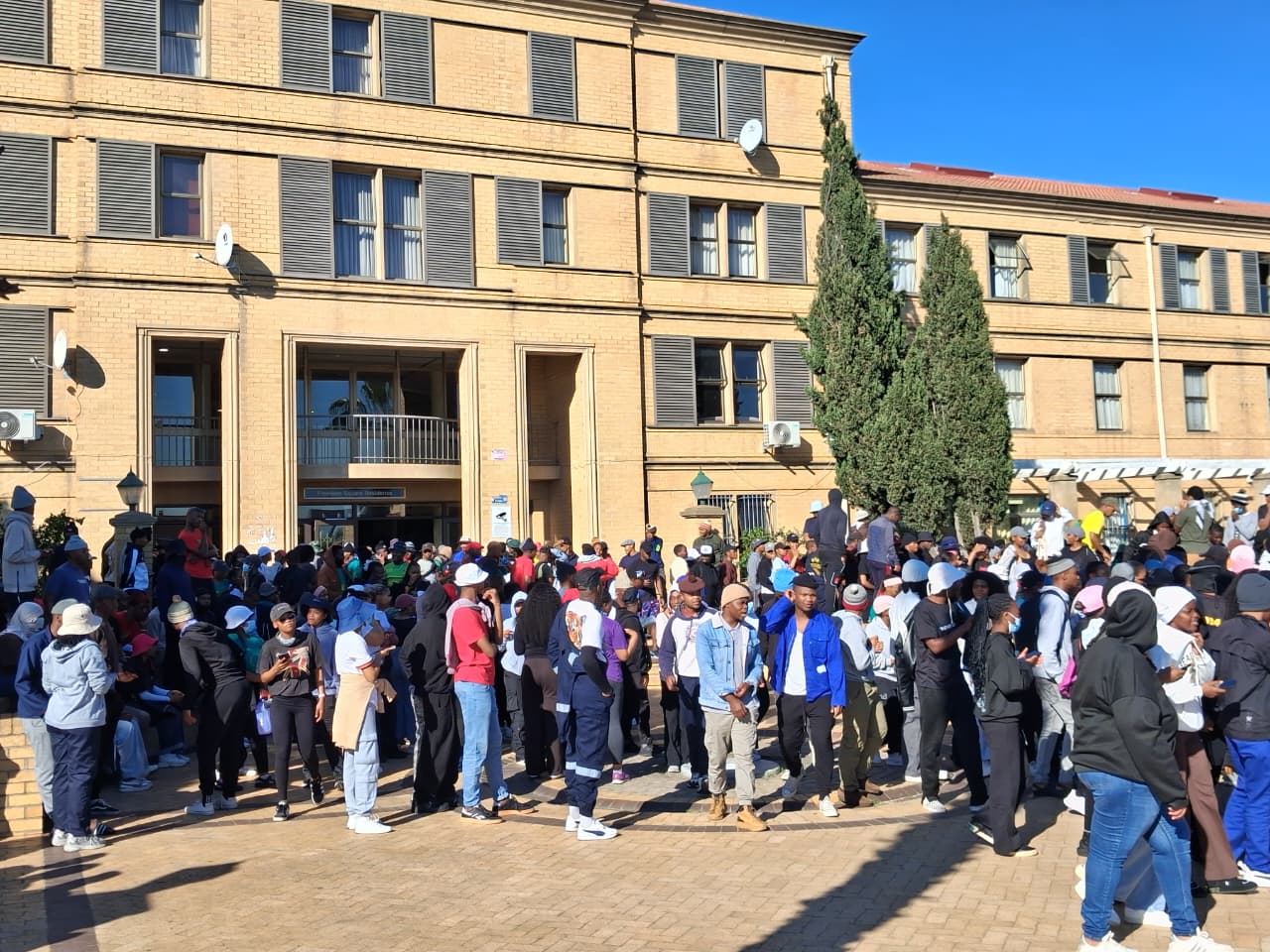
Hundreds of students protested at CPUT’s Bellville campus on Wednesday. Photo: Emihle Ngwane
Two days of student protests have forced the Cape Peninsula University of Technology (CPUT) to withdraw its draft 2027 financial recovery plan which proposed that students pay up to R7,000 to register for the new academic year.
CPUT has the highest student debt of all universities, totalling R4.2-billion in May 2026. It has withheld about 16,200 transcripts from students in arrears.
On Tuesday, a tyre was set alight at the entrance gates to the District Six campus. CPUT shuttle services and physical classes were suspended.
On Wednesday, hundreds of students marched to the Bellville Campus to hand over a memorandum of demands to Vice-Chancellor Professor Chris Nhlapo.
The march, led by the central SRC, was joined by student organisations including Pan Africanist Student Movement of Azania, Economic Freedom Fighters Students’ Command and uMkhonto weSizwe Student Movement.
They called for the withdrawal of the 2027 financial recovery plan and the release of academic transcripts and graduation certificates withheld from students. They said this applied particularly to those students who live in CPUT’s residences that cost more than the NSFAS cap of R52,000 a year and have to pay the difference.
CPUT media liaison officer Lauren Kansley said the protests caused damage to property and violence, including a female security staff member being struck in the face with a brick.
Kansley said the vice-chancellor received the memorandum, but expressed concern over how the handover unfolded. She said management had been willing to engage with student representatives, but the situation became unsafe during the attempted handover.
The CPUT council held a special sitting on Wednesday night and resolved to withdraw the draft plan for further consultation, said Kansley.
“We expect that all protest action should stop immediately,” she said.
The proposed financial recovery plan involved a minimum initial payment of R3,500 for new students to register in the academic programme, and another R3,500 payment for students staying in residences.
This would apply only to self-funded students and not NSFAS-funded students, said Kansley. It would affect mostly new students and students studying towards postgraduate qualifications. The payments would be credited towards students’ fees for the year.
The plan would also scrap the current acknowledgement-of-debt system. Many students signed agreements to pay their debts in small, manageable amounts but have not been honouring the arrangement.
A second-year tourism management student who asked not to be named told GroundUp that many students depend on NSFAS and come from households where parents are unemployed.
“I think the memorandum is fair and as students we reject paying R7,000 upfront in January,” he said.
He said the proposed financial changes could prevent students who qualify to study from registering.
“It helps CPUT with their financial strain, but it blocks access to education for the students,” he said. “If a student has passed and graduated, they should be able to get their transcripts.”
He described council’s decision to withdraw the plan as a win for students, but said students still needed answers about the release of results and certificates.
A civil engineering student said he was from an underprivileged household and community and self-funded. He currently lives in a CPUT residence and owes the university more than R100,000. He said the proposed payment requirements would be unaffordable for many students.
He said the proposed financial recovery plan would affect students financially and emotionally because of the stress of trying to find money.
