3 September 2026
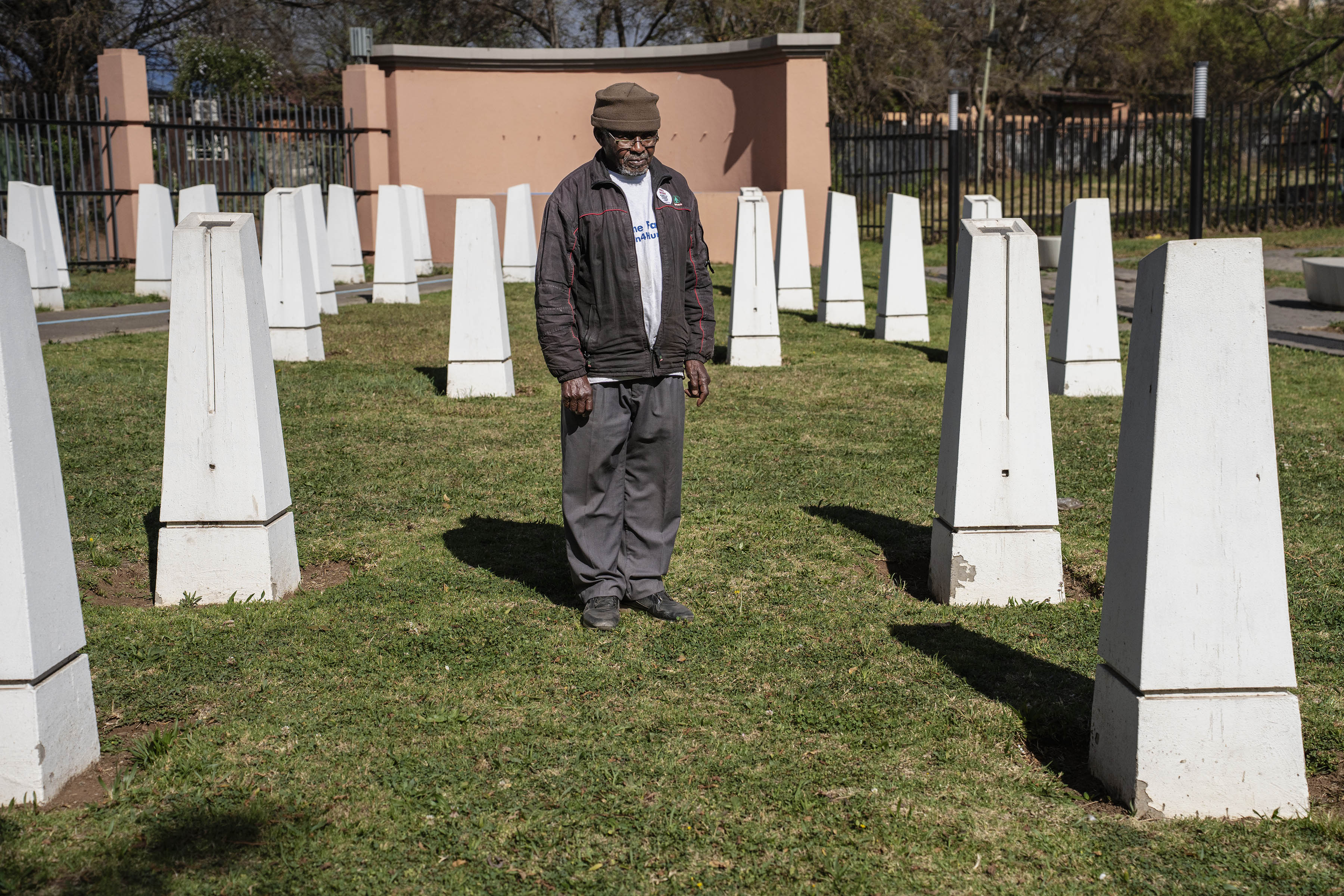
Sekolotsa Abram Mofokeng was 20 years old when he was shot by police on 21 March 1960 in the Sharpeville Massacre. He was later arrested in hospital. The bullet is still lodged in his body. Photos: Ihsaan Haffejee
Survivors and family members of victims of the Sharpeville Massacre have launched a class action against the government. The massacre on 21 March 1960, saw at least 91 people killed and 238 wounded after police opened fire on a large crowd of peaceful protesters. The protest was against “pass laws” requiring Black South Africans to carry passbooks in order to be in certain areas.
The class action is a direct challenge to the Indemnity Act of 1961, passed by the apartheid regime to indemnify police officers and the state from prosecution, essentially preventing legal action by survivors and the dependants of those killed. The law was never repealed.
The applicants seek an order declaring the Act to be inconsistent with the Constitution and invalid.
According to Nabeelah Mia, national director for Lawyers for Human Rights, which is bringing the class action, the Indemnity Act is still operational. Should it be struck down through the class action, survivors and dependants of the massacre should be able to seek compensation from the government.
Vincent Thamae from Voices of Sharpeville said for years the community of Sharpeville had been calling for compensation for all victims, and that the process had not been an easy one.
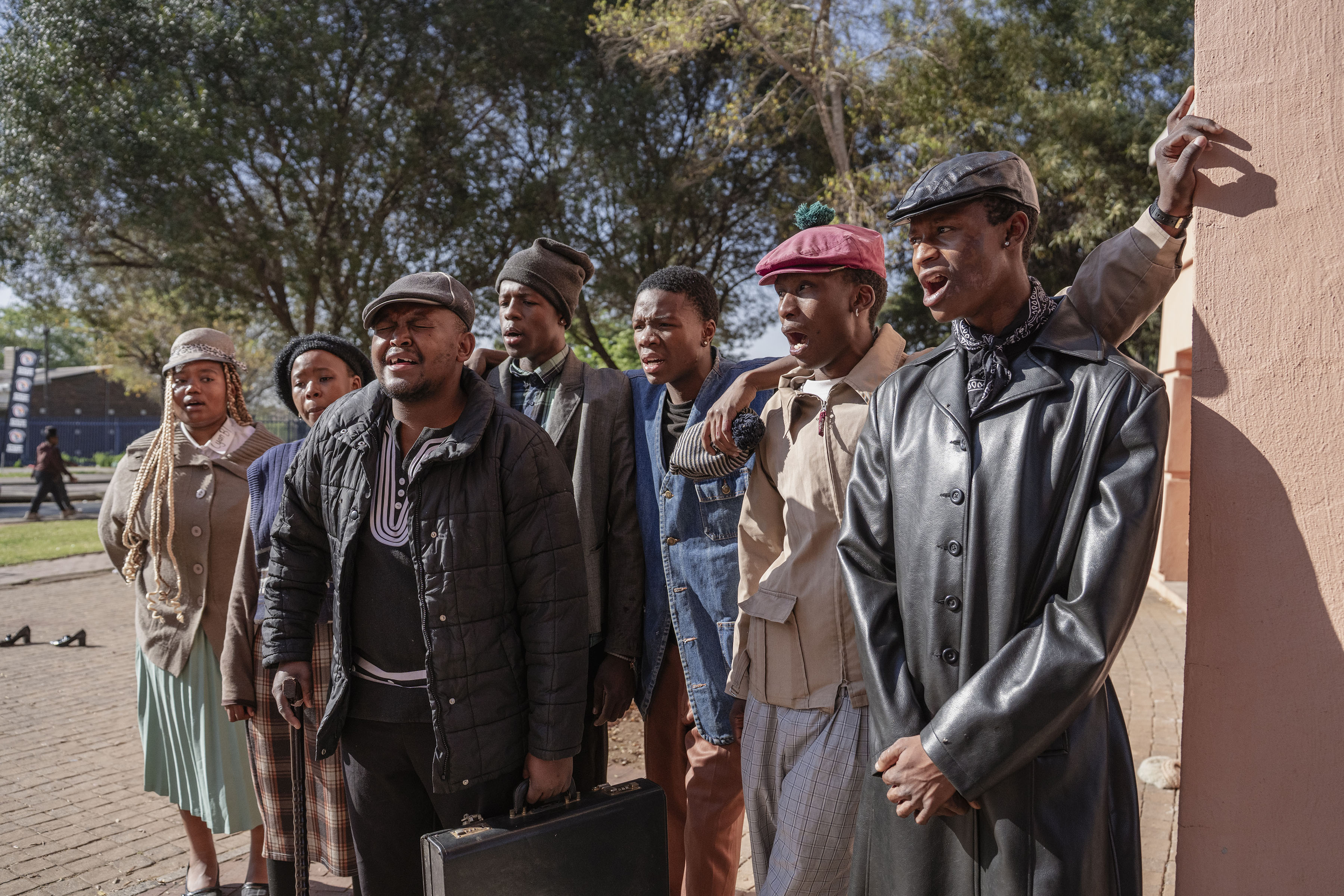
Local youth staged a re-enactment of the Sharpeville Massacre at the Sharpeville Memorial.
On Thursday, activists, survivors and family members of victims staged a “silent walk of witness”, following the same route the Sharpeville protesters had taken. They then proceeded to the Sharpeville Memorial, where music, dance and messages of solidarity were shared.
Some participants were daubed with red paint and lay on the ground, depicting those shot in 1960.
Khulumani Support Group, which represents victims of apartheid crimes and some of whose members are part of the class action, also attended.
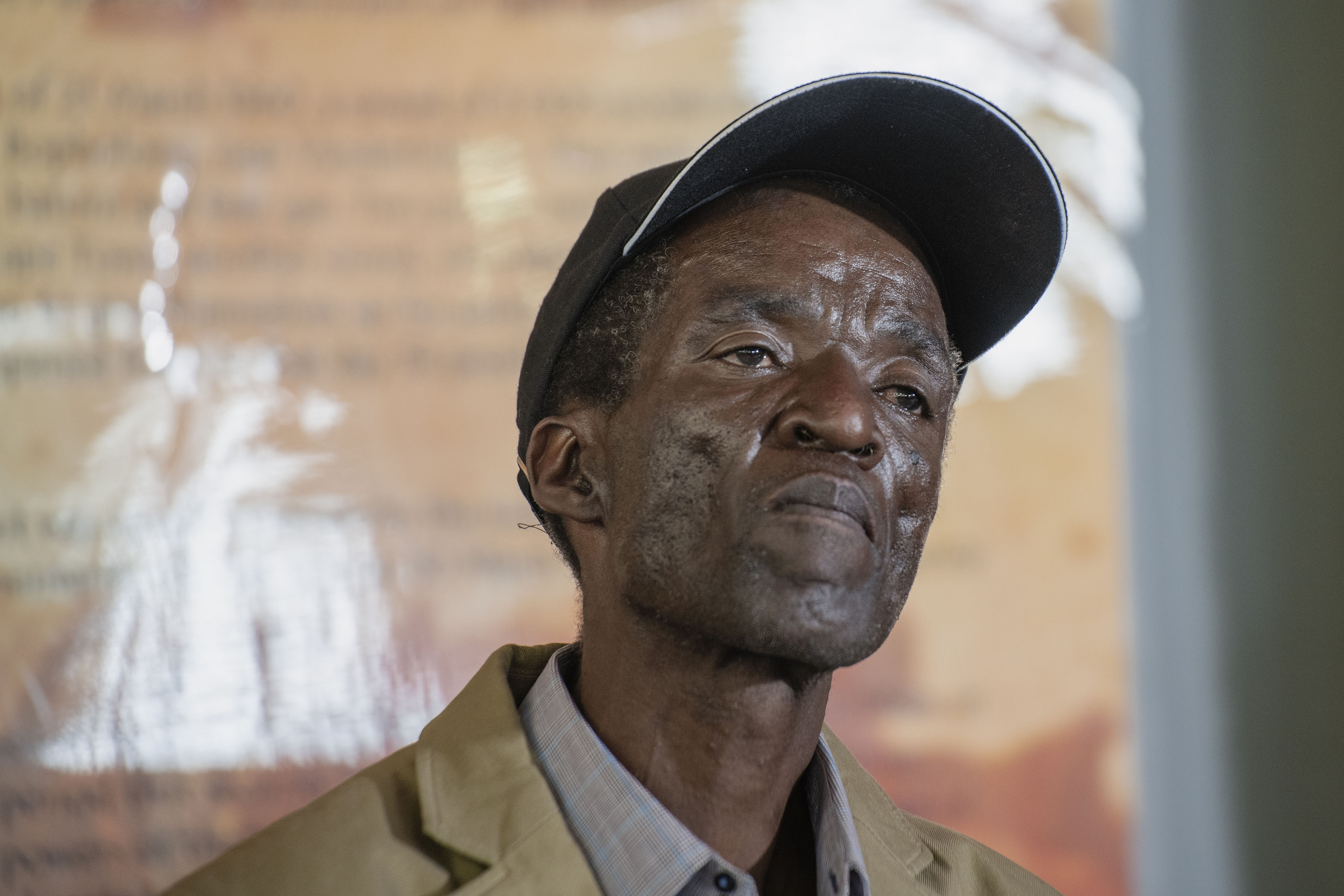
Vincent Thamae, a local resident, supports the massacre victims and their families through the organisation, Voices of Sharpeville, which has been collecting testimonies since 2018.
Sekolotsa Abram Mofokeng, 86, who participated in the 1960 protest, said many of them carried their passes to surrender them at the police station. They sang the songs – Mayibuye iAfrica and Senzeni Na. Then police opened fire. He was shot.
He remembered many people around him were bleeding. He was later arrested while recovering in hospital. Mofokeng still has the bullet inside his body.
Elizabeth Chabili, 77, was 11 years old in 1960. She had been sent home from school due to the unrest. She went to the police station to look for her mother, who joined the march, when a bullet hit her hand. She lost a finger and has struggled to use her left hand ever since. Chabili said she wished to receive compensation for her disability.
Ishmael Poho said he was six when his father was killed in the massacre. It took three days to find his body. The family was left struggling. He said he wanted justice for his father’s death.
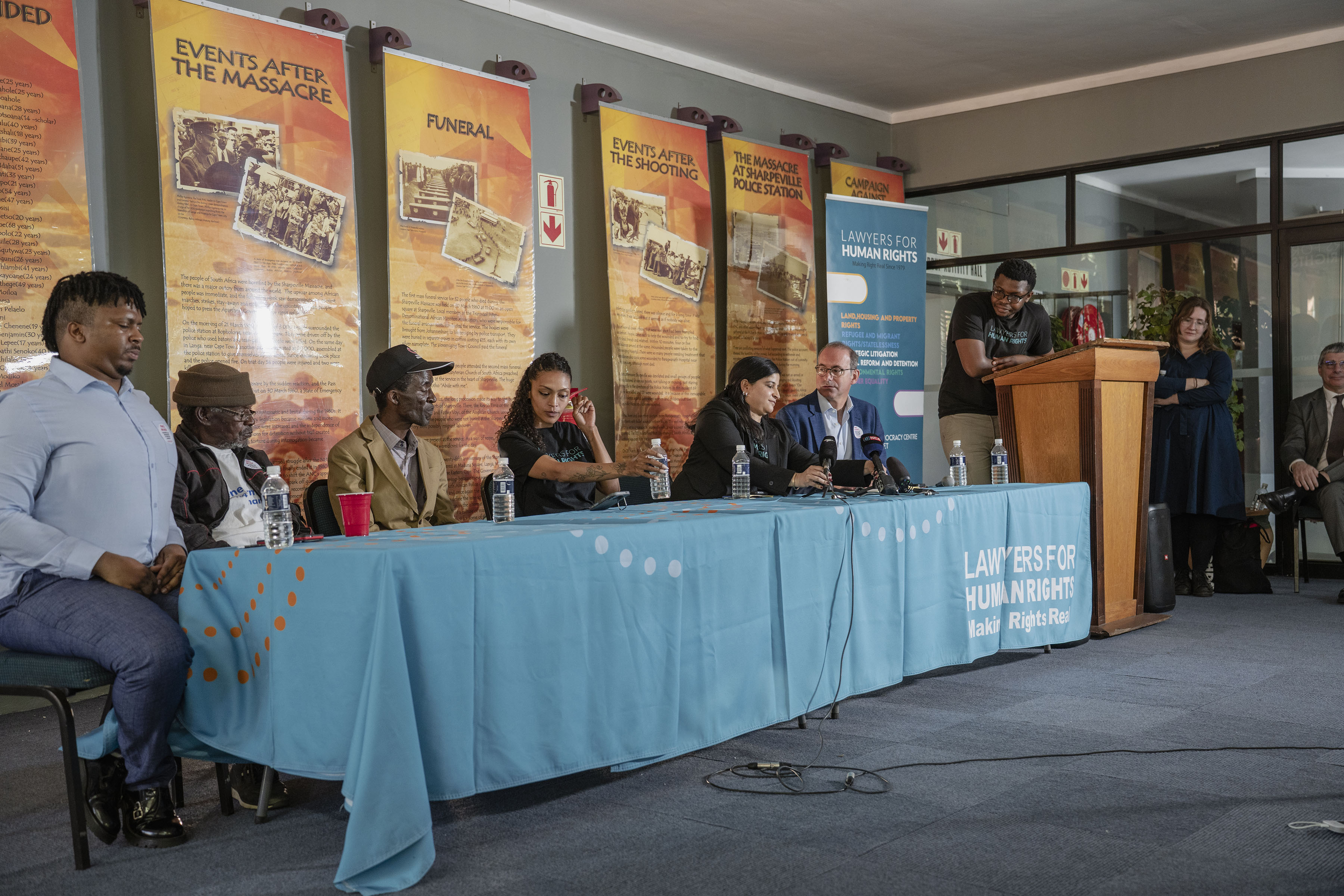
A press conference was held at the Sharpeville Memorial to launch the class action.
