24 April 2026
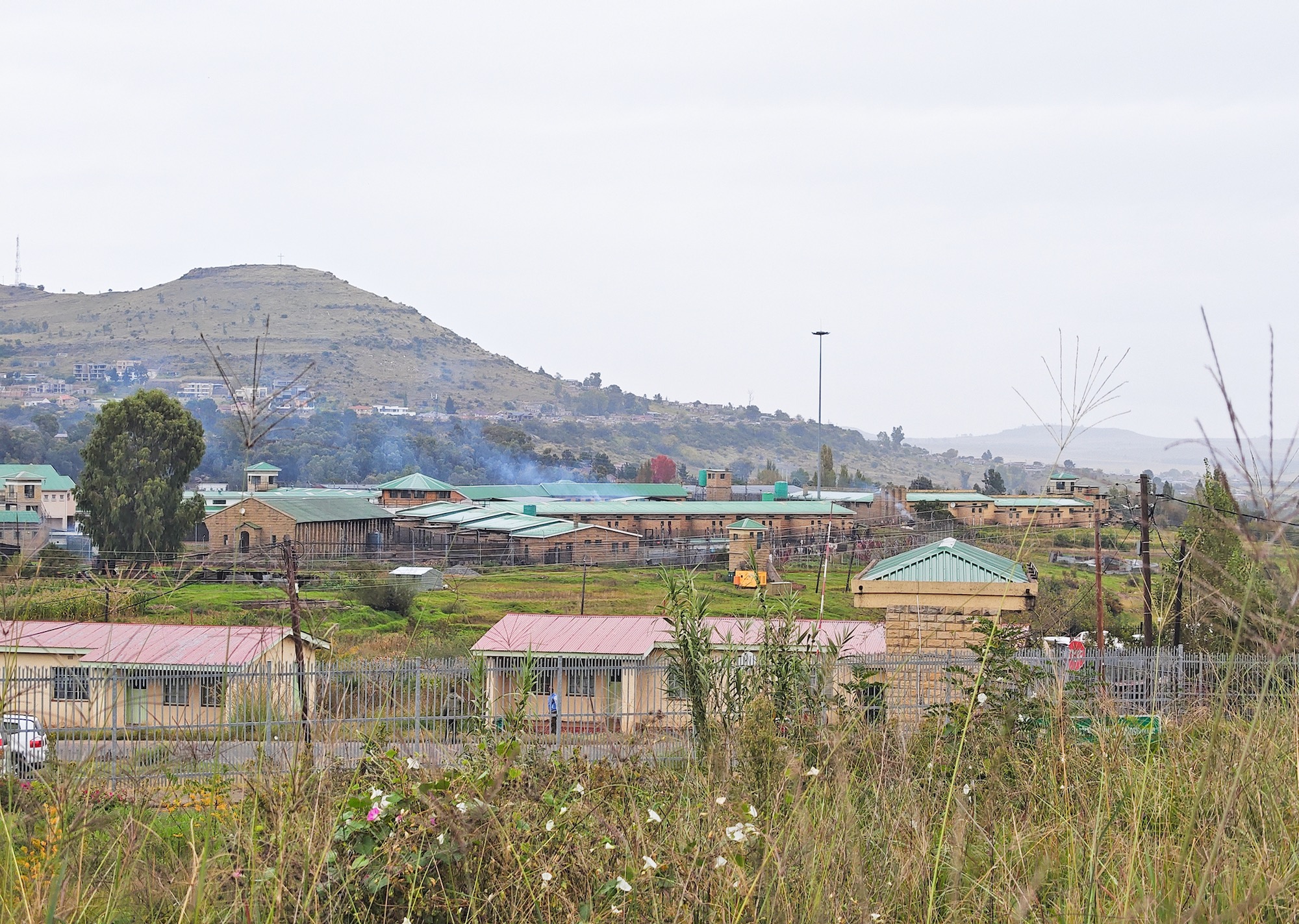
Maseru Central Prison built for 500 inmates, now holds 971. Photo: Sechaba Mokhethi
Overcrowded prison cells in Lesotho are experiencing outbreaks of tuberculosis, scabies and pellagra, with conditions now critical, says ombudsman advocate Tlotliso Polaki.
A report released last week by Polaki paints a grim picture of a prison system that has deteriorated since a 2023 investigation exposed widespread human rights violations.
Three years later, almost none of the 78 recommendations made in that report have been implemented, says Polaki.
Lesotho Correctional Services spokesperson Pheko Ntobane did not dispute the findings. “About 98% to 99% of what is in that report is true. It is a fair report,” he told GroundUp.
According to the report, prison population has grown from 1,835 inmates in 2023 to 2,757 in March 2026. Maseru Central Correctional Institution, built for 500 inmates, now holds 971.
About half the country’s prisons are overcrowded. In some, cells meant for four people hold ten inmates, with prisoners sleeping on concrete floors.
Polaki says these overcrowded conditions are driving disease.
Tuberculosis and scabies are also widespread. The report describes them as endemic in overcrowded, poorly ventilated cells where hygiene is poor and inmates are in close contact.
At Mafeteng prison, some inmates have pellagra, a disease caused by severe nutritional deficiency and rarely seen outside extreme poverty.
“Overcrowding leads to all these illnesses,” says Ntobane.
Polaki’s 2023 report also documented disease outbreaks, malnutrition and poor healthcare. Her latest report says conditions have only worsened.
Ntobane says many of the country’s prisons are “old colonial-era facilities”, such as Qacha’s Nek, Quthing, Teyateyaneng and also Mokhotlong, a juvenile facility designed for 50 minors but now holds close to 100.
Healthcare inside prisons remains critically under-resourced, according to the report.
Some facilities still have no resident nurses and rely on visiting staff only available on certain days. In some prisons there are no medical staff after hours, leaving officers to decide whether sick prisoners should be taken to hospital.
The report found prison clinics are poorly stocked. Prisoners told investigators they are often only given painkillers regardless of their condition.
Chronic illnesses frequently go untreated because of medicine shortages, including interruptions to life-saving HIV treatment.
Polaki also identified cases during the inspection period where prisoners had died in custody after not being transferred to hospital in time.
Nutrition is also a concern. Regulations dating back to 1959 require a balanced diet that includes meat, vegetables and milk, but prisoners continue to receive the same meal daily. “The diet has never been anything beyond pap with beans or peas all year round,” the report says.
The report states that poor nutrition has directly contributed to malnutrition and diseases such as pellagra. Prisoners reported rarely receiving protein or fresh produce.
Ntobane says overcrowding and limited funding made it difficult to provide a balanced diet.
Polaki found several prisons have been without soap since late 2025.
Cleaning material such as detergents and disinfectants are also scarce, forcing prisoners to clean cells using ash or torn blankets.
The report also documents lice and bedbug infestations. Recommendations for regular fumigation were not implemented.
Waste management has deteriorated, with rubbish piling up, attracting vermin.
At Berea prison, 225 inmates share four toilets and waiting times can exceed two hours, according to the report. Some prisoners resort to using buckets in their cells at night.
Frequent water outages at many prisons have further worsened hygiene and sanitation conditions.
Infrastructure has continued to deteriorate since 2023.
Facilities previously identified as unsafe, including Berea, Quthing and Qacha’s Nek, remain in use despite being declared unfit for human habitation. No reconstruction has begun, the report states.
Prisoners remain in buildings with collapsing walls, leaking roofs and faulty electrical systems.
The demolition of Mafeteng prison because of structural risks has seen prisoners relocated to other facilities, worsening overcrowding elsewhere.
Polaki says a failure to act has led to this crisis.
Of the 78 recommendations in the 2023 report, none have been fully implemented and only a fraction have seen partial progress.
She says chronic underfunding, lack of political will, weak oversight, and poor coordination are to blame.
Budget allocations have not kept pace with the growing population, she says.
Limpho Tau, Minister in the Office of the Prime Minister, admitted there were major health challenges due to overcrowding and Lesotho announced plans last year to release hundreds of prisoners.
Without urgent intervention, she warns, the system risks collapse.
“The house of Lesotho’s correctional system remains in ruins,” Polaki concludes.
