27 March 2026
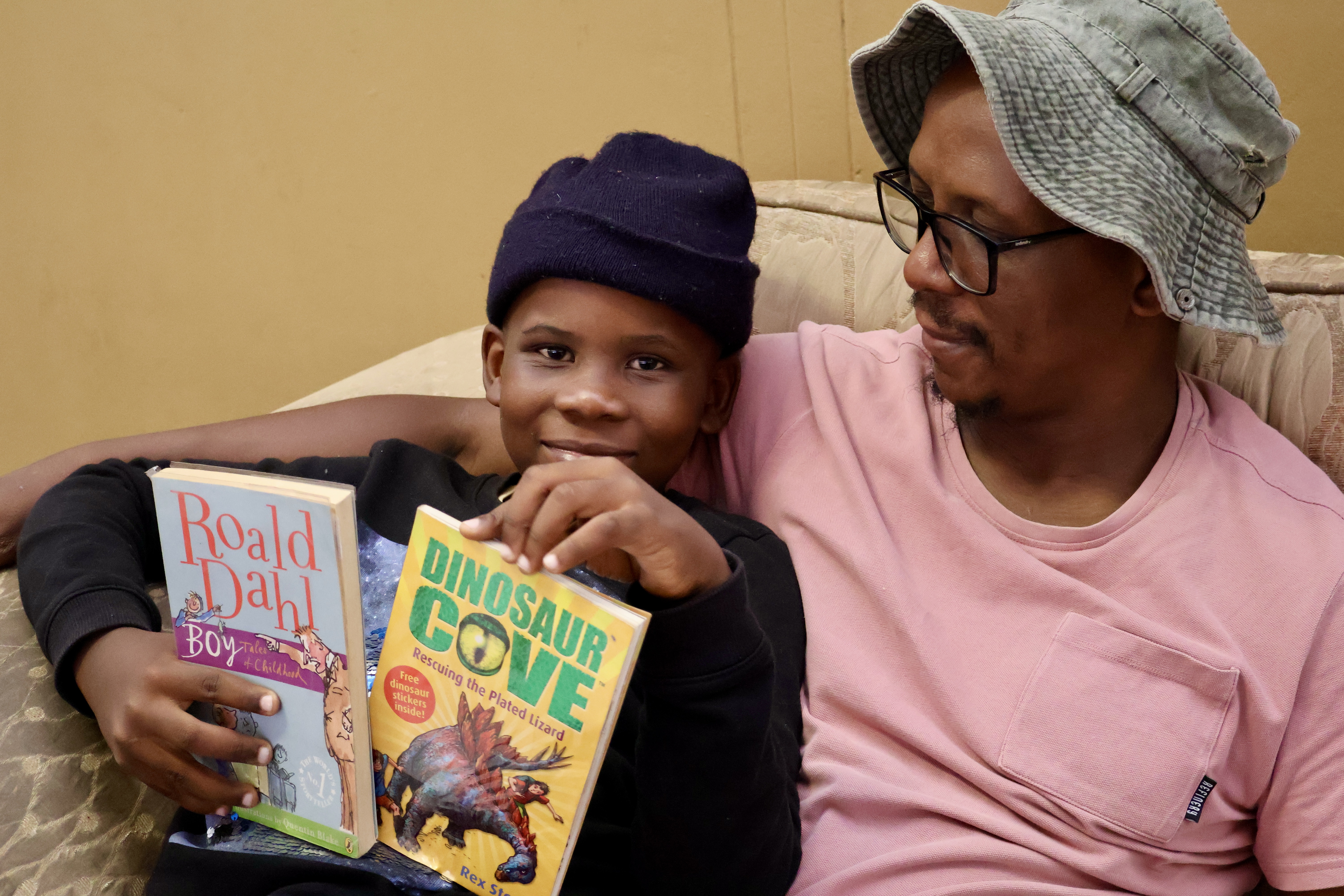
The Mbombela Public Library is a refuge for Solly Mguni and his son, Mvuso. Reading together is an alternative to social media, he says. “Our kids today, we buy them phones, we buy them tablets… they get caught up, and they lack focus.”
The KaNyamazane Library in Mbombela, Mpumalanga, has just 166 current library cardholders. But last year it had 16,000 visitors, mainly young people, according to librarian Dudu Mondlane. Like Mbombela’s other libraries, it is used by thousands to access free Wi-Fi, study, use computers to update their CVs, and print forms to apply for work.
“These days, it’s about the internet. The books are not circulating as much,” says Precious Sibiya, librarian at the Kabokweni Public Library, where all the computers were occupied when GroundUp visited.
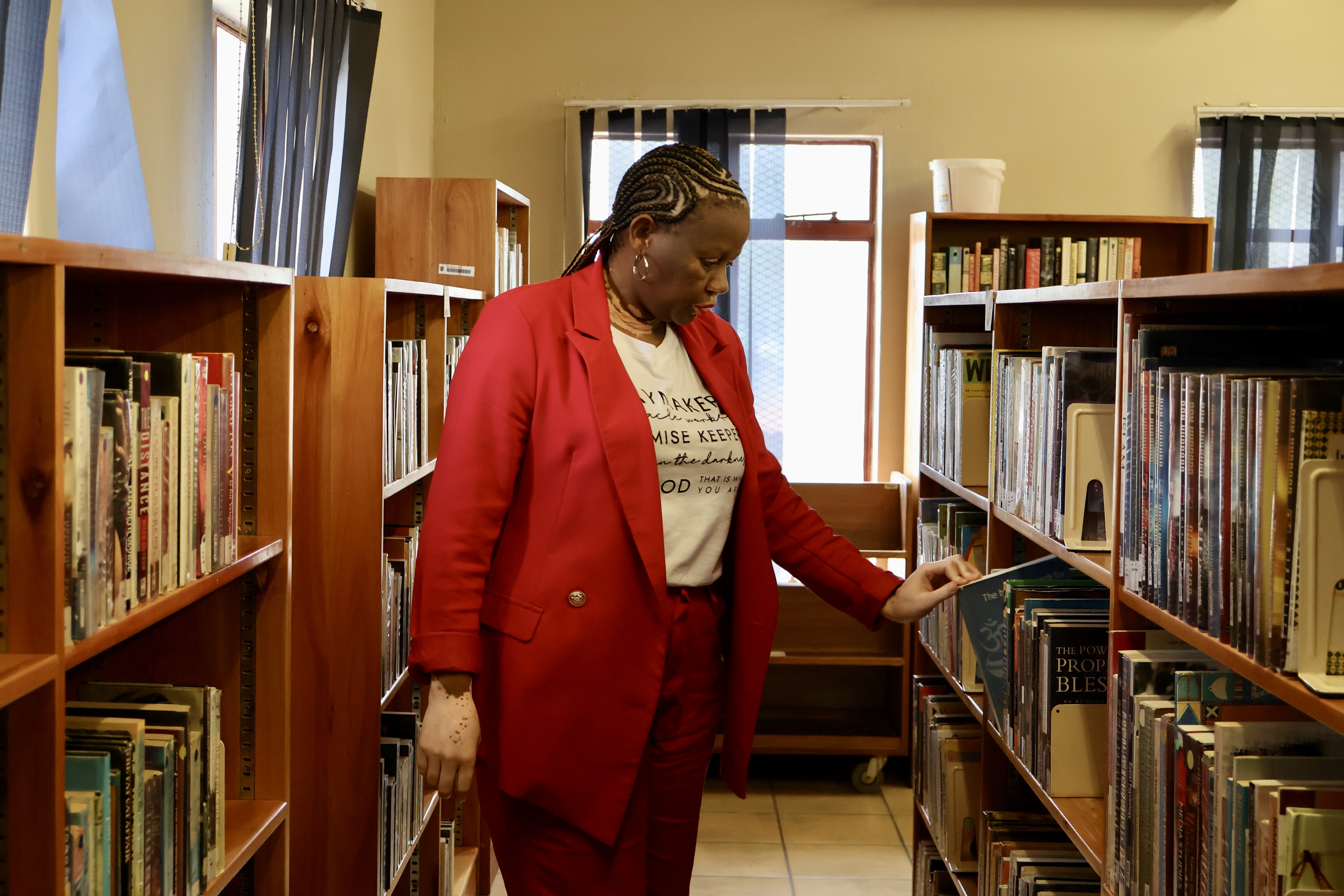
Librarian Precious Sibiya has worked at the Kabokweni Public Library for almost 10 years. She enjoys helping visitors access resources for work and school assignments. She regularly visits eight nearby schools to share poetry, run reading competitions, and teach learners about the library’s services.
But even as library registrations and book borrowing are declining, libraries remain indispensable as rare public spaces where people can gather, learn and access useful resources without spending money.
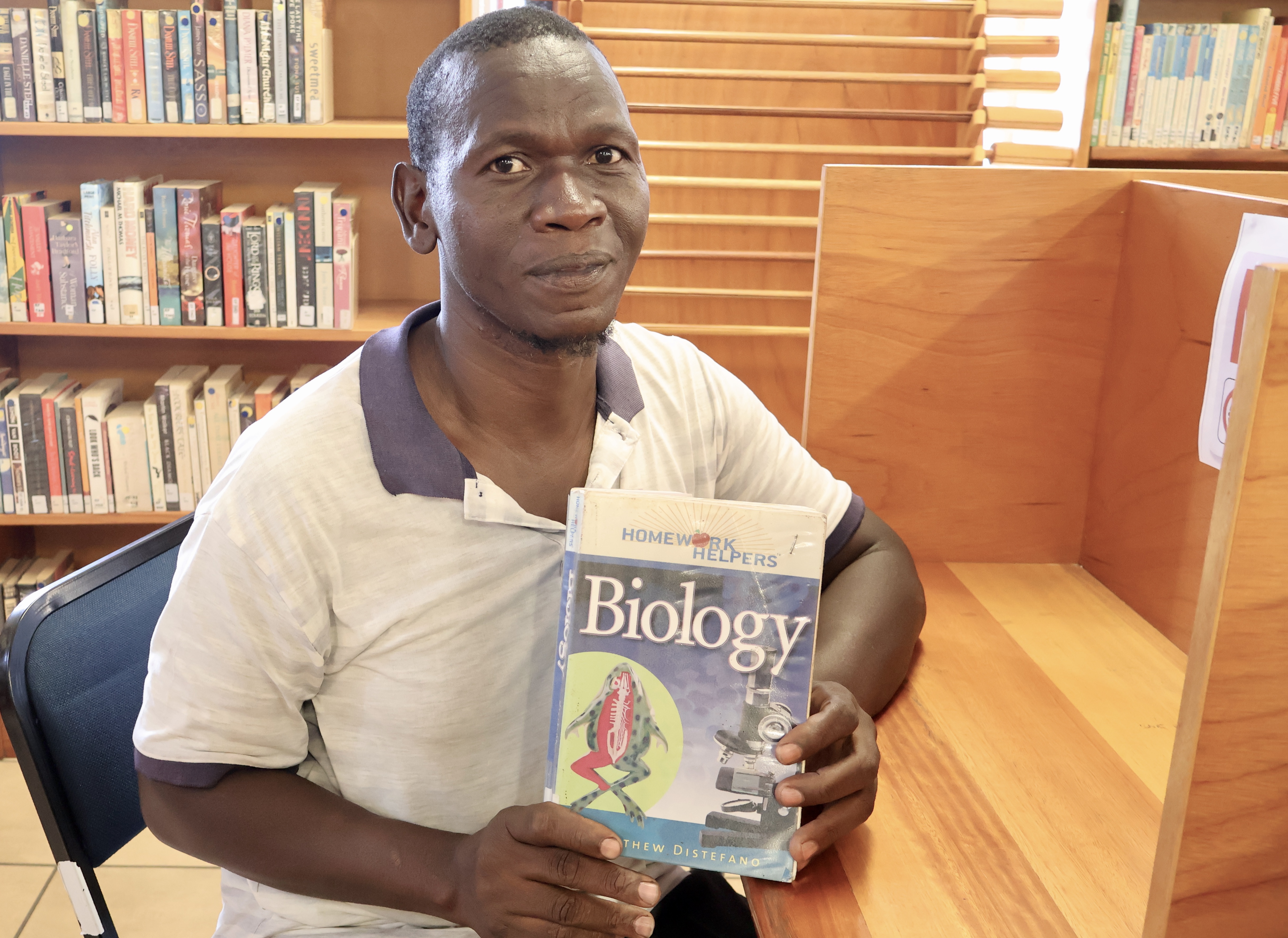
Curiosity brings Bernard Nkosi regularly to the Kabokweni Library, where he studies a biology textbook to help him better understand and look after his livestock.
Only around 30% of Mpumalanga’s wards have libraries, according to the provincial Department of Culture, Sport and Recreation’s latest annual report. And in rural areas, access to libraries is even more of a challenge.
In Mbombela, two mobile libraries, created by the provincial government from converted buses, attempt to fill in the gap for rural communities.
Library cards are free and though the books may not always be the latest edition, this does not matter to many users.
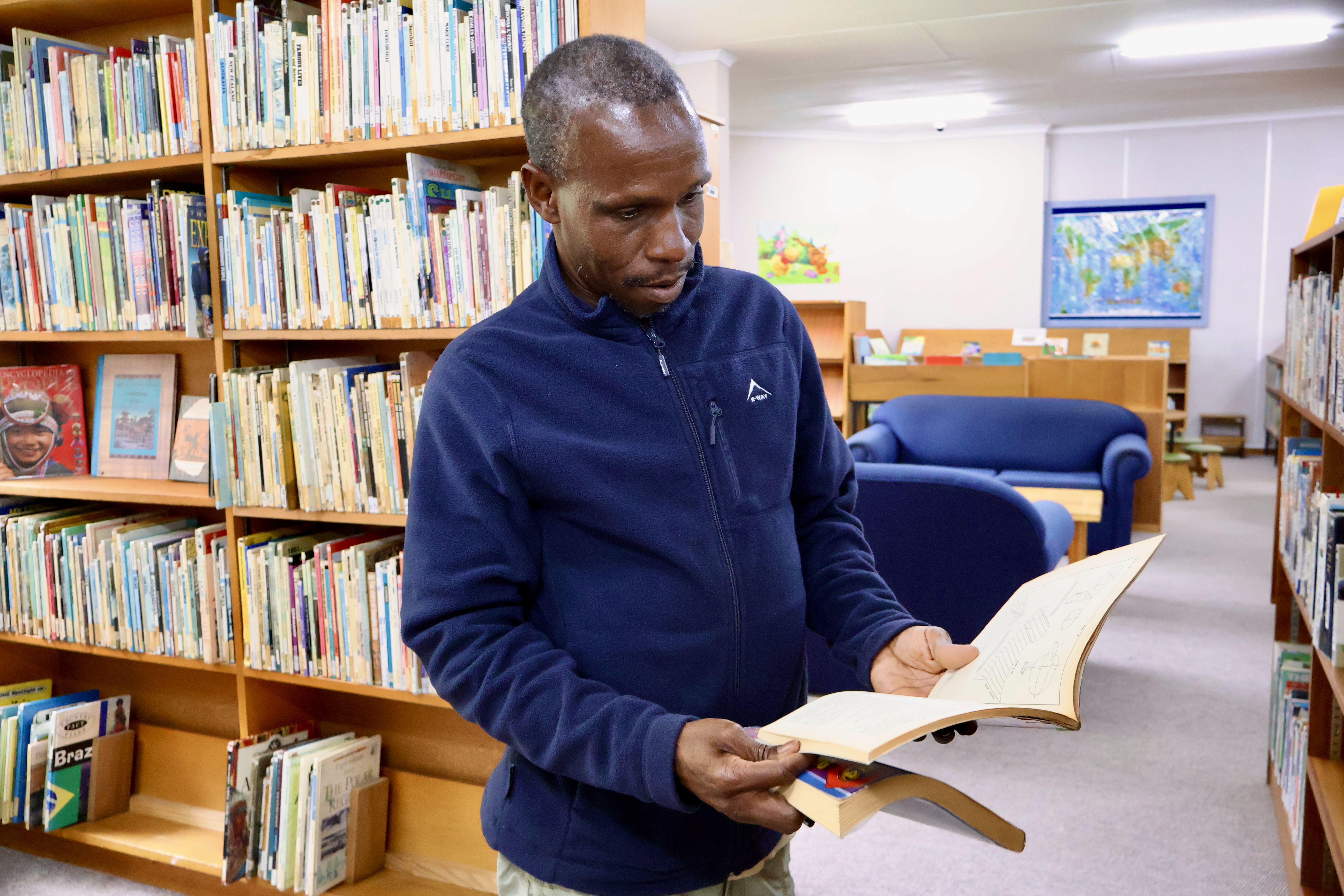
Jeremiah Mnisi reads at the White River Public Library. Although he often returns to consult the same textbooks he used as a student, he has also recently started using an AI chatbot to help him understand concepts. Using the internet needs electricity and data, which Mnisi does not always have access to at home.
“I love old books. They explain things more thoroughly than the modern ones,” says Jeremiah Mnisi, who has been regularly visiting the White River Public Library since 1998.
Reading, Mnisi says, enables him to excel at his job at Lowveld National Botanical Gardens, where he is a maintenance worker.
“Being a handyman is a multi-skilled job. For some of the things, I have to do research,” he says. He says he taught himself many of his most useful skills, from metalwork to maintaining irrigation systems to fixing broken lawnmowers, by reading books at local libraries.
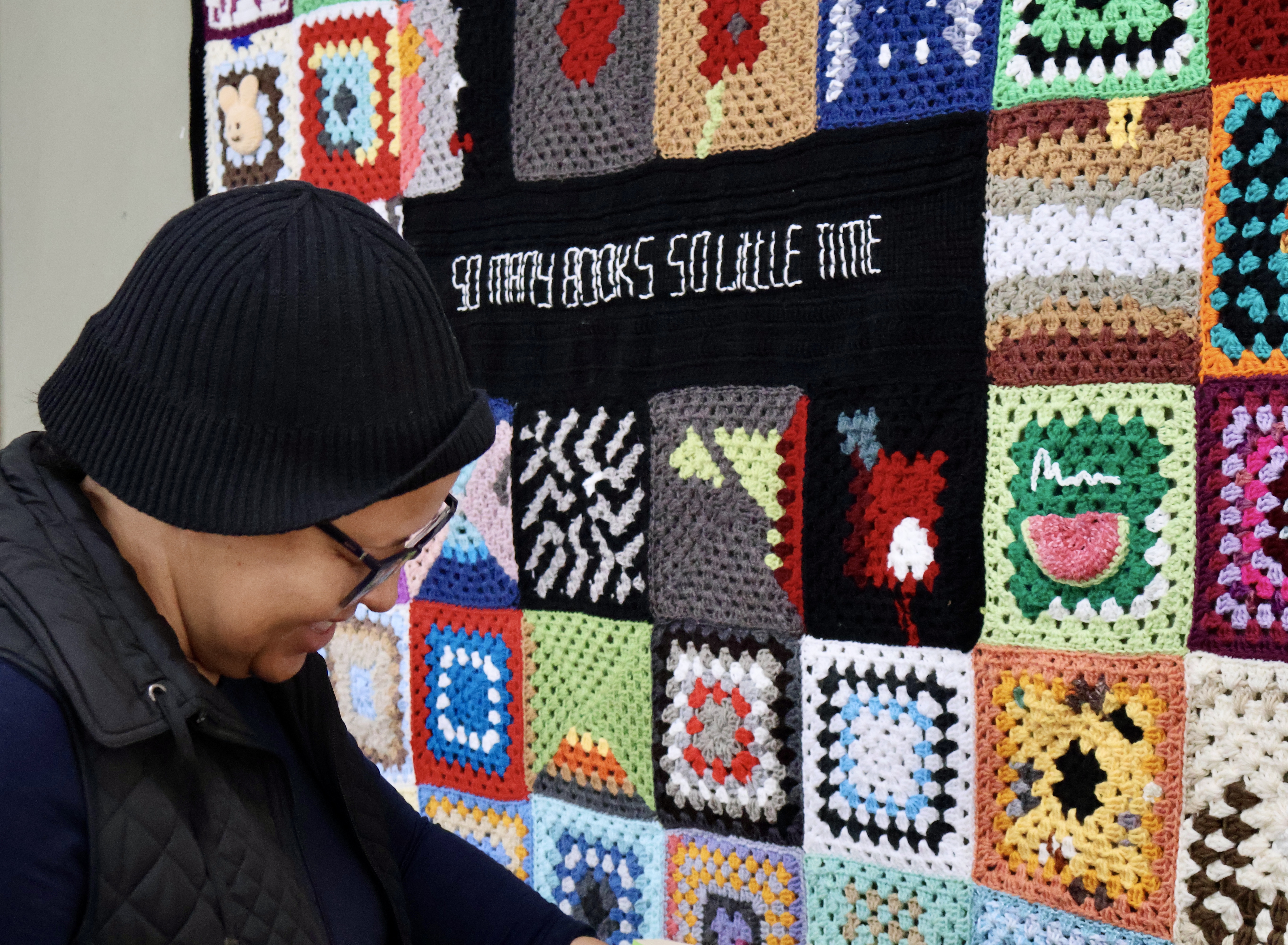
Librarian Penny Green with a blanket donated to the White River public library to celebrate its reopening. The blanket was crocheted by a local group of 67 Blankets for Nelson Mandela Day, with each square representing a beloved book.
When the White River Library closed in February 2023 after rains and leaking toilets caused severe damage to the roof and walls, Mnisi and other library users had to give up their library trips or travel further to neighbouring towns.
It took close to three years for the municipality and the Mpumalanga government to complete the R4.5-million renovations. The White River library only reopened in November 2025.
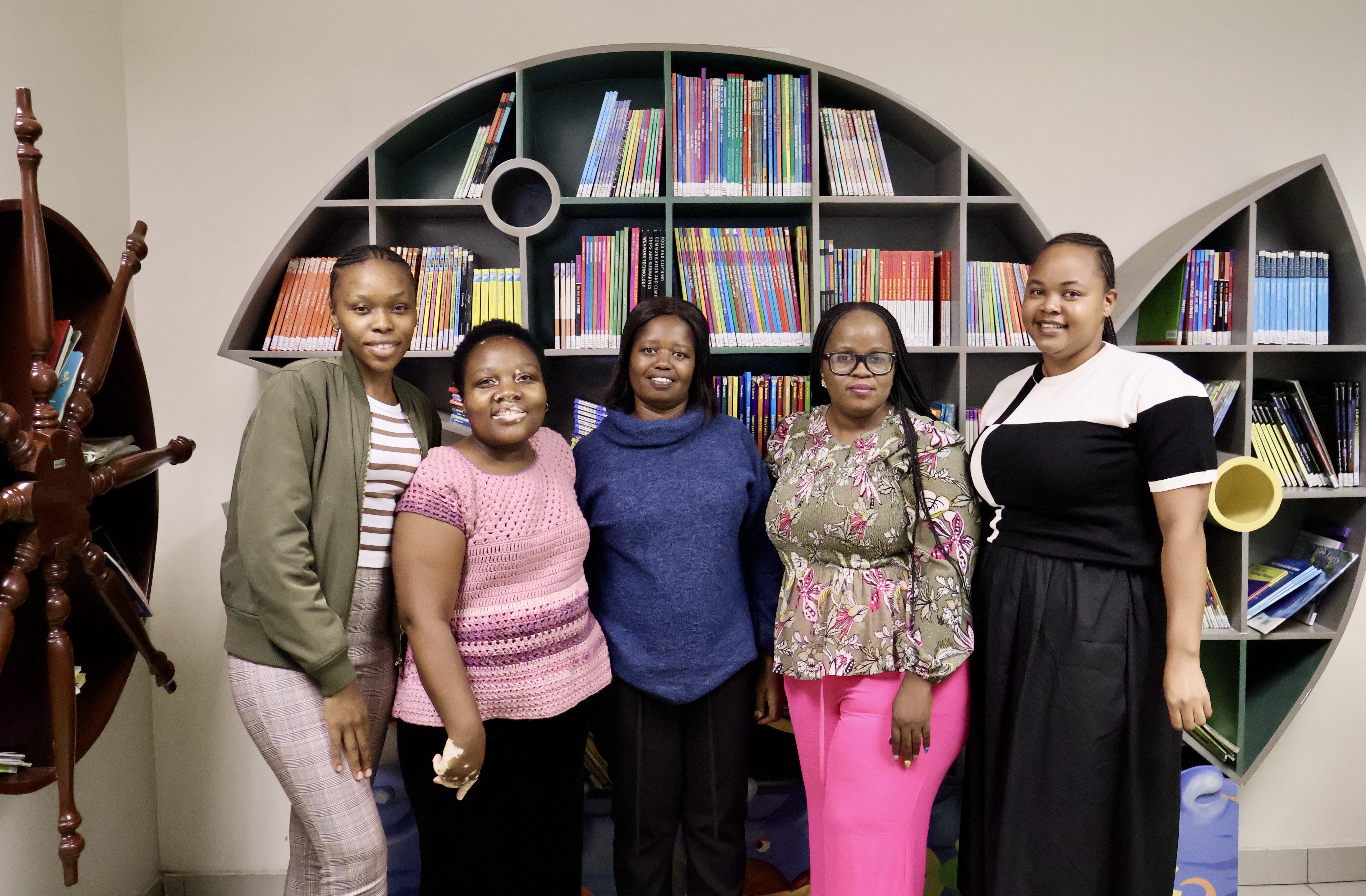
Librarians in the children’s section of the KaNyamazane Public Library. From left to right: Thobeka Nkosi, Nontokozo Mazibuko, Buyi Mapanga, Dudu Mondlane and Bongokhule Mahlalela. “We have free internet and free Wi-Fi with free computers,” says Mondlane.
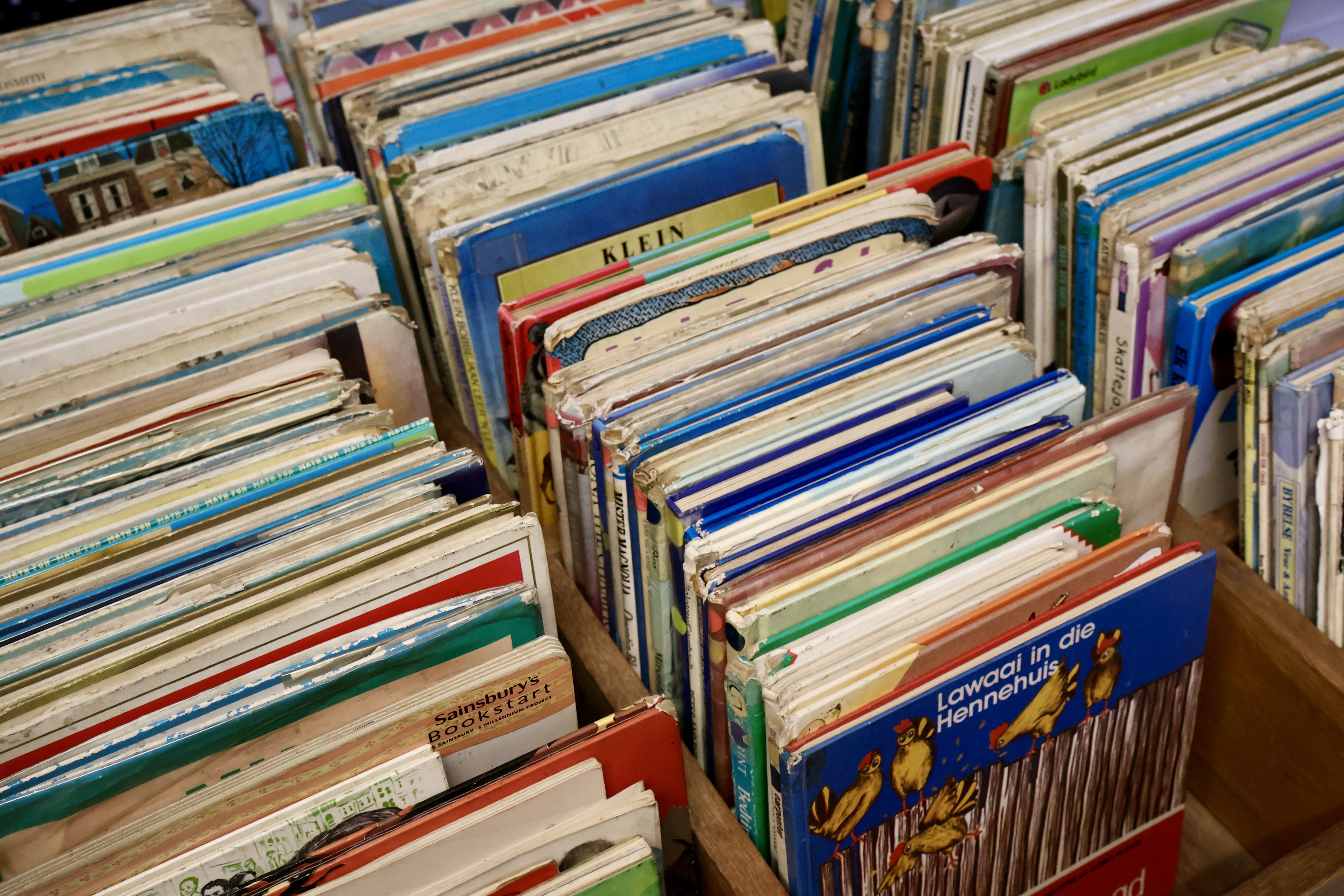
Children’s books at the Mbombela Public Library are worn after years of use.
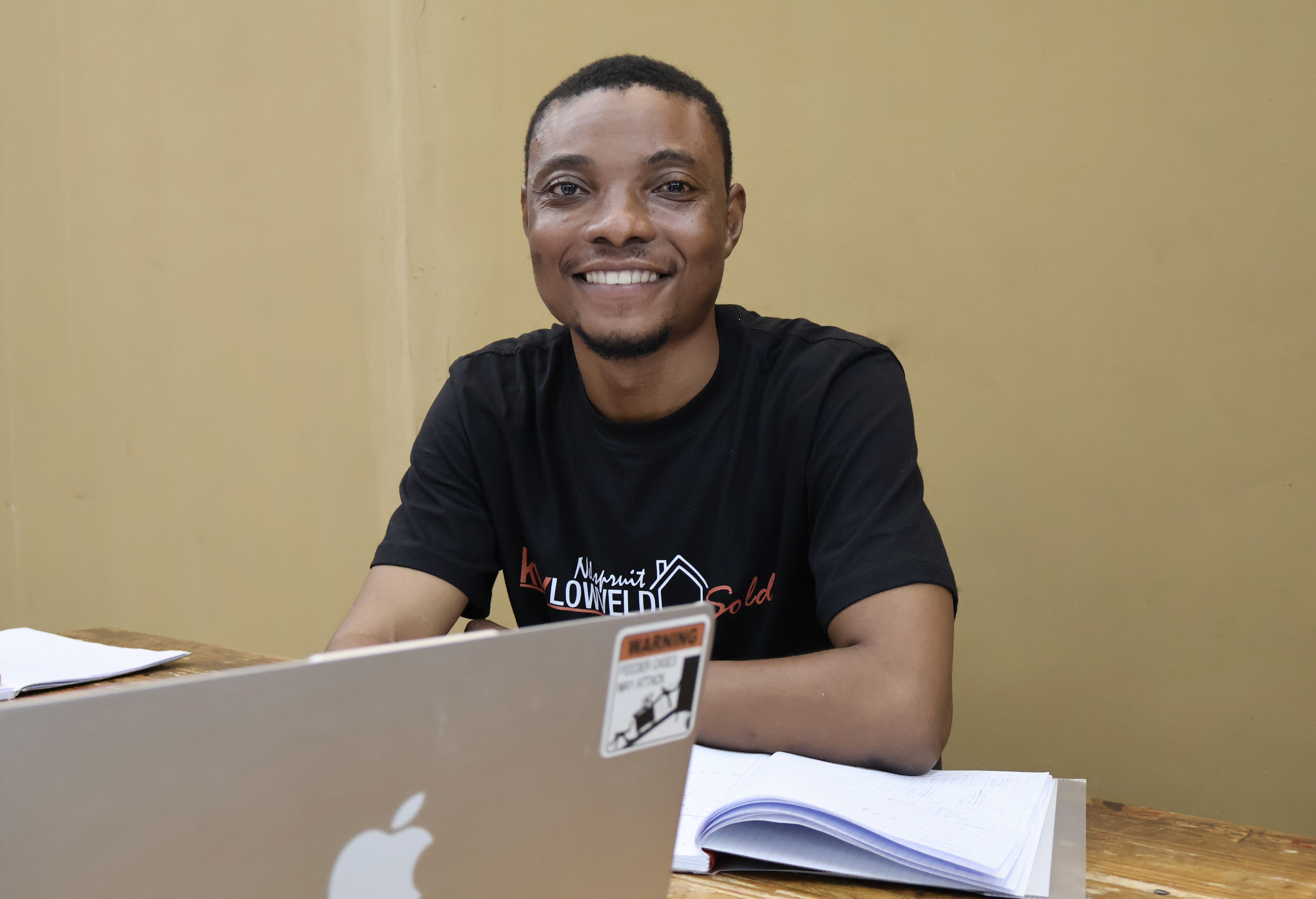
Tichoane Masango is a Mathematics and Physical Science teacher who uses the Mbombela Public Library as a space to host tutoring sessions. “If you come to the library, even if you didn’t want to start, once you see everybody around you studying, you’ll be compelled to also start,” he says.
Librarians at Mbombela’s libraries emphasise that they try never to turn anyone away. In communities with limited common spaces, people come to libraries to rest in a quiet, safe place, get homework advice, play chess, apply for university, read for fun and learn new skills.
“To be a librarian, it’s like you are a social worker,” says Nhlanhla Tsela, librarian at White River Public Library.
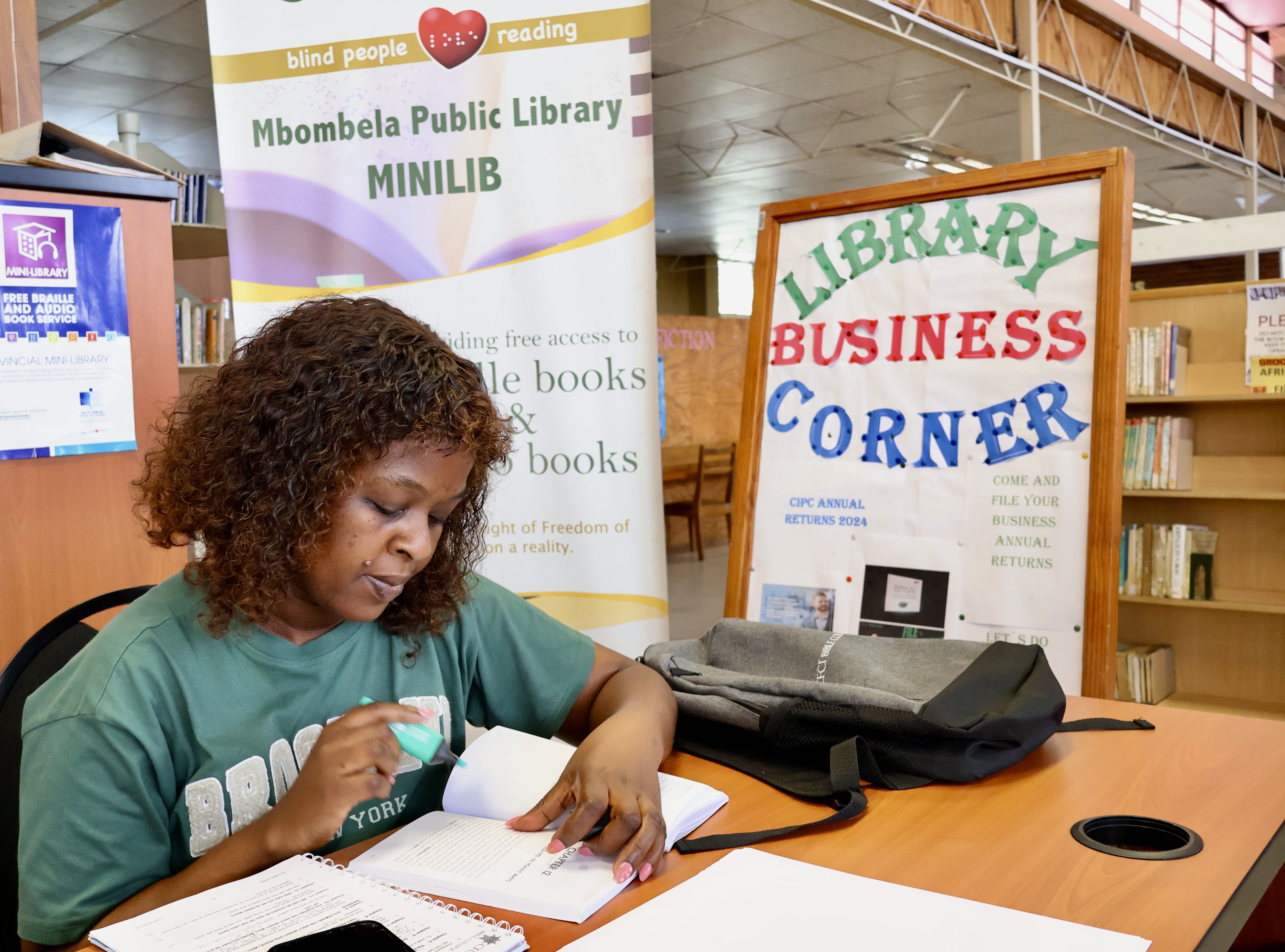
“They think that we are just here to pack books,” says Thobile Kunene, a librarian. But she does plenty of other things, including work in a special corner where entrepreneurs are helped to register businesses and file tax returns.
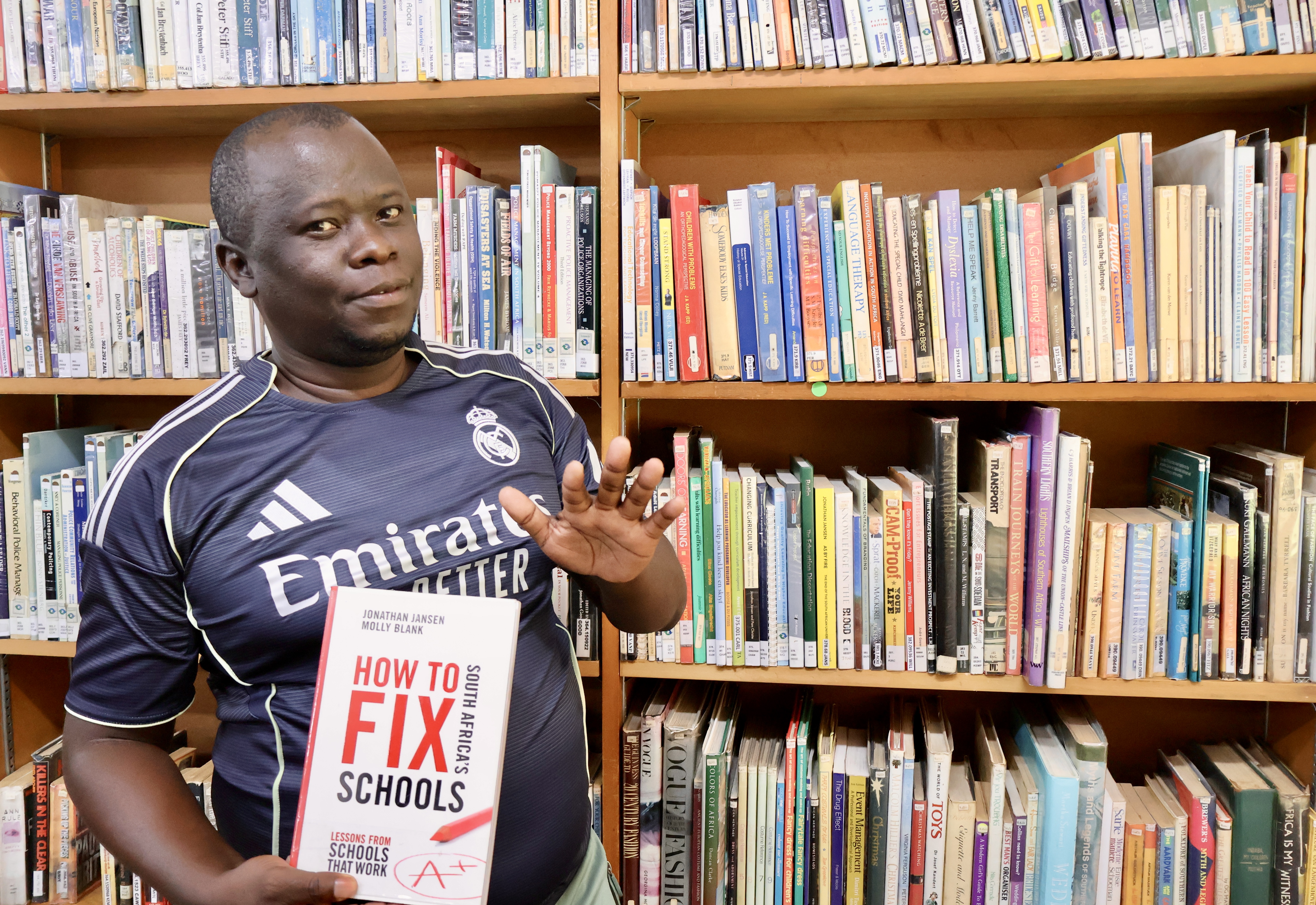
Nhlanhla Tsela, head librarian at the White River Public Library, holds one of his favourite books. Libraries play an important role in bridging the literacy gap.
