30 July 2026
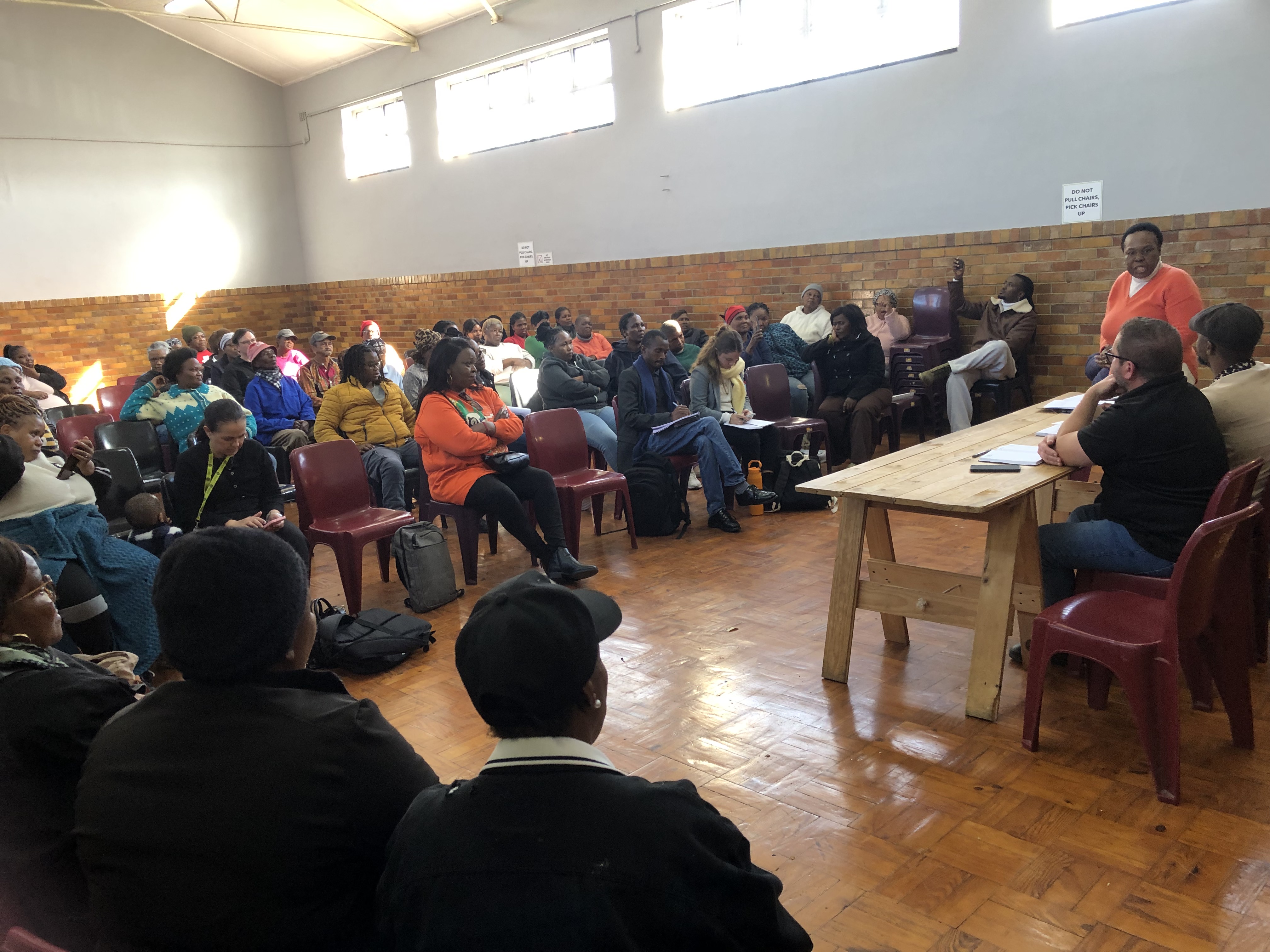
Residents from the Singabalapha informal settlement in Observatory attend a meeting with families from the Masonwabe temporary relocation area in Gugulethu. The City plans soon to relocate the two groups to a site in Gugulethu. Photos: Mary-Anne Gontsana
A meeting meant to unify two communities waiting to be relocated by the City of Cape Town descended into chaos this week.
Residents from Singabalapha informal settlement, along the main road in Observatory, attended a meeting with families living at the Masonwabe temporary relocation area (TRA) in Gugulethu. The City plans to relocate the two groups soon to a site in Gugulethu. The meeting, held at Heideveld Community Centre, was hosted by the City’s informal settlement department and the local ward councillor.
However, Masonwabe families lambasted the City for trying to move Singabalapha occupants to land promised to them years ago. But they made it clear that their anger was not directed at the Singabalapha residents.
Masonwabe TRA chairperson Nolusindiso Leputhing explained that they were moved from Masonwabe flats about 14 years ago when the building was demolished. The City had told them it would only be for five years, then they would move to RDP houses, she said.
“Now that houses are finally going to be built on that site, we are told we have to share the space with residents from Singabalapha? Why? Why can’t another site be found for them?” asked Leputhing.
Nozuko Goba, also from the TRA, said, “Don’t get us wrong. We have no problem with the Singabalapha residents personally, but we just want another site to be found for them.”
“Apart from us who currently live in Masonwabe, there are many backyarders in Gugulethu that have been fighting and waiting for housing for years. Why can’t they get these houses instead of people from Singabalapha?”.
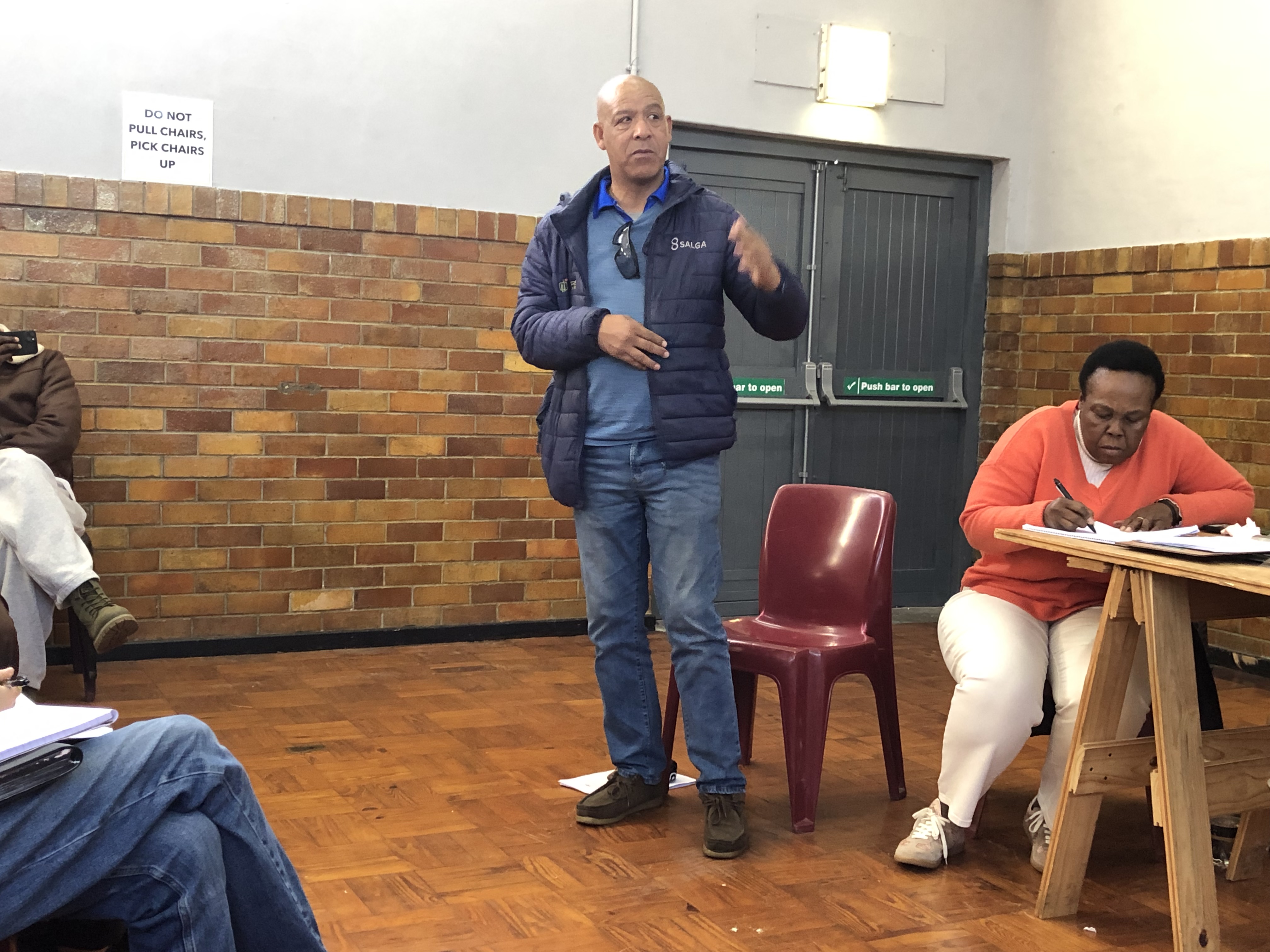
Ward councillor Anthony Moses was accused of misleading the residents about their relocation.
In 2012, residents were evicted by court order from the Masonwabe hostel in NY109, after the building was deemed unsafe for human occupation by the Town Planning and Building Development Directorate. The hostel was demolished in 2013.
They were moved to temporary informal structures behind the Gugulethu police station. Initially, 80 families were accommodated at the TRA, but over the years the area grew and now is home to over 100 families.
In Observatory, seven years ago, a group that were mostly backyarders from other communities, occupied land along Main Road, and called the settlement Singabalapha (“We belong here”). The City told the high court the group would be moved to an emergency housing site in Delft South. But occupiers successfully argued that the site was too far from their work and schools.
The settlement, of about 100 adults and children, has no electricity, no running water and no toilets.
Responding to the Masonwabe residents, deputy chairperson of Singabalapha, Tumi Rati, said, “We are happy that you have no problem with us. We have no problem with you.”
“We know how the City operates. They want us to fight each other. We hear that you don’t want us on your land, and we understand, so this meeting is just a waste of time,” said Rati.
As ward councillor Anthony Moses (DA) started explaining how the decision was made to join the two communities at the Gugulethu site, Masonwabe residents began shouting insults, and accused him of misleading and neglecting them.
Before Moses could continue, half of the disgruntled people walked out.
Project manager Sinethemba Mandokazi, from the City’s informal settlements, said the houses to be built on the new Gugulethu site will be multi-storey rather than single-unit RDP homes. “The aim is to build up. This will also help us accommodate more families.”
The few Masonwabe residents who remained at the meeting addressed Moses and City officials, saying they had no problem with receiving the alternative building technology houses but reiterated that they did not want residents of Singabalapha relocated to their site.
Asked about the Masonwabe residents’ objection, Carl Pophaim, mayco member for human settlements, said, “The City is attempting to address and manage the concerns raised. We are hopeful that these issues will be resolved in due course through meaningful and ongoing engagements with the receiving community.”
