3 November 2026
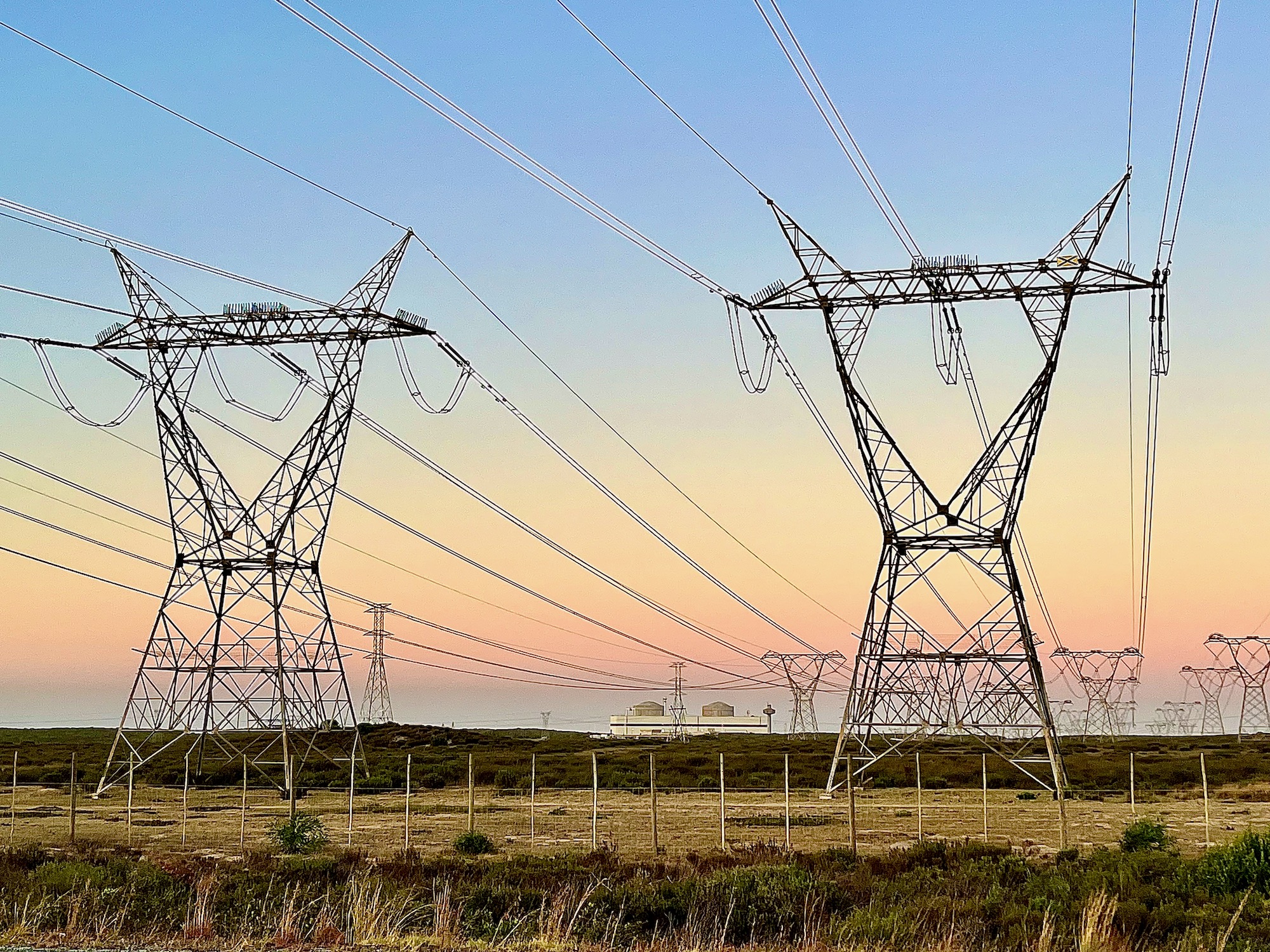
The Electricity for All campaign calls on government to provide 350kWh per month of free electricity for indigent households. Archive photo: Brent Meersman
Universal access to electricity may be the most powerful tool for tackling poverty and inequality in South Africa, Dr Tracy Ledger and Mahlatse Rampedi of the Public Affairs Research Institute (PARI) argue in their 2022 book, “Hungry for Electricity”.
“It can increase quality of life, create new employment opportunities, support small enterprises and reduce food insecurity,” PARI’s website states.
Government’s existing Free Basic Electricity (FBE) programme provides a 50kWh allowance to indigent households. But that amount is widely considered insufficient to meet basic household needs. Uptake of FBE has also been low: only about two million of the ten million households who qualify receive it. This is largely due to poor coordination between government departments and other bureaucratic hurdles.
Yet a wealth of research shows that electricity provision is a prerequisite not only for human wellbeing but for economic growth. Even the current low 50kWh subsidy has been associated with slight shifts towards clean cooking, investment in essential appliances, and small but significant improvements in literacy and numeracy.
In research cited by the Presidential Climate Commission, PARI suggests that 350kWh per month is a “developmental level of electricity” for a household, allowing for daily cooking, heating water, and possibly some small-scale home-based economic activity.
Energy and climate non-profit 350 Africa has launched an Electricity for All campaign in the run-up to the municipal elections. It calls for 350kWh of Free Basic Electricity for all qualifying households; an end to unfair disconnections, load reduction, exploitative smart meters, and unaffordable reconnection fees. It also calls for fairer access to FBE, and for affordable, reliable, publicly funded renewable energy for all.
More than 20 community, environmental, labour and research organisations support the campaign, among them the Climate Justice Coalition, the WWF South Africa, New Economy Hub, several labour unions, the University of Johannesburg Centre for Social Change, PARI and Fossil Free South Africa.
From 12 to 28 October, marches, workshops, rallies and mass meetings took place in areas including Soweto in Gauteng, Middelburg in Mpumalanga, Welkom and Botshabelo in the Free State, Makwarela in Limpopo, Qunu in the Eastern Cape, and Witzenberg municipality in the Western Cape, as communities gathered to make their voices heard.
What was a supply crisis several years ago under loadshedding has become an affordability crisis, leaving families in the dark because they simply cannot afford the electricity they need.
The government recently proposed raising FBE to between 200kWh and 300kWh. The Electricity for All Campaign has welcomed the planned increase but says it does not go far enough, citing PARI’s research on 350kWh as the appropriate developmental allowance.
Ahead of Wednesday’s local government elections, the campaign is calling on government, municipalities, and political parties to make affordable electricity a priority if they are serious about representing the communities whose votes they seek.
“Expanding Free Basic Electricity to 350kWh is doable. It is ultimately a question of political will and the priorities of our government: our people or corporate profit,” says Ferron Pedro, senior energy campaigner for 350 Africa.
The organisations supporting the campaign, PARI and other research institutions among them, believe that expanded FBE would unlock economic and social benefits for low-income households, relieving millions of people from forfeiting food to buy electricity, and enabling many to start small businesses, like tuck shops, hair salons and more.
FBE would be good for jobs, good for household wellbeing and ultimately, we believe, good for the economy.
Views expressed are not necessarily those of GroundUp.