6 July 2026
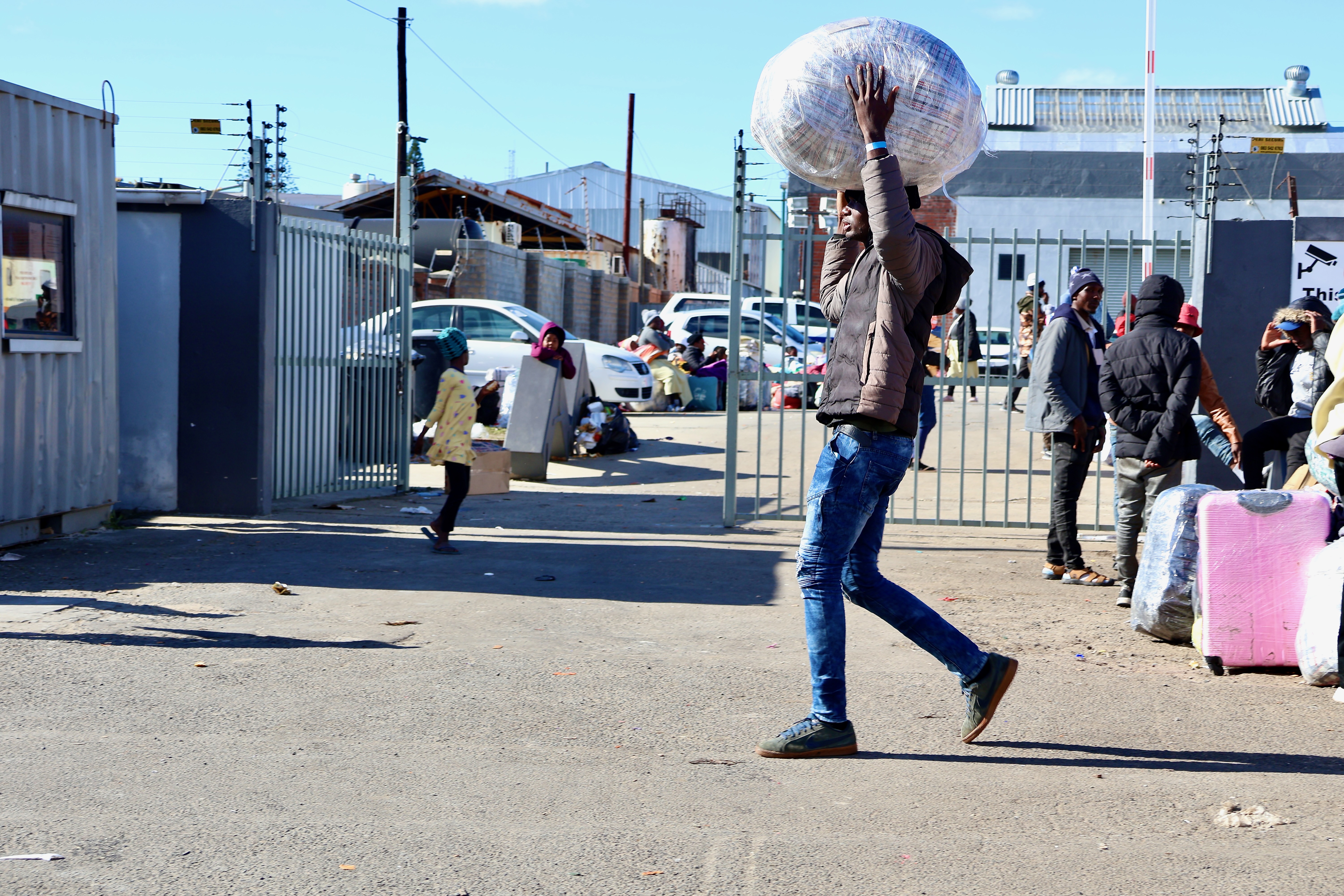
Hundreds more immigrants, mostly from Zimbabwe and Malawi, arrived at the refugee repatriation centre in Epping, Cape Town, over the weekend. It is unclear when they will be helped as the centre will no longer operate as a repatriation site. Photos: Matthew Hirsch
Video: Matthew Hirsch
Sibanengi Zhou was one of thousands of people who had spent the week at the Refugee Reception Centre in Epping, Cape Town. Many had come from mostly rural parts of the province to seek repatriation, fearing xenophobic violence.
On Saturday morning, Zhou finally boarded a bus bound for the border. “I am feeling better now because we are going home,” he said.
Zhou said he had been working on a farm in Robertson.
“I want to work to support my family. It’s very bad … I think I will stay in my country. I’m not planning to come back,” he said.
Thousands of people have been sleeping rough in the cold, wet weather.
Thousands of Zimbabweans were repatriated this past week, but hundreds more, also from Malawi, keep arriving at the Epping site.
The provincial government has urged people not to go to the site but to rather contact their embassies or consulates directly.
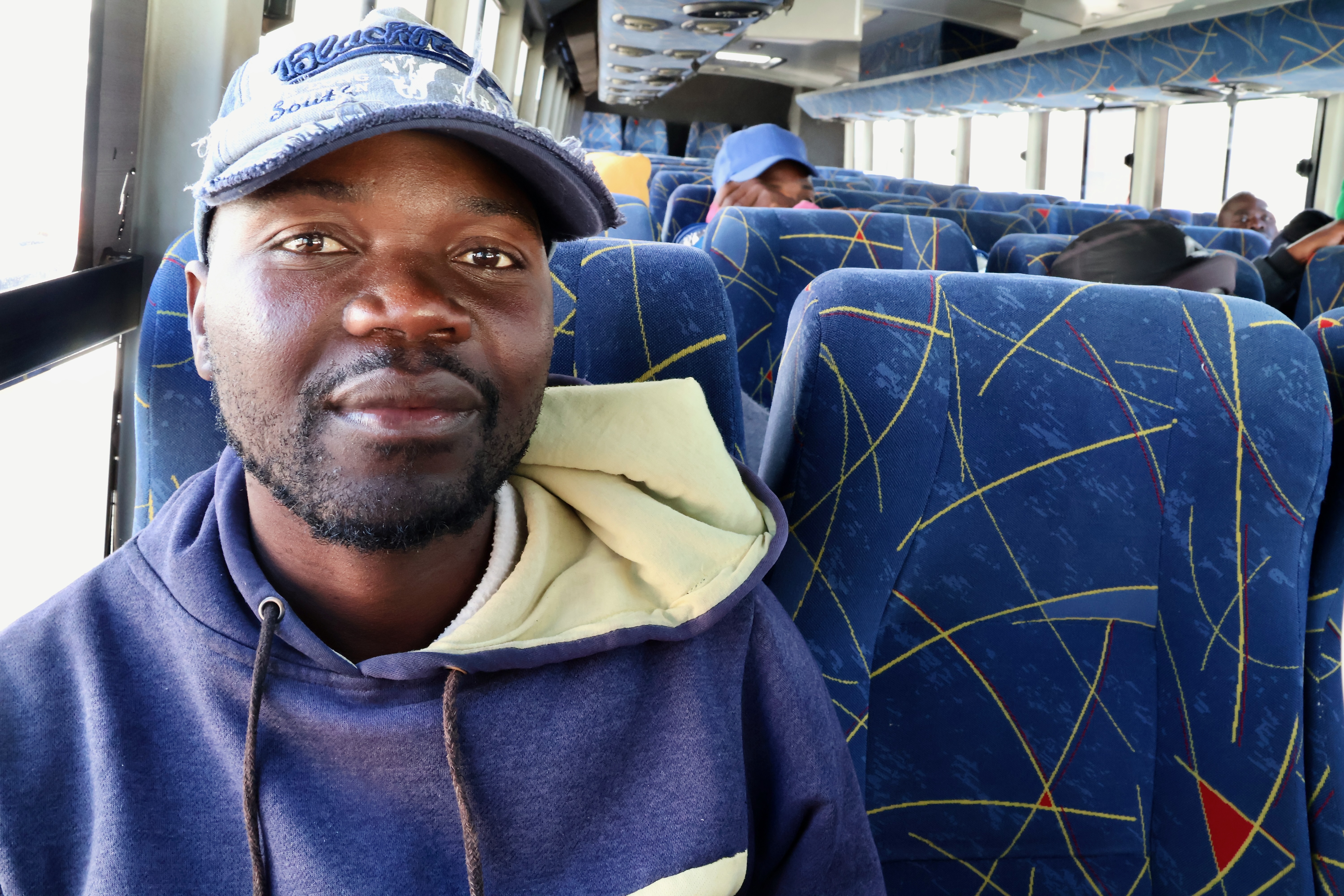
Sibanengi Zhou finally boarded a bus to Musina after spending a week at the refugee centre in Epping.
By 10am on Saturday, volunteers with Gift of the Givers were handing out food to long lines of people. Buses were being loaded with essentials such as water, sanitary pads, nappies. Food was also being prepped for the long journey ahead.
There were also SAPS and law enforcement officers monitoring the area, with Emergency Medical Services on the scene.
Immigration officials checked people’s documents before they boarded buses, instructing them to only take one suitcase due to space limitations.
The Adventist Development and Relief Agency South Africa Country Director, Mhlonipheni Ncube, said they have been at the site since Wednesday. “Initially we thought we were going to provide food, but when we saw the need, we decided to assist with transport.”
He said the organisation sponsored 15 buses but expected that more would be needed. He said the late arrivals were due to many people struggling to afford transport to Cape Town.
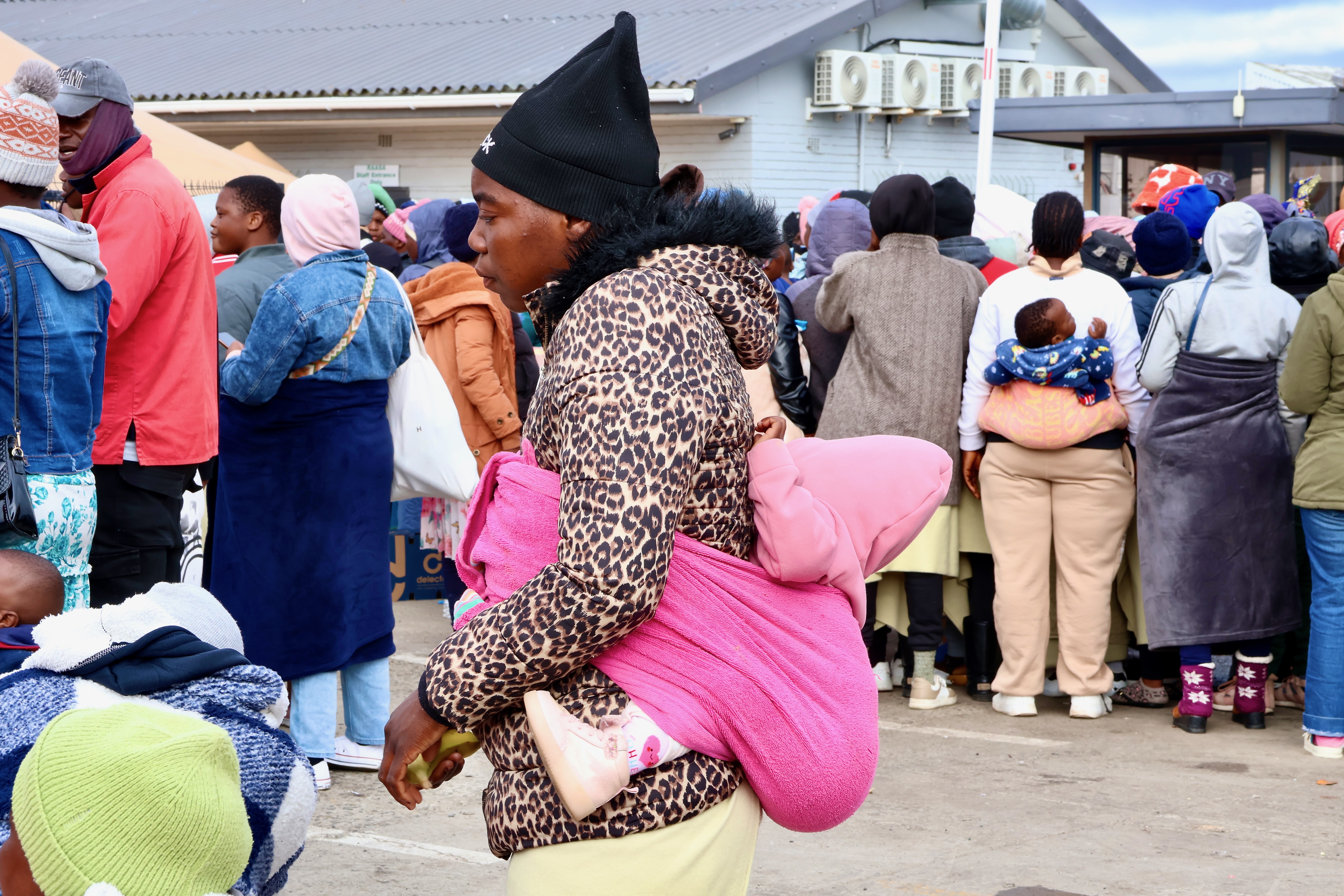
A mother with a young child waits in line for food at the Epping site on Saturday, which has since closed as a temporary repatriation site.
Weston Willie, a Zimbabwean community leader, has been assisting people for the past two weeks to transfer from the Zimbabwean Consulate to Epping. He said a mobile clinic was on site at the Epping centre.
Community Chest CEO Peter Heeger told GroundUp that the provincial government had asked organisations to help. “We’ve been monitoring for the past week and have made funds available for this. We call on Capetonians to support the cause of helping these people to get home safely,” he said.
On Sunday, Premier Alan Winde said the province had “successfully concluded” the voluntary repatriation processes.
“All individuals who presented at municipal facilities and the Department of Home Affairs’ Epping offices in Cape Town have departed following extensive verification, registration and logistical planning undertaken by the department and supporting partners. Dozens of buses were procured for this purpose.
“This operation demonstrated what can be achieved when all spheres of government, humanitarian organisations, religious institutions, transport providers and local communities work together towards a common humanitarian objective.”
People still in need of help to be repatriated should directly approach their respective embassies or consulates and use normal immigration processes, he said.
The centre resumed normal Home Affairs operations on Monday.
Meanwhile, Sikawu Makubalo, director of Ecumenical Affairs for the Methodist Church of Southern Africa, said there were still about 400 people on the field as of Monday morning, near the centre.
“To see this as a voluntary repatriation is to turn a blind eye to the fear and hurt that people experienced since the deadline of the 30th was set. Some people were told in their workplaces that their job is finished. People were told by their landlords they need to go,” he said.
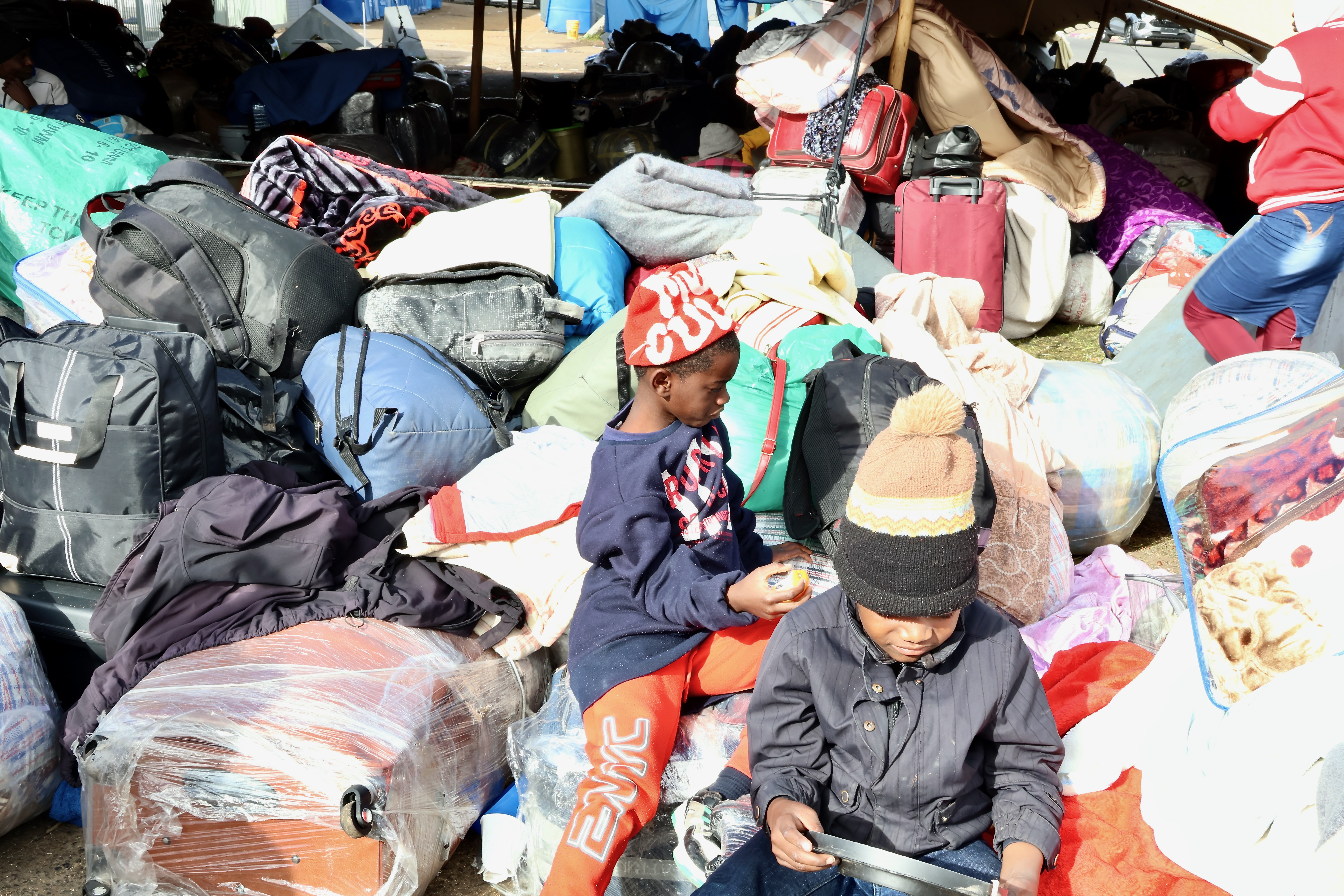
Families were forced to choose which belongings to keep and what to leave behind because they were only allowed to take one suitcase due to space constraints.
