11 November 2026
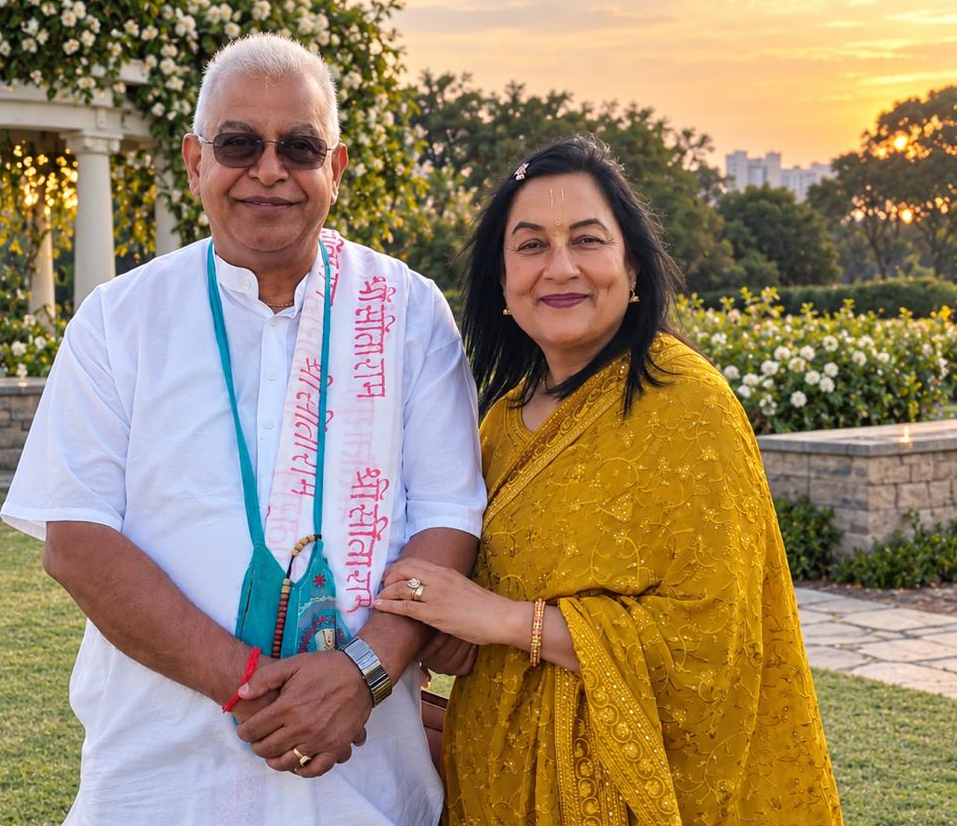
Surendranath and Anita Maharaj went missing during the floods in northern Nepal in August. Photo: supplied
The daughter of a South African couple who went missing in the sudden glacial flooding in northern Nepal on 26 August says she has received no help from the Department of International Affairs and Cooperation (DIRCO) in her efforts to obtain information about the search for her parents.
Surendranath and Anita Maharaj, aged 74 and 67, are among six South Africans who have been missing since devastating floods caused by partial glacial collapse killed almost 1,500 people in the Nepal-Tibet border region. More than 5,000 people were missing following the disaster, according to figures released by the Nepal authorities.
Surendranath and Anita, from Ladysmith, were part of a group on a pilgrimage to Mount Kailash in Tibet, which China controls. Another couple from Ladysmith, Vivaganthan and Janett Pillay, also joined the pilgrimage, along with 16 people from the United Kingdom and Ireland. Also missing are Terricia Govender from Isipingo Beach and Bavila Ramjee from KuGompo City (East London).
Surendranath and Anita’s daughter Anashnee Maharaj-Domun said she had been unable to get any practical help from DIRCO.
After initial communication with the DIRCO Asia and Middle East Consular Desk, which was initiated on 26 August, Maharaj-Domun in late September asked DIRCO for assistance in getting mementoes back from Kathmandu, which her father had bought and was due to collect for the family upon his return from Mount Kailash. The items, which were customised T-shirts for the family, were of sentimental value and material proof of her parents’ love, said Maharaj-Domun.
“It’s the last memory of what our folks did for us,” she said.
The response from DIRCO’s Asia and Middle East desk was that the department “cannot facilitate the transport of personal belongings from Nepal to South Africa”.
The desk suggested the family get hold of an international courier service.
Maharaj-Domun, through her own efforts, managed to get hold of immigration records which showed her parents had crossed into Tibet before the flood.
With these in hand, on 21 October, 54 days after her parents went missing and after two weeks without any updates from DIRCO, Maharaj-Domun, who works as head of strategy in a Department of Trade, Industry and Competition entity, emailed DIRCO with the information she had.
She formally requested the department liaise with “the relevant international authorities” to get the documentation, which would allow the Maharaj family to get death certificates for her parents from Home Affairs.
Maharaj-Domun told GroundUp there was nothing new in the response from the DIRCO Asia and Middle East consular desk, as all the information was already publicly available.
The response was that the Nepalese authorities had issued an ordinance on 9 October, “allowing the issuance of death certificates under specified provisions, based on the fact that it is not expected that any missing persons may still be found alive after approximately 55 days have passed since the flash floods”.
The desk also said 1,453 bodies had been recovered, of which 112 had been positively identified by the Nepalese Disaster Victim Identification team using DNA samples provided by families.
Additionally, the consular services would liaise with the South African Embassy in Beijing, China, for further information and “keep you updated as more information becomes available”.
Maharaj-Domun then escalated her urgent request for “solid, committed turnaround times for the exact procedure and documents” for the final issuance of her parents’ death certificates to the office of the DIRCO director-general on 22 October.
To date, there has been no further response, other than that information would be passed on when they received any updates.
Speaking to GroundUp, she said it was now more than 70 days since the disaster. “I’m saying to DIRCO, please get hold of the Chinese authorities, I’ve got hold of the immigration records, they were on the Tibet side, can you please help with the necessary documents.”
She also showed a WhatsApp message requesting help from DIRCO Director-General Zane Dangor, to which she received the response: “Sorry. In a meeting in Berlin.” A follow-up message asking for an official to be allocated to the matter was ignored.
She said it seemed nothing proactive was being done.
With no assistance from DIRCO, she has since approached the International Committee of the Red Cross (ICRC). On 5 November, she made a formal tracing request to the ICRC, and included photos and identifying features, as well as passports, immigration logs, itinerary, and the communications with DIRCO.
“This demonstrates the unnecessary admin and stress I have to endure because DIRCO officials are not fulfilling their mandate,” she said.
“A country like Latvia has escalated processes and they are doing what they can for their citizens. In Malaysia the matter has been discussed at Cabinet.”
She said the families of the missing pilgrims had formed a group and were in communication through various channels, and she could clearly see the assistance grieving family members got from the UK government. She said the UK government had even helped families get their relatives’ bags and belongings from the hotels at which they had been staying.
But Linda Govender, mother of Terricia Govender, said DIRCO deputy minister Alvin Botes had personally assisted her, and there was “ongoing communication with me and the relevant diplomatic channels”.
“I want to acknowledge that DIRCO is engaging with the matter, and I appreciate the support being provided. I am satisfied with the communication and assistance I am currently receiving,” said Linda.
DIRCO spokesperson Nelson Kgwete said all updates regarding the Nepal disaster were “being provided to the affected families as and when new information becomes available”.
“We understand the families’ apprehension with the slow pace at which processes are unfolding,” said Kgwete.
Through Kgwete, Dangor was asked to comment on Maharah-Domun’s statements, but no response had been received by the time of publication.