6 October 2026
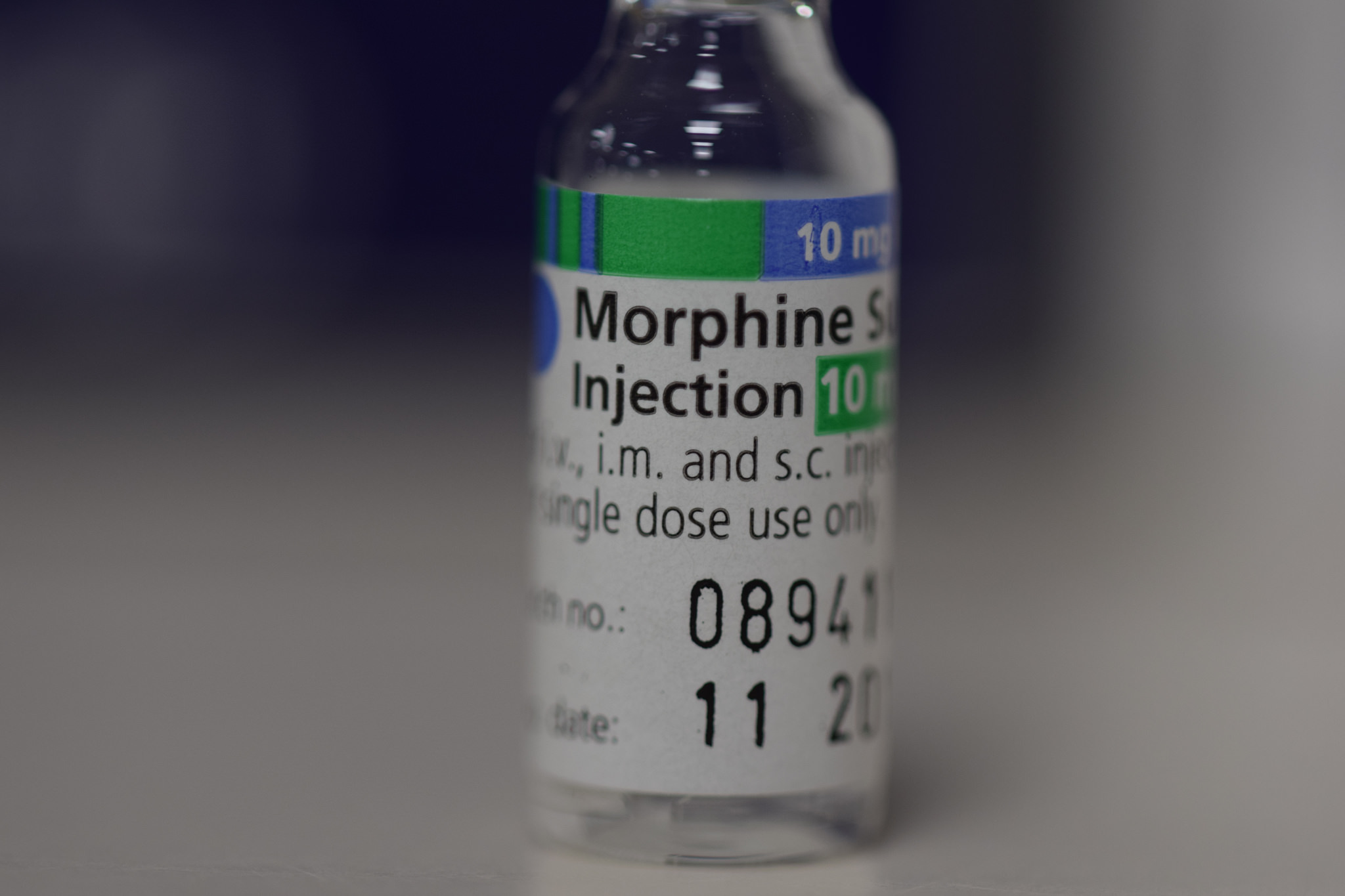
Children are dying in pain because our palliative care is so poor, damning report finds. Photo: Flickr user John Campbell (public domain)
A child lies dying of cancer in a hospital in Ingwavuma, a remote part of KwaZulu-Natal. Social worker Taryn Bell tries to organise morphine. Without success. The baby dies screaming in pain.
A World Health Organisation (WHO) audit of cancer services in South Africa’s public health system in May found that South Africa is failing to provide adequate palliative care. The audit, known as an imPACT Review, is yet-to-be-published.
Children are the most neglected population when it comes to palliative care. More than 800,000 children each year in South Africa have life limiting illnesses, according to research carried out by UNICEF and the International Children’s Palliative Care Network. Yet there are only five children’s hospices in the country.
Bell and her husband, a doctor, run two of them: Butterfly Palliative Home at Ingwavuma in KwaZulu-Natal, on the border with Eswatini, and Empangeni.
Bell remembers the one-month-old baby with congenital heart disease.
Low dose morphine had been prescribed by a paediatrician, with the agreement of the child’s mother. The medicine was out of stock in the local hospital, and Bell had to make a plan to get oral morphine from Empangeni, 300 kilometres away. But the hospital ward sister did not want to administer the drug; and the medical manager agreed with her.
“They called the doctor, but only to say they are not going to give morphine. The mother then left because she couldn’t bear to see her baby suffering. The doctor left because he had fought and lost. A baby died screaming because people didn’t feel comfortable giving morphine,” says Bell.
“There’s this entrenched belief in the health system that small children can’t handle morphine.”
The Department of Health employs only one specialist in paediatric palliative care - and only for ten hours a week. She is Dr Julia Ambler, the deputy director and co-founder of Umduduzi Children’s Hospice in Durban.
Ambler believes that doctors are afraid to administer morphine.
“I teach at a medical school, and I’m seeing a change in attitude and a deeper understanding of the drug. But doctors will still phone me and ask, ‘What is the maximum dose of morphine’, and I have to say, ‘There isn’t one’. We titrate it upwards according to how much pain the patient is in. If you do that slowly and carefully, it’s a very safe drug, but a lot of doctors and nurses are still terrified they’re going to stop the child from breathing, which is really not the case,” says Ambler.
Access to the drug is also a problem.
“We have liquid morphine in the country, but it has to filter to the rural peripheries and often it doesn’t,” says Bell. As for medicine for nerve pain, drugs like Pregabalin [marketed as Lyrica] and Gabapentin are on the essential medicines list, but the KwaZulu-Natal health department does not provide them because of cost.
“So, when a tumour or any other disease causes nerve pain, there’s very limited options to manage those kids’ pain. We have to buy them privately, and don’t receive a cent from the state,” says Bell.
Meanwhile, other things which could help a dying child are not being done, says Ambler.
“There’s lots you can do for pain that doesn’t involve drugs. End-of-life care is one thing, but until a child reaches that stage there’s a lot of life to be lived, and there are things you can do that help, including massage, hot and cold therapy, distraction strategies, and so on,” says Ambler. But except in a handful of city hospitals, these are not available.
In higher income companies, she says, physiotherapists, occupational therapists and social workers work together to help the children. “But for us it’s really just the doctor, and the doctor is only good at one thing, quite frankly, if they are even good at that, and that’s prescribing,” says Ambler.
“Children’s pain is a blind spot generally.”
“It’s much worse when it comes to children with neurodiversity. For example, an autistic kid might be very structured in their routine and need very specific things to feel safe, but they go into a hospital and get pinned down, and don’t understand what’s happening. There’s screaming, the parents are tormented, and I think real trauma is inflicted. It doesn’t have to be this way, but the strategies that help take time and planning, and there’s often an unwillingness to take those steps,” she says.
Joan Marsten, a professional nurse and midwife based in Bloemfontein, who has worked in hospice and palliative care since 1989, says poverty prevents people getting the health services they need.
“What often happens is a child is seen at a hospital and discharged with a good management plan, but they return to their community and find it is not possible to access strong medications like morphine in their nearest clinic. And even if their clinic has a doctor to prescribe morphine, they usually have to travel to a district hospital to get it, which causes a lot of grief for families that are trying to keep on top of their child’s pain, because they simply don’t have the resources,” she says.
A senior government hospital administrator in North West, speaking on condition of anonymity, told GroundUp that many cancer patients, adults and children, must travel hundreds of kilometres to receive oncology services.
Families have to wait as outpatients outside big hospitals like Klerksdorp or Chris Hani Baragwanath, depending on local vendors for food. “So, it’s your magwinya [dumplings], your achar, peanuts, sweets, unlabelled chips and colourful drinks. The experience is so unpleasant, many don’t come back. Instead, they take the child to the traditional healer, and only return when the child is bedridden, or being pushed, and now they are out of treatment options.”
“So they return to the rural areas, and there are simply no palliative care options for them there,” he says. Step-down facilities that once provided some palliative care, set up during the peak HIV period and mostly funded by USAID, have closed.
Bell says many of the patients they see have been treated by traditional healers before coming to the hospital.
“You will often find the word ‘Zulumeds’ in the patient’s file, and usually it means that traditional medications have been mixed with prescription meds.” This isn’t always a problem, she says, but it can be. “We’ve seen Powerade mixed with snake venom, and ARVs [antiretrovirals] ground up. We find kids in acute organ failure, very ill from some of these medicines.”
GroundUp asked the Department of Health about its plans for addressing issues identified in the imPACT Review but was told that “it would be premature for the Department to comment on or interpret any findings” until the report had been presented to the minister.
PatchSA, a national hub focused on children’s palliative care, and PALPRAC, a network of palliative medicine practitioners and organisations, both advocate for better palliative care.
Dr Margie Venter, PALPRAC’s lead clinician, says a group of palliative care doctors has been working with the Department of Health to try to normalise the supply of morphine, which has been erratic for some time.
In a 29 June response to a Parliamentary question about stockouts of essential medicines in 2025/2026, including morphine, Minister of Health Aaron Motsoaledi attributed the problem to the closure of a company that had a supplied injectable morphine in May 2025 (Pharma-Q), and the suspension by the South African Health Products Regulatory Authority (SAHPRA) of another supplier (Barrs Pharmaceuticals).
“There is a manufacturer of morphine in South Africa but they don’t produce packages of morphine in a size that pharmacies can handle. So we are looking for two or three companies who can do that, but they need to be approved by SAHPRA. There’s a small committee looking at this,” Venter says.
When it comes to palliative care education, the University of Cape Town is leading the way with its post-graduate diploma in paediatric palliative medicine.
PatchSA, through its Patch Academy, offers an online education programme.
“We are starting to see the difference this is making,” says Bell.
If nurses could prescribe substances like morphine, this would make a difference, she says. “It’s one of the policy issues that we’ve raised many times without making headway.”
Marston says South Africa could learn from other African countries, notably Uganda and Malawi.
“Uganda is number one on the continent for morphine access and use,” she says. One of the reasons is that they have nurse prescribers, adding that Malawi also does very well on morphine access despite being one of the continent’s poorest countries.
“That’s because there is government buy-in,” she says. “That’s the key.”