9 March 2026
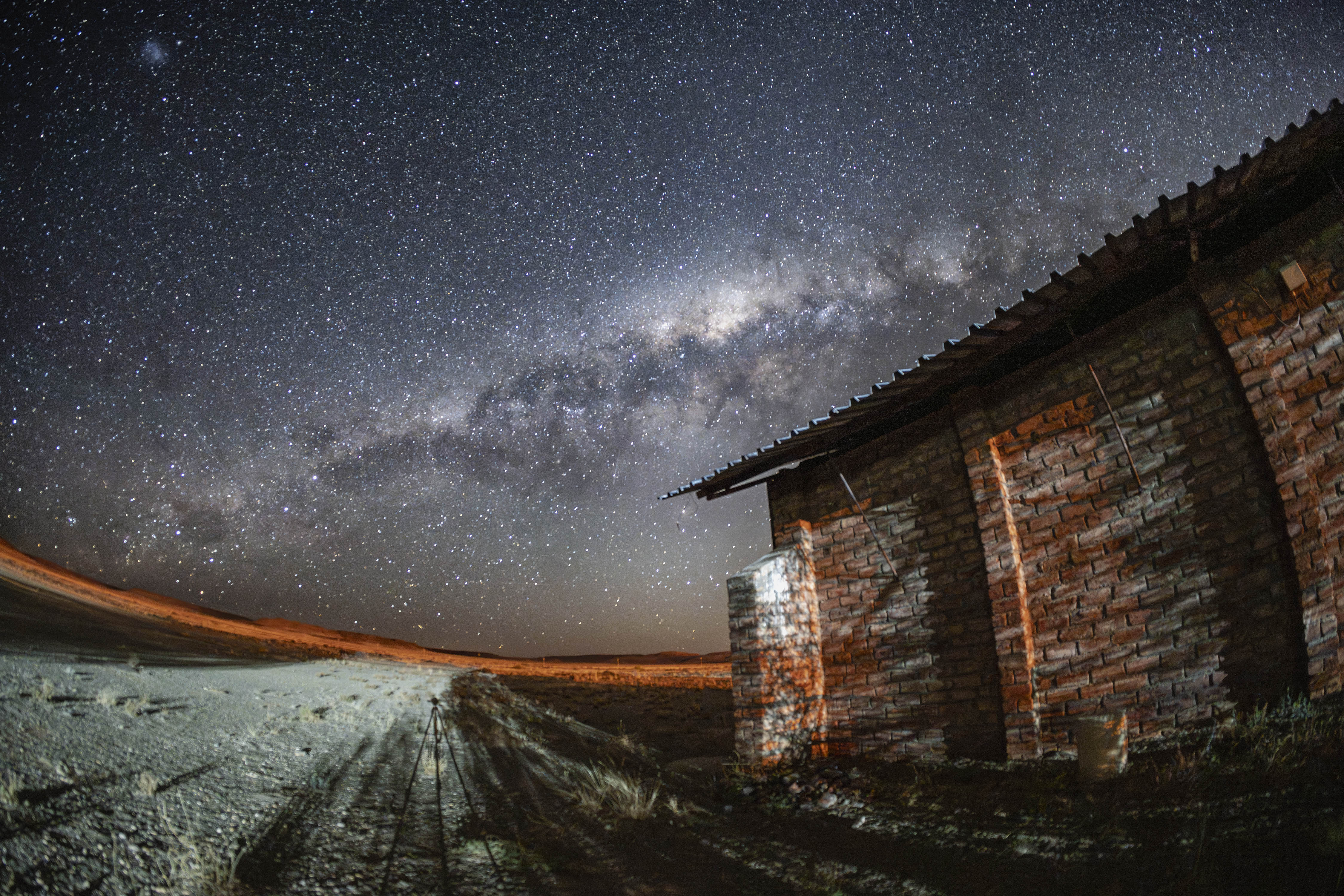
The night sky above Carnarvon awash with stars, with the Milky Way clearly visible to the naked eye.
The small Karoo town of Carnarvon is a haven for stargazers. Located in a sparsely populated corner of the Northern Cape with minimal light pollution, it is perfectly located for viewing pristine night skies.
Locals are hoping that astrotourism will create sustainable jobs in an area struggling with high unemployment.
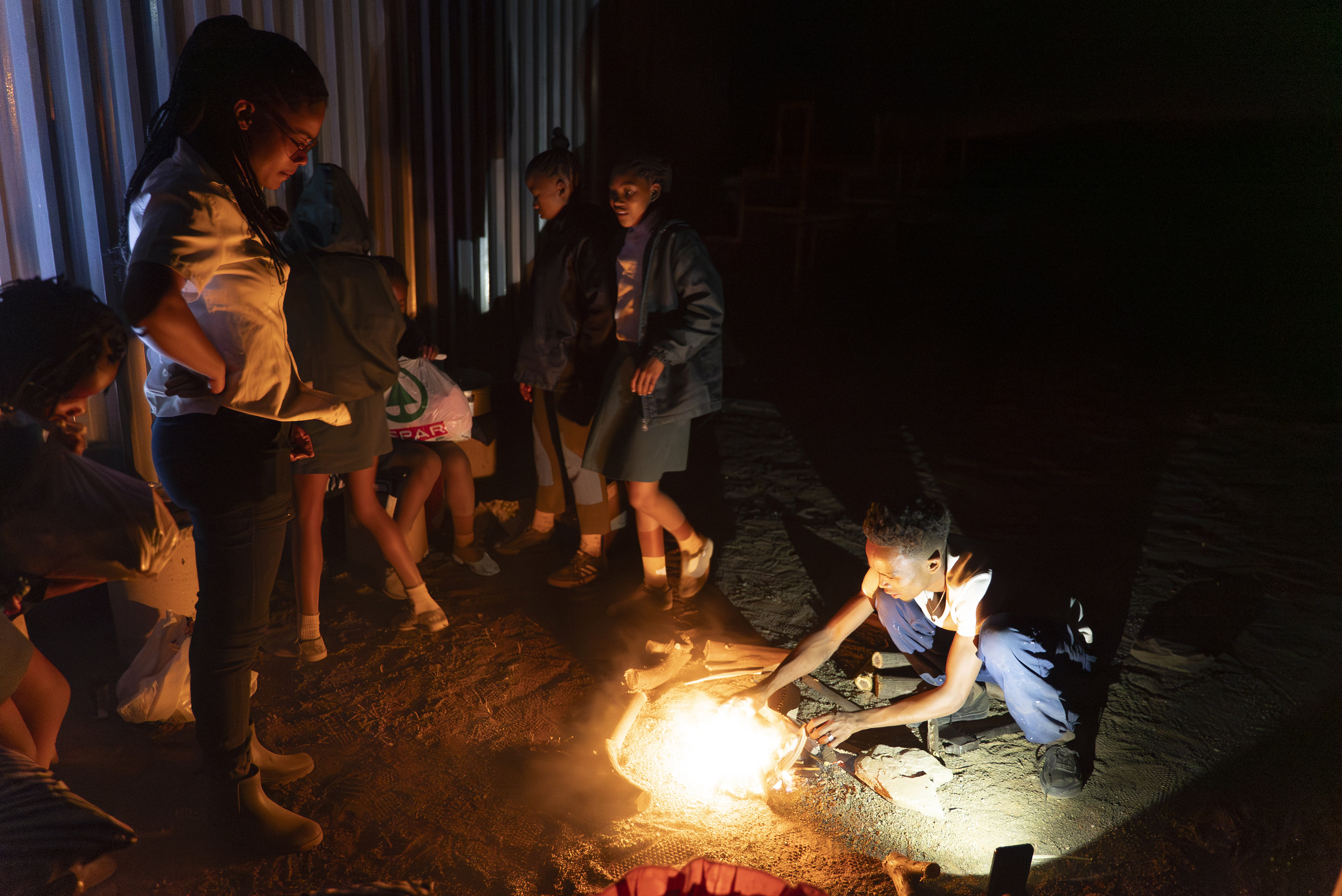
Astro guide Amy-Lee Visagie hosts a star gazing evening with students from a local primary school, teaching youngsters about the cosmos in combination with indigenous mythology.
A unique selling point for Carnarvon’s stargazing experience is how guides combine modern astronomy with indigenous knowledge and storytelling from the San.
Information about the rings around Saturn and the size of Jupiter, for instance, is relayed along with mythology and the story of how the Milky Way was created by a young girl who threw ashes up into the night sky.
Amy-Lee Visagie, one of six residents trained as professional astro guides by the South African Radio Astronomy Observatory (SARAO), encourages her tour group to sit in silence for a minute and just gaze at the night sky to fully take in the awesomeness of the universe.
The Milky Way is clearly visible with thousands of stars, and yet it is a mere fraction of the 100-billion odd stars in our galaxy.
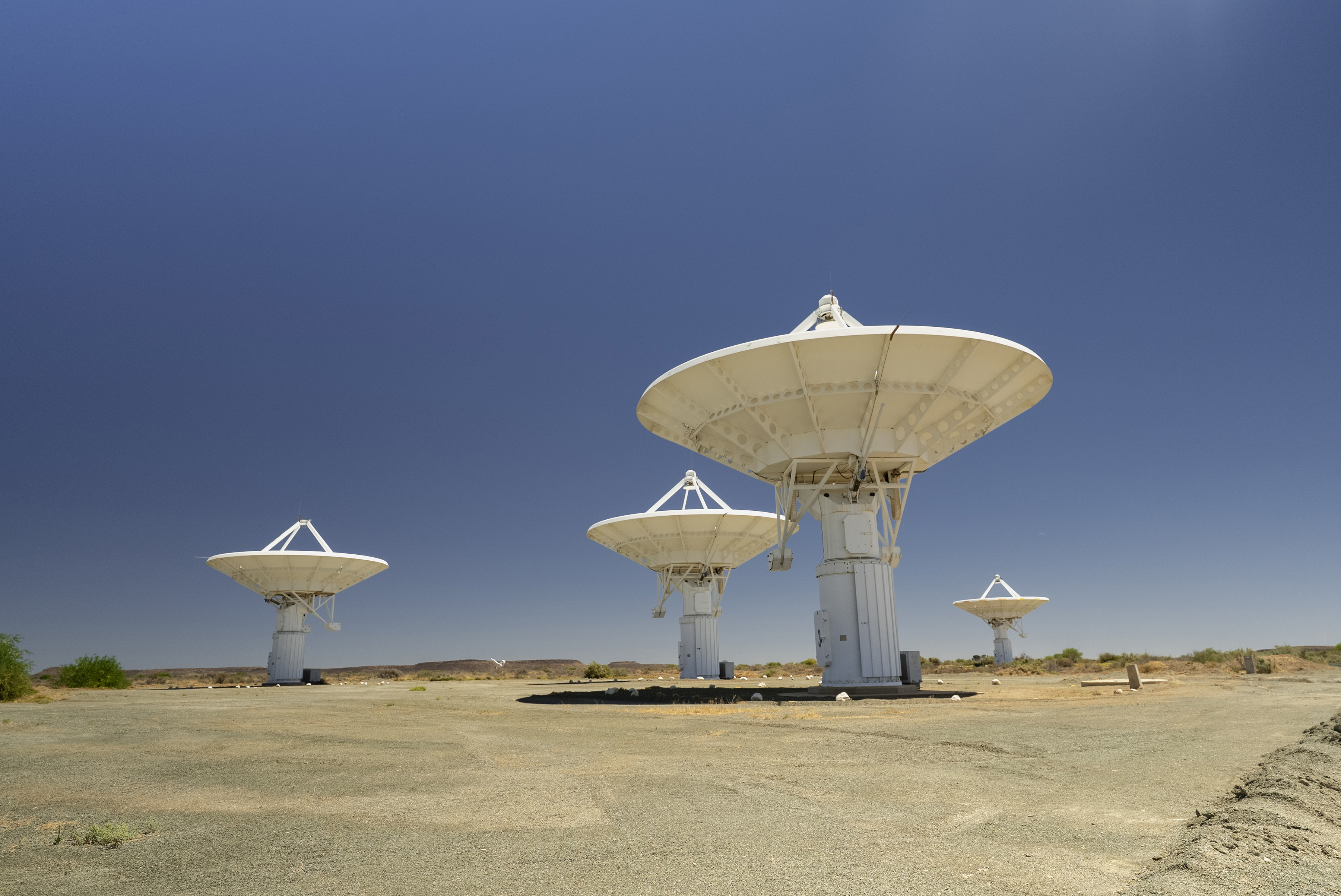
The KAT-7 radio telescope were some of the first dishes built on the site to test the viability for the larger SKA project.
Just over an hour’s drive from Carnarvon is the Meerkat National Park, which serves as the host area for the Square Kilometre Array (SKA), one of the world’s largest radio telescope installations.
Construction is ongoing, with some of the telescopes coming online early this year. When completed, the telescope will comprise 197 dishes, including the integration of the existing MeerKAT radio telescope built and operated by SARAO.
The project will enable astronomers to monitor the sky in unprecedented detail and survey the entire sky thousands of times faster than any system currently in existence, unlocking more stories and mysteries of the universe.
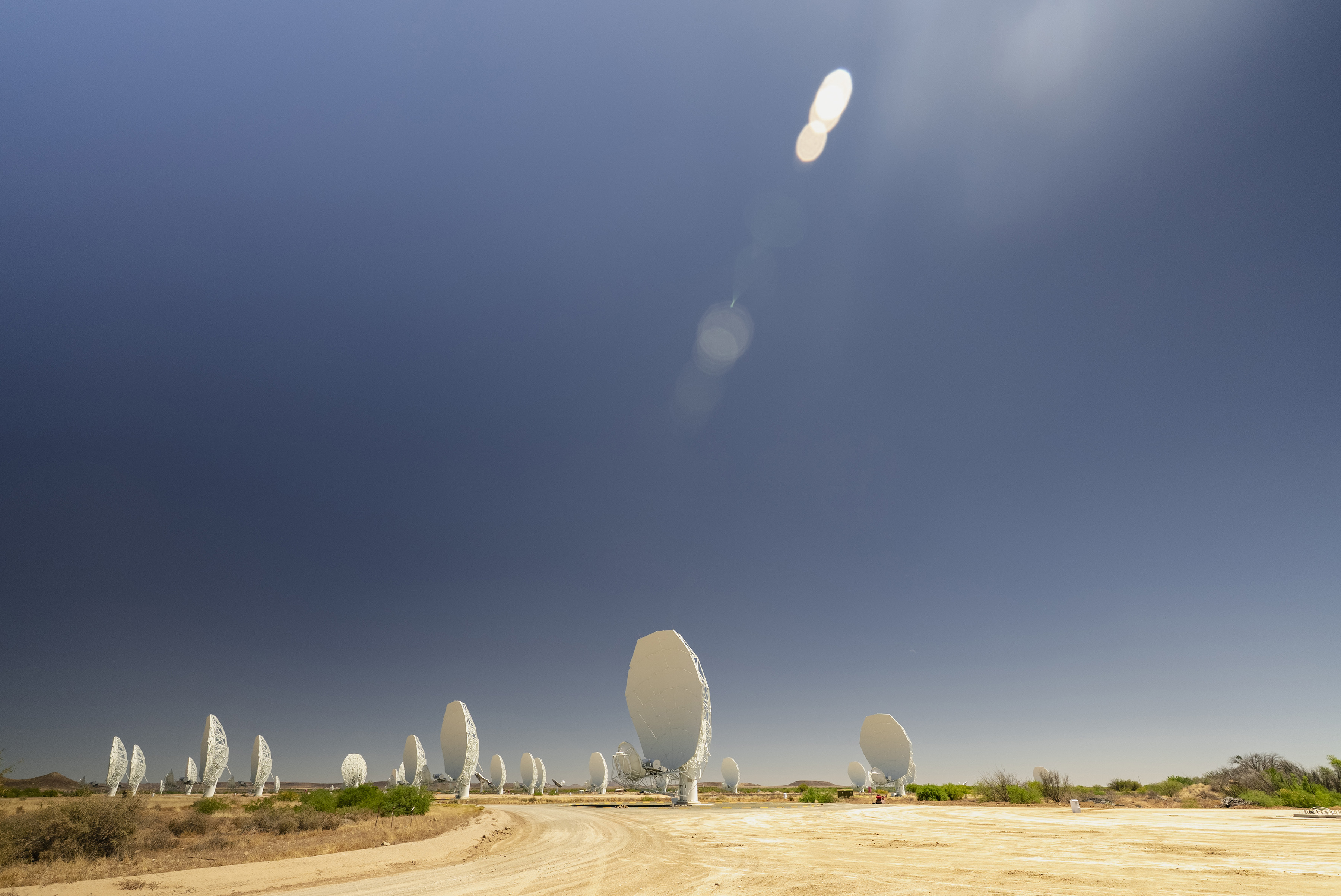
When complete, the telescope will comprise 197 dishes, including the integration of the existing MeerKAT radio telescope built and operated by the South African Radio Astronomy Observatory
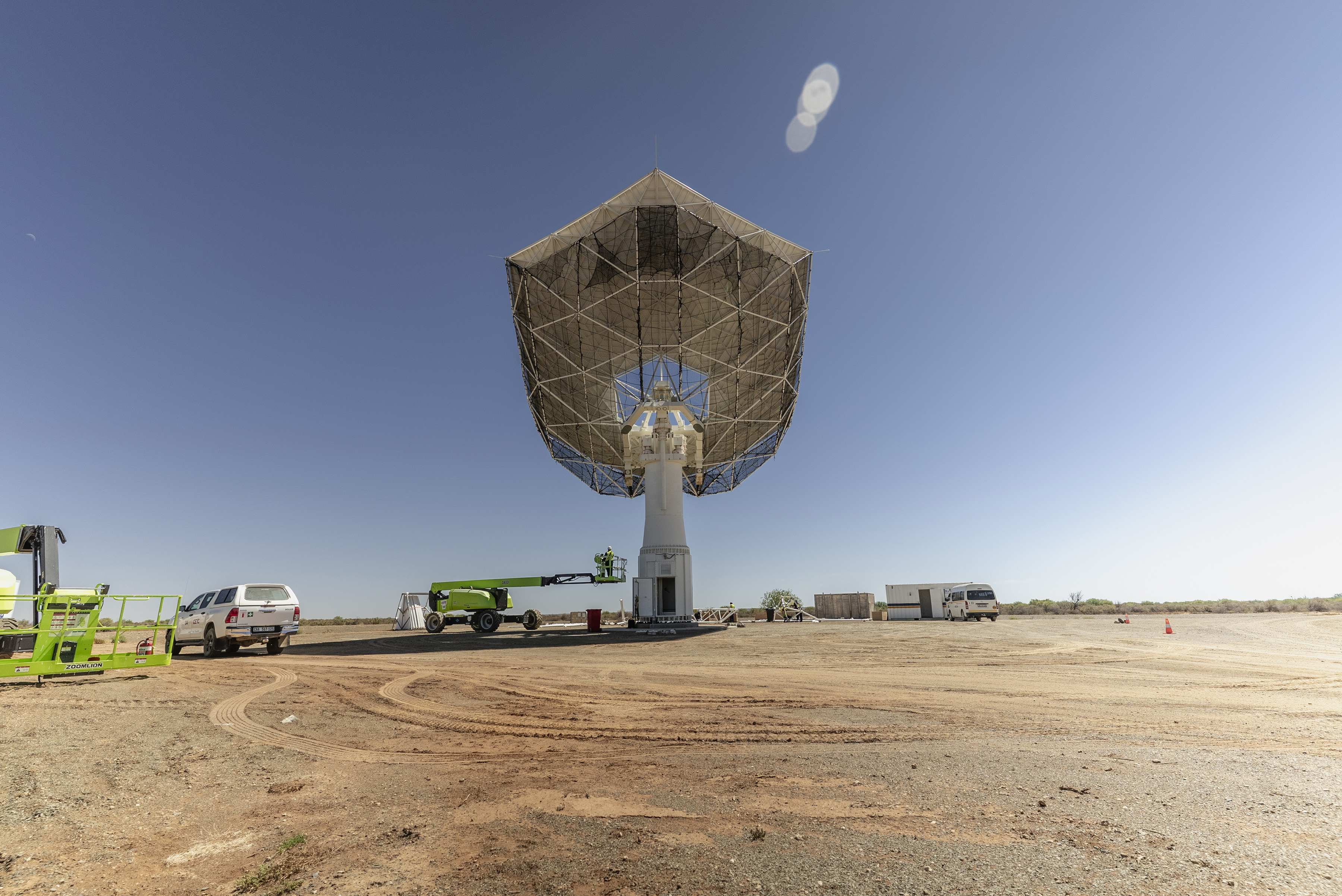
Construction of an SKA-Mid dish, which will form part of the SKA Observatory project, as seen inside the Meerkat National Park in the Northern Cape.
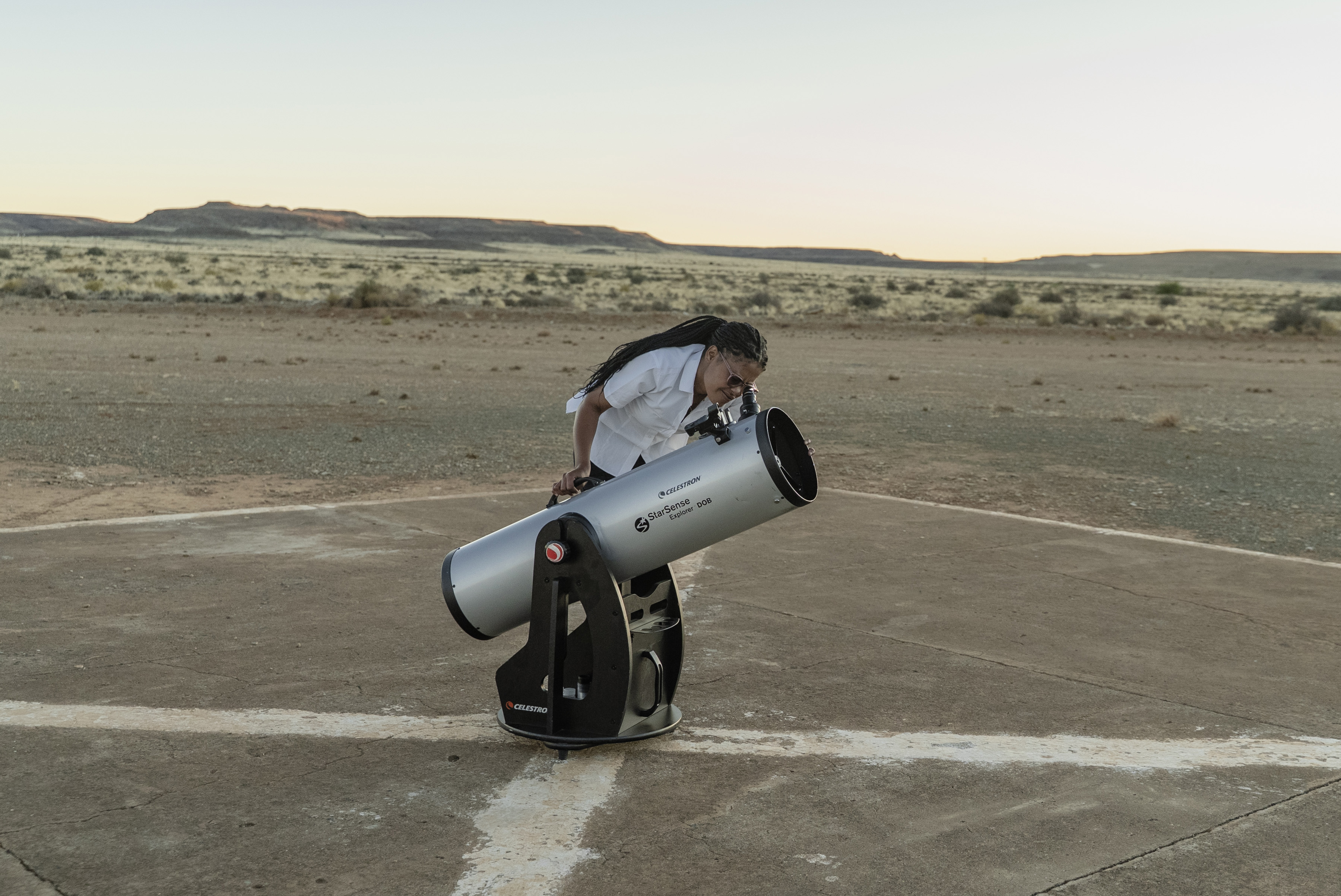
Local astro guide Amy-Lee Visagie peers through a telescope during the early evening.
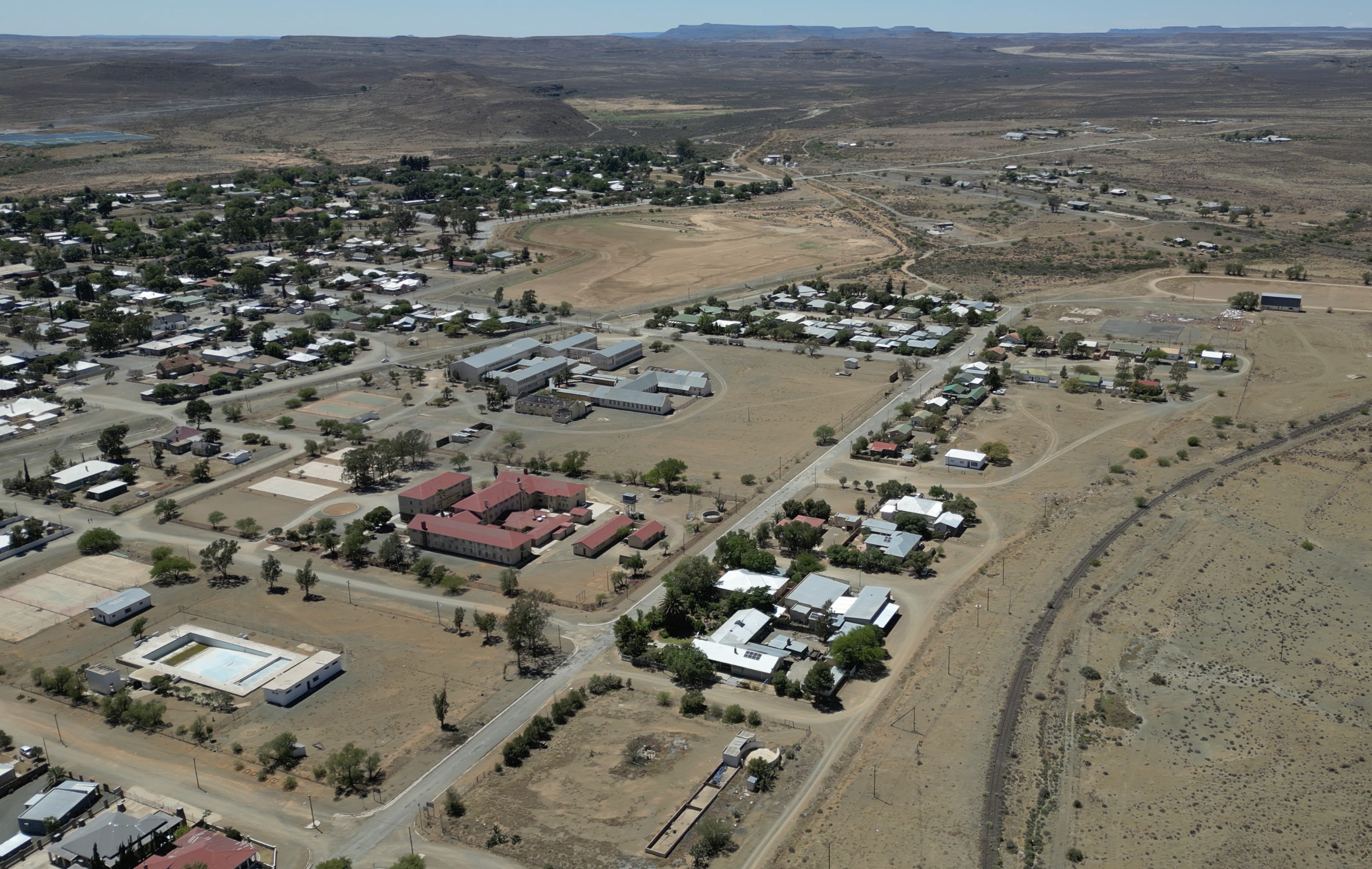
A view of the town of Carnarvon in the Northern Cape.
