2 February 2026
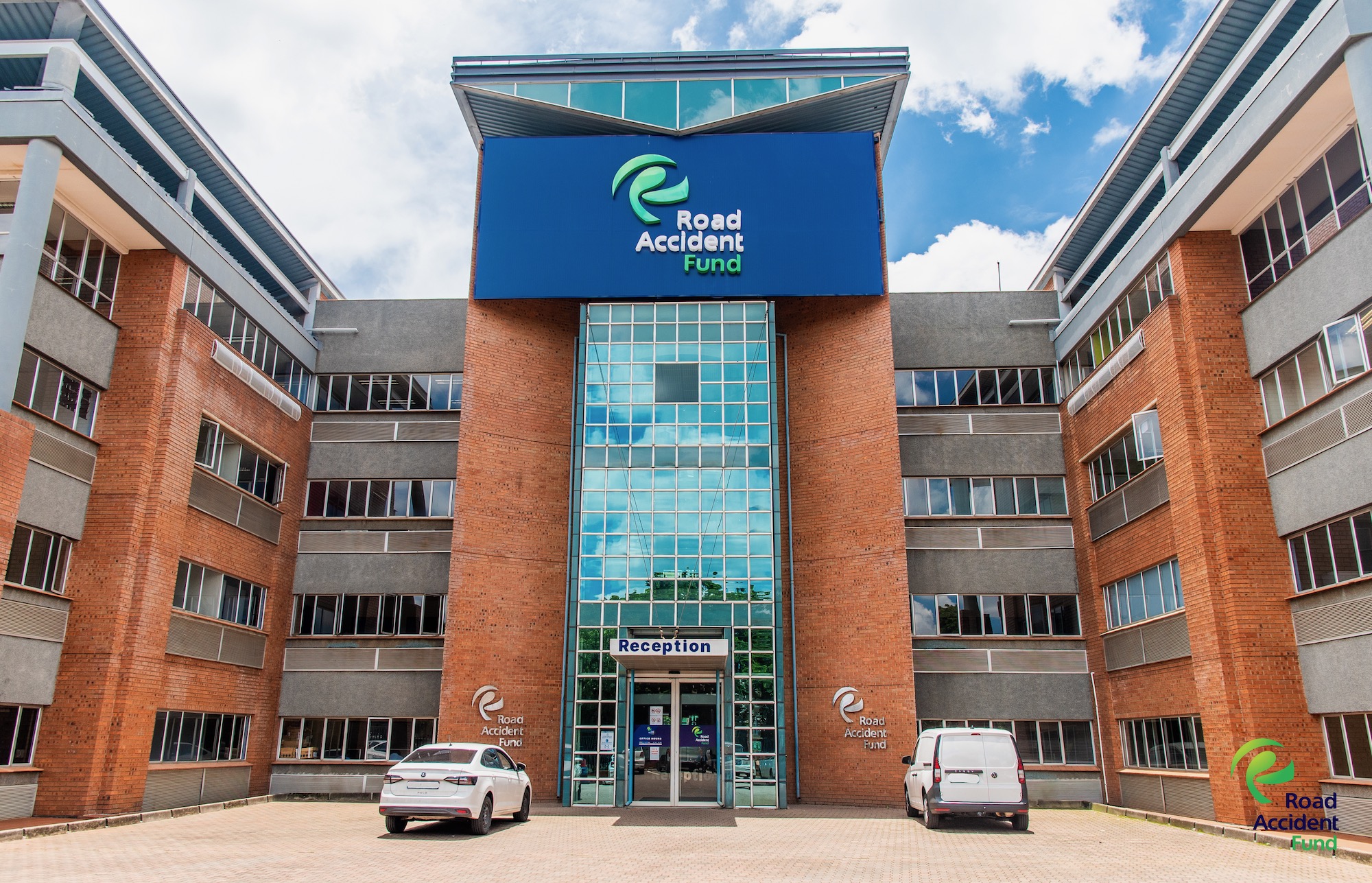
The Organisation Undoing Tax Abuse says poor leadership, weak governance and faulty administrative processes are responsible for the dire state of the Road Accident Fund. Photo supplied by the RAF
The anti-corruption watchdog, Organisation Undoing Tax Abuse (OUTA), says poor leadership, weak governance and faulty administrative processes are responsible for the dire state of the Road Accident Fund (RAF).
“It had runaway costs and a lack of controls. I attribute this situation to the Department of Transport,” OUTA chief executive Wayne Duvenage told GroundUp.
The RAF is a state agency that compensates people for losses resulting from vehicle accidents. It receives most of its income from the RAF levy on fuel.
The fund is currently under scrutiny as Parliament’s Standing Committee on Public Accounts (SCOPA) conducts an inquiry into maladministration, financial impropriety, and the misuse of public funds.
GroundUp has often reported on chaos at the fund. The agency has faced long claim turnaround times, high litigation volumes and administrative costs. Its debts exceed its liabilities. Its backlog of outstanding claims stood at over 440,000 at the end of March 2025.
Duvenage’s comments follow the National Treasury warning of a worsening RAF debt position, describing the agency as a “significant fiscal risk”.
In its 2024 Medium Term Budget Policy Statement, the Treasury forecast that the RAF’s provisions (which is mostly made up of the amount for which the fund is expected to be liable through road accident claims) will rise from R353-billion in 2023/24 to R423-billion in 2027/28.
Duvenage said that since 2009, successive transport ministers had failed to provide adequate oversight.
“This is a classic example of how politics interferes with good administration,” he said.
He said ministers had appointed people to senior RAF positions who were “not fit for purpose”, citing former RAF chief executive Collins Letsoalo.
“We’ve seen nothing that shows an individual [Lestsoalo] who has an understanding of this industry, the legal complexities, systems and processes,” said Duvenage.
He said Letsoalo joined the RAF after what he described as his questionable leadership and management at the Passenger Rail Agency of South Africa (PRASA).
National Department of Transport spokesperson Collen Msibi rejected OUTA’s characterisation of RAF appointments.
Msibi said the department had exercised oversight of the RAF under the Public Finance Management Act and other legislation.
He said transport ministers had complied with regulations and processes to ensure proper oversight, including quarterly meetings, assessments, annual board evaluations and annual general meetings to hold boards accountable for performance and governance.
Msibi said the RAF’s governance and operational challenges were being addressed, and that the department was developing an accountability framework.
Duvenage said the RAF levy was sufficient to fund the agency, but the waste of resources had to stop.
According to the 2025 budget speech, Treasury was to allocate about R50-billion to the RAF during the 2025/26 fiscal year.
Duvenhage said the RAF levy has increased well above inflation over the past 18 years, from 41.5 cents per litre in 2008 to R2.18 today – an average annualised increase of 9.7%.
Duvenage said the last increase was in 2022. Minister of Finance Enoch Godongwana froze further increases, because of its impact on fuel prices and the economy.
Duvenage said the legal industry profited from RAF claims, while government failed to protect the fund from excessive litigation.
He said the RAF needed to implement systems and processes to prevent abuse.
“If they had got on top of this problem, which started many years ago, they could have put in place regulations to control it,” he said.
He said the government needed an experienced expert team to identify problems and develop priority plans for the RAF.
“The RAF operates in an environment which has similar challenges to the insurance industry, which has to mitigate the risks and ensure that they’ve got good systems in place to tackle fraudulent claims,” he said.
Msibi said the RAF Act was being reviewed to protect the fund against abuse, and the RAF had introduced fraud detection systems.
He said the Special Investigating Unit was conducting investigations to recover funds from lawyers who had unlawfully benefited from the RAF.
He said the new RAF board was appointing experienced professionals to stabilise the entity.